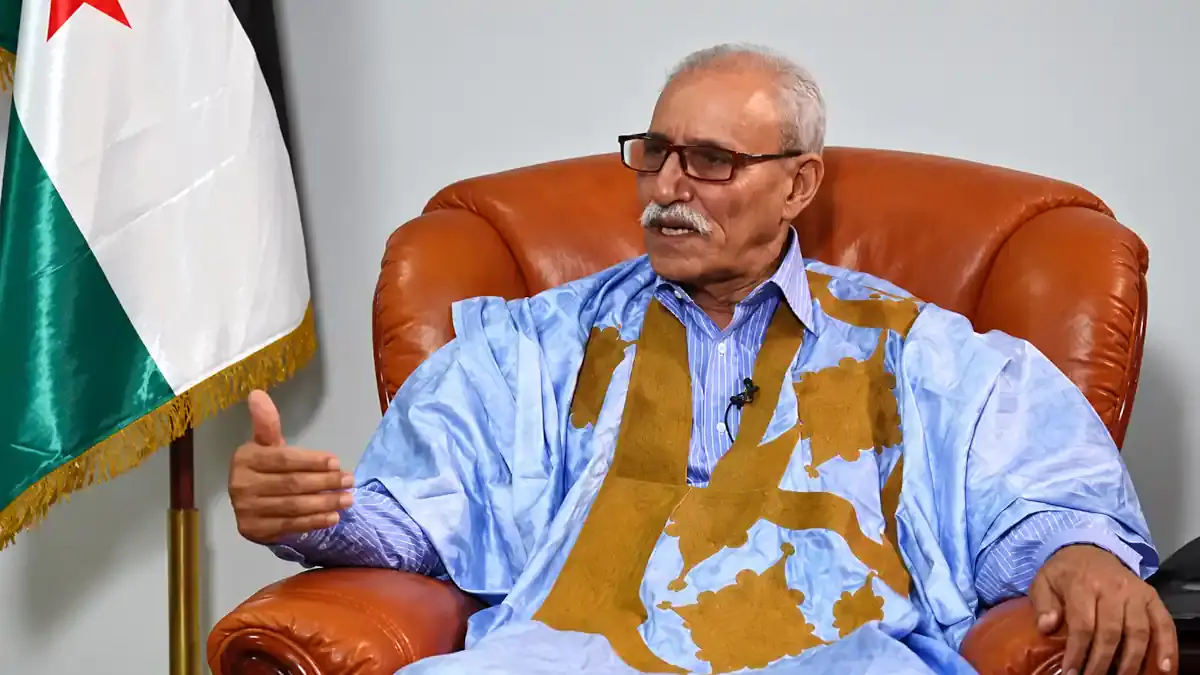
The Polisario Front, a Western Sahara independence movement, has declared a state of mobilization in the region. This decision was made during an emergency meeting led by its Secretary General, Brahim Ghali, on November 10, 2026. The movement cites an escalation in Moroccan military presence along the sand wall that divides the territory as the reason for this declaration. They accuse Morocco of deploying troops, arms, and military equipment.
The Polisario Front's declaration comes amid heightened tensions with Morocco, a situation that has been ongoing for decades. The movement, which is based in Tindouf, Algeria, has called on all Sahrawis to prepare for potential conflict. These accusations of Moroccan military buildup have not been independently confirmed, and Rabat has not publicly responded to the claims. This development has raised concerns about a broader confrontation with Algeria, as the two countries have opposing views on the Western Sahara issue.
This decision by the Polisario Front was made just ten days after the expiration of the United Nations Mission for the Referendum in Western Sahara's (MINURSO) mandate. The mission, which had been present in the territory since 1991, ended without a new resolution being passed by the UN Security Council. Despite this, the Moroccan Royal Palace stated on November 4 that the kingdom would continue to respect the ceasefire even without the UN peacekeepers.
The United States and France have expressed their support for Morocco's autonomy plan for Western Sahara. On the day of the Polisario Front's announcement, Washington urged the movement to respect the truce at the UN. However, the Polisario Front rejects the autonomy plan and instead calls for a referendum on self-determination. The movement claims that Morocco controls about three-quarters of Western Sahara, while they hold the rest of the territory east of the sand wall.
The ceasefire in Western Sahara has been fragile since November 2020, when the Polisario Front declared its end due to an incident at the El Guerguerat post. This led to a period of low-intensity clashes. Since then, the Polisario Front has regularly claimed to have carried out attacks against Moroccan positions, although Rabat has downplayed these incidents. Algeria hosts Sahrawi refugee camps in Tindouf and provides political support to the Polisario Front.
The relations between Algeria and Morocco are strained, with the two countries having broken diplomatic ties and closed their land border since the 1990s. Morocco accuses Algeria of providing military and financial support to the Polisario Front, which Algeria denies. Every announcement from the Polisario Front is closely watched in both capitals, given the longstanding tensions between them.
The situation in Western Sahara remains volatile, with the Polisario Front's declaration of a state of mobilization potentially leading to further escalation. The international community, including the US and France, has been urged to play a role in maintaining peace in the region. The Polisario Front's call for readiness among Sahrawis and its accusations against Morocco have raised concerns about the potential for renewed conflict in Western Sahara.
Key points
- The Polisario Front declares a state of mobilization amid escalating tensions with Morocco.
- The situation in Western Sahara has been volatile since the fragile ceasefire broke down in 2020.
- Algeria and Morocco have strained relations, with each side accusing the other of interference in the Western Sahara conflict.