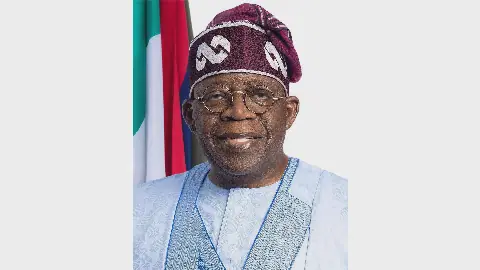
A dramatic confrontation unfolded at the Djibouti Football Federation (FDF) headquarters on Monday as police intervened in an attempt to remove Souleiman Waberi as president. According to the FDF, police initially occupied the national technical centre on Sunday at 5:30 pm without presenting an administrative document or court order. On Monday, a larger police contingent ordered Waberi, executive committee members, staff, and other federation members to vacate the premises.
The FDF reported that 16 club presidents entered the building under police escort and proceeded to hold an extraordinary general assembly (EGM). However, the federation rejected the meeting as illegitimate, citing failure to adhere to statutory notice periods and procedures. As a result, the FDF declared any decisions taken during the meeting "null and void". This development has escalated a dispute that has been brewing for weeks, with opposition to Waberi's leadership growing among club presidents.
Sources in Djibouti claim that the required number of delegates was present at the EGM, and they unanimously voted to remove Waberi and the executive committee. An interim committee was established to oversee the federation until further notice. Waberi is not only the president of the FDF but also a member of the Confederation of African Football (CAF) executive committee and FIFA's council. His removal has significant implications for the football landscape in Djibouti and beyond.
The dispute over Waberi's leadership gained momentum in early September when a coalition of 27 clubs announced its intention to vote on the removal of the executive committee. The coalition claimed to have secured the necessary two-thirds support under the federation's statutes. However, the FDF disputed this calculation, arguing that 45 club presidents, not 27, were required to trigger an extraordinary assembly. The disagreement led to additional clubs and delegates joining the campaign against the executive committee.
The government of Djibouti intervened in the dispute, with Secretary of State for Sport Fatouma Ali Abdallah ordering the FDF to convene an extraordinary general assembly within 72 hours. The FDF has since appealed to FIFA and CAF, arguing that the use of state security forces to remove elected officials could constitute interference in the affairs of a national football association. This appeal highlights the potential for a broader conflict between the FDF, the government, and international football governing bodies.
The intervention by the government and the police has raised concerns about the autonomy of the FDF and the potential for external influence in the affairs of the national football association. The situation remains fluid, with the FDF and its president, Souleiman Waberi, maintaining that the attempts to remove him are illegitimate. Meanwhile, the club presidents and the government appear determined to push for change in the leadership of the federation.
The outcome of this dispute will likely have significant implications for the future of football in Djibouti. The involvement of FIFA and CAF may help to resolve the situation, but it also underscores the complexities and challenges of governing national football associations. As the situation continues to unfold, stakeholders will be watching closely to see how the conflict is resolved and what impact it has on the sport in Djibouti.
Key points
- The Djibouti Football Federation has appealed to FIFA and CAF over the government's intervention in its affairs.
- Club presidents claim to have unanimously voted to remove Souleiman Waberi as president of the FDF.
- The dispute has significant implications for the leadership and governance of football in Djibouti.