The Western Cape is still recovering from two severe storms that hit the province in May, causing widespread flooding, electricity outages, and claiming lives. The flooding had a significant impact on poor and underserved communities, including Langa, South Africa's oldest formal township, located near Cape Town. A community organization, Abahlobo Ekuhlaleni, reported that blocked stormwater drains, primarily caused by plastic pollution, exacerbated the flooding in Langa.
Residents in Langa rely heavily on plastic due to its affordability and accessibility. Single-use plastic bags, wrappers, bottles, and containers are often cheaper than alternatives, making them a practical choice for households under financial pressure. However, this economic accessibility comes with environmental costs. Plastic pollution in Langa is not solely the result of individual behavior, but also of inadequate waste-management infrastructure and service-delivery challenges.
Abahlobo Ekuhlaleni's clean-up and drain-maintenance work had already begun before the heavy rainfall hit. In areas where drains had been consistently cleared, there was relatively little flooding. However, the floodwaters brought another problem, carrying plastic and other discarded material from elsewhere into parts of the community. The organization attributes the reduced amount of plastic pollution after the storms to their prior clean-up efforts.
The clean-up operation, supported by the WCEDP and the Department of Water and Sanitation, went beyond collecting visible litter from streets. Teams cleared stormwater drains, removing plastic waste that had accumulated and threatened to restrict the flow of rainwater. The intervention created temporary employment for 30 local team members and included door-to-door education for over 200 residents, focusing on sanitation, hygiene, waste management, and the importance of keeping plastic out of the drainage system.
The contents of the drains revealed the extent of the problem, with common items removed including plastic carrier bags and packets, disposable nappies, plastic bottles, straws, snack wrappers, and takeaway food containers. These everyday items can remain in the environment for far longer than their usage duration. The clean-up aimed to interrupt the journey of plastic from household consumption to informal dumping and ultimately into floodwaters.
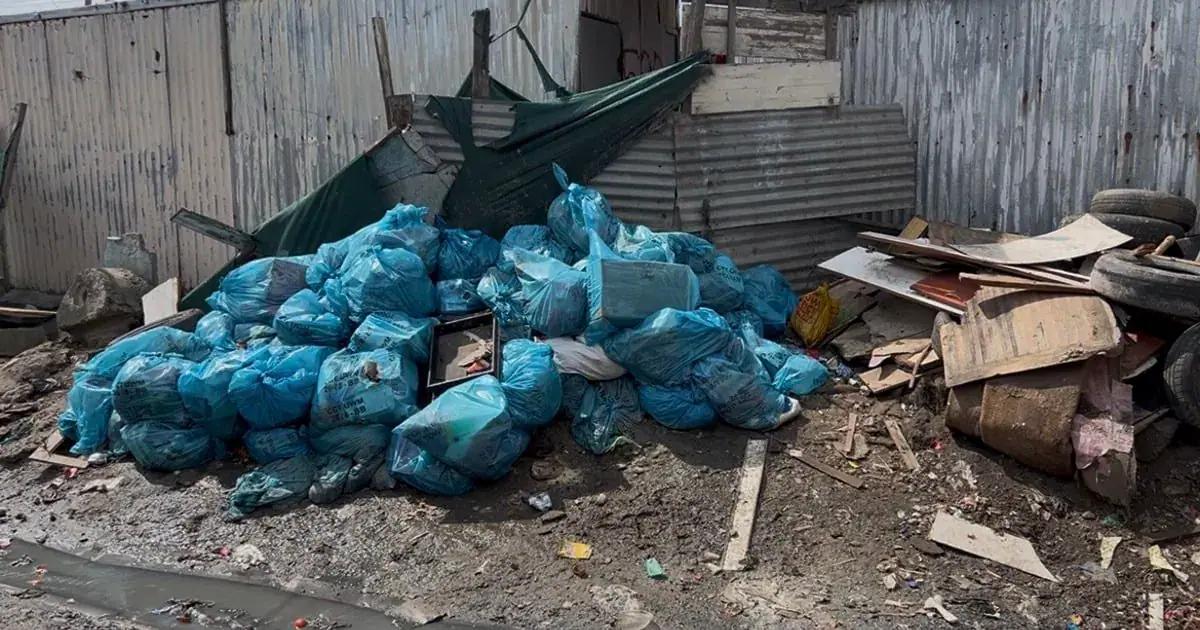
A visit to Langa revealed the scale of informal dumping, with plastic waste evident everywhere. Single-use packets and wrappers, alongside longer-lasting plastic bottles and containers, had found their way into waterways, drainage channels, and sewer systems. The contrast between green spaces and discarded packaging was striking, highlighting the need for sustainable solutions to address the plastic pollution problem.
Abahlobo Ekuhlaleni's intervention demonstrated that physical clean-ups, community education, and economic opportunities need to work together to address the problem sustainably. However, the organization acknowledges that a short-term project cannot resolve years of accumulated waste, inadequate infrastructure, and deeply entrenched disposal habits. The challenge lies in maintaining the work before the next storm arrives.
Key points
- The floods in Langa highlighted the interconnectedness of plastic pollution, showing that discarded plastic in one place can become someone else's problem downstream.
- Inadequate waste-management infrastructure and service-delivery challenges contribute significantly to plastic pollution in Langa.
- A combination of physical clean-ups, community education, and economic opportunities is necessary to address the plastic pollution problem sustainably.
Reporting sources
- Blocked drains, rising flood risks: The impact of plastic pollution in Langa · Eyewitness News (EWN)