The coffee industry is witnessing a significant shift towards sustainability, with consumers increasingly seeking plastic-free coffee machines and pods. This trend is driven by growing concerns over microplastics and their impact on the environment and human health. According to a 2025 poll conducted by environmental group 5 Gyres, nine in 10 Americans are concerned about the effects of microplastics on the planet and their bodies.
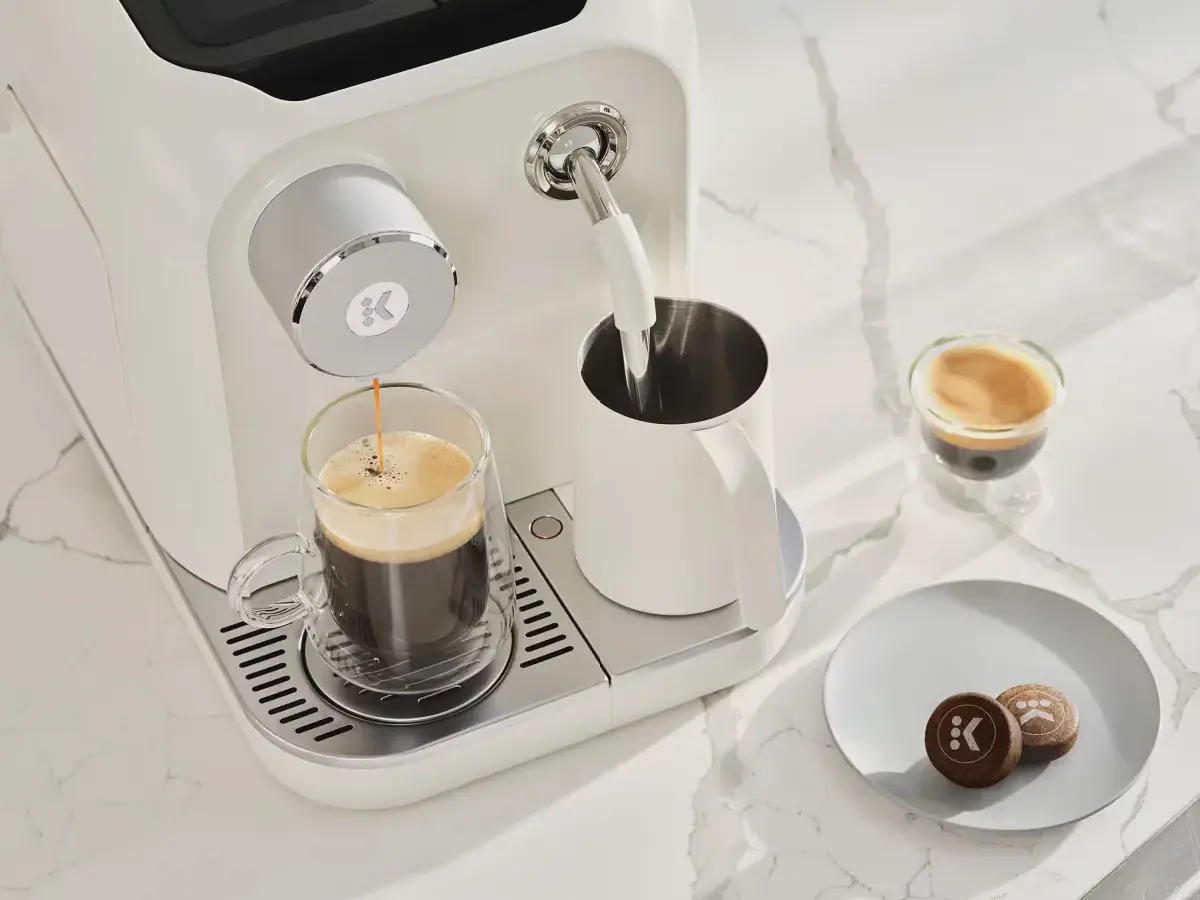
In response to this demand, coffee companies and appliance makers have introduced new machines and redesigned capsules. Keurig and Lavazza have launched compostable coffee pods and machines that use significantly less plastic than traditional products. Caraway, a company known for its plastic-free products, has released a $495 coffee machine made entirely of stainless steel and glass, ensuring that no plastic touches the ground coffee.
Lavazza's new machine, Tablì, uses single-serve espresso tablets made with compressed ground coffee and has been designed to provide a sustainable alternative to traditional pods. The company has invested heavily in the US market, aiming to double its revenue to $1 billion by 2029. Tablì has already seen strong demand, with the initial release selling out quickly.
Keurig's new line of compostable pods, called AltaRounds, has been in development since 2020 and represents a significant reduction in plastic compared to traditional K-Cup pods. However, the new pods and machine are more expensive, with the Alta bundle costing $499. Despite this, Keurig has reported strong interest in the product, with many customers seeking more sustainable options.
Caraway's CEO, Jordan Nathan, believes that the demand for plastic-free products is driven by growing concerns over the impact of plastic on human health and the environment. The company's plastic-free coffee machine has been sold out until January, with many customers seeking alternatives to traditional plastic-based products.
The growth in demand for plastic-free coffee machines and pods reflects a broader trend of consumers trading up on home coffee equipment since the pandemic. According to Peter Giuliano, senior advisor for research at Specialty Coffee Association, this trend combines three key factors: health worries about microplastics, concern about plastic in the environment, and the perception that metal and glass are more luxurious than plastic.
While some critics argue that the new products still use plastic and contribute to the planet's growing plastic pollution crisis, many companies are working to develop more sustainable options. As consumers continue to demand more eco-friendly products, the coffee industry is likely to shift towards more plastic-free alternatives.
Key points
- The coffee industry is shifting towards more sustainable and plastic-free options in response to growing consumer demand.
- New machines and pods from Keurig, Lavazza, and Caraway are using significantly less plastic than traditional products.
- The trend towards plastic-free coffee machines and pods reflects a broader pattern of consumers trading up on home coffee equipment since the pandemic.