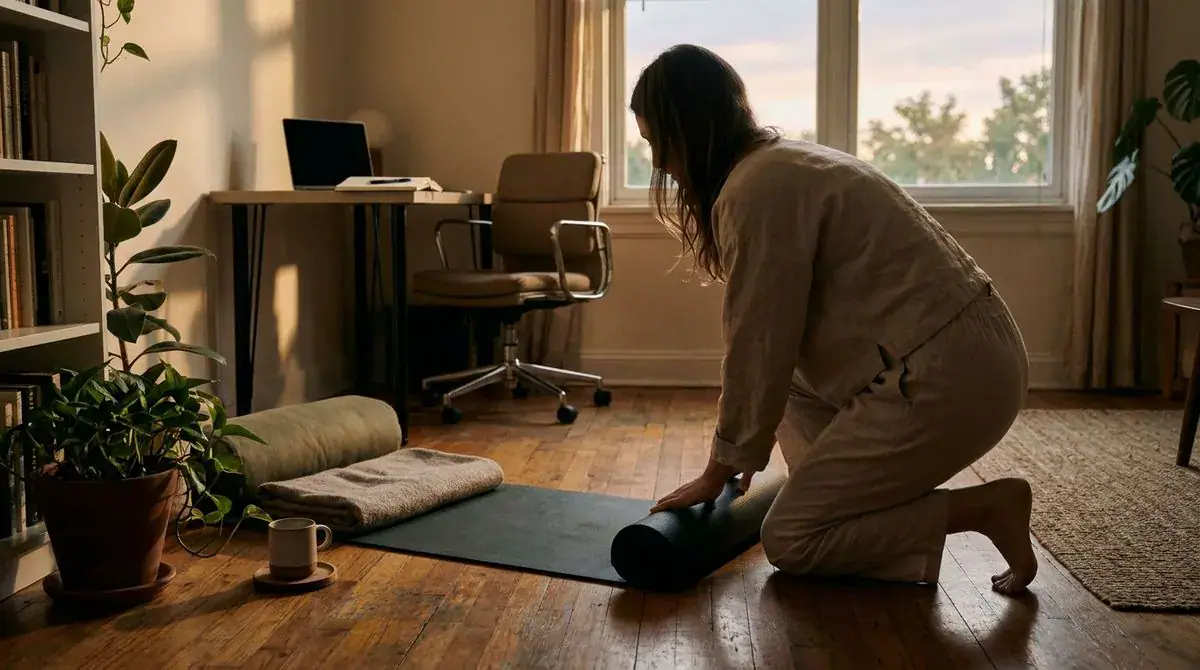
A restorative solo evening can be a simple yet effective way to unwind and recharge. According to a recent editorial in the Business Times, the key to a successful evening is to shape it around a clear purpose. This purpose should be focused on what you can reasonably influence and should take into account the people involved, the space available, and the time of day. By having a clear purpose, you can create an evening that feels chosen and nourishing rather than merely unoccupied.
The first step in planning a restorative evening is to define the desired outcome. This involves noticing what kind of recovery you need, whether it be quiet, movement, creativity, order, entertainment, or connection. By identifying your needs, you can prevent yourself from solving an imagined problem and instead focus on practical limits that deserve respect. It is also important to write down your desired outcome in one plain sentence and keep it focused on what you can reasonably influence.
Once you have defined your desired outcome, it is time to prepare the smallest workable setup. This involves finishing one necessary task, preparing a simple meal or drink, and reducing avoidable interruptions. It is also important to use materials you already own and to place them where the action happens rather than where storage looks neatest. By preparing the space and reducing distractions, you can create an environment that is conducive to relaxation and rejuvenation.
A routine is easier to sustain when the people using it understand both its purpose and their part in it. If another person is involved, it is essential to invite their view before deciding that your preferred method is the shared answer. This can help to prevent resentment and ensure that everyone is on board with the plan. It is also important to communicate clearly and make requests specific, leaving room for an honest response.
The most common trap when planning a restorative evening is spending the evening deciding what would be most worthwhile and never beginning anything. To avoid this, it is essential to notice this pattern early and ask whether the extra effort improves the stated outcome or merely makes the activity feel more complete. It is also useful to decide in advance which parts of the plan are essential, which are optional, and which belong to a different project.
When tasks involve significant safety, health, legal, financial, electrical, structural, or security concerns, it is essential to use a qualified professional rather than guessing. This can help to prevent accidents and ensure that the plan is executed safely and effectively. It is also important to pause when instructions conflict with the environment in front of you and to adjust the plan accordingly.
Finally, it is essential to review the restorative evening without overcorrecting. This involves noticing which part of the plan changed the quality of the evening and carrying that knowledge forward. By reviewing the result and not just whether every step was followed, you can identify areas for improvement and make adjustments for future evenings. A practical system earns its place by supporting life quietly, and it does not need to become a project that is constantly measured, discussed, and improved.
Key points
- A restorative solo evening can be a simple yet effective way to unwind and recharge when shaped around a clear purpose.
Reporting sources
- How to Plan a Restorative Evening on Your Own · Business Times