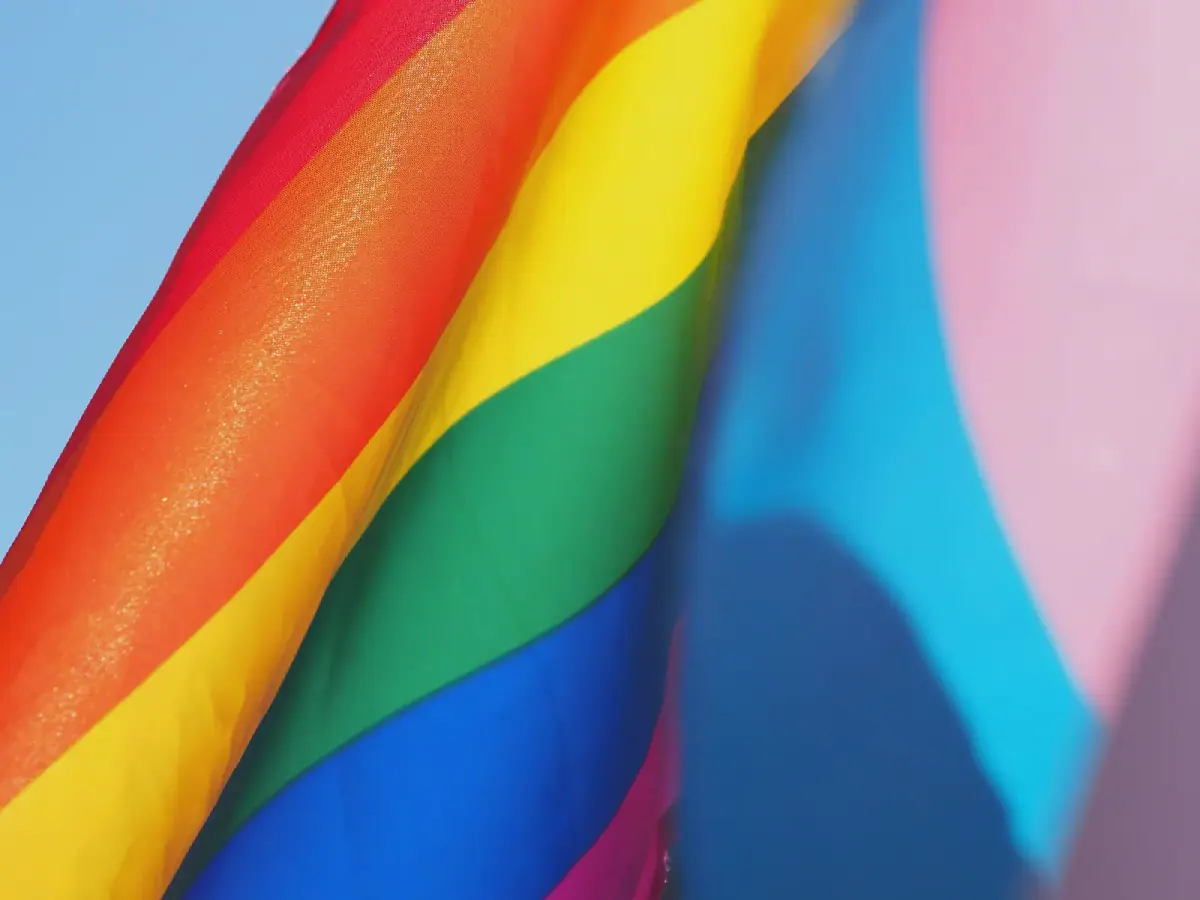
A planned conference in Cape Town on family values has drawn opposition from LGBTQIA+ organisations and citizens, with over 11,000 signatures collected on a petition opposing the event. The Third Pan-African Conference on Family Values, scheduled for May 12-15, 2027, aims to promote a narrow definition of family based on heterosexual marriage. The draft African Charter on Family, Sovereignty and Values, which underpins the conference, defines the family as a union between a man and a woman, with no recognition for same-sex couples.
The proposed charter has been met with resistance from several African countries, including South Africa and Mozambique, which have already rejected it. At the 4th African Inter-Parliamentary Conference on Family Values and Sovereignty in Accra, South African delegate Zandile Majozi argued that the charter conflicted with Chapter 2 of her country's Constitution. The charter's backers, however, frame it as a defence of "family values" and a necessary measure to protect parental authority.
The debate over family values and LGBTQ+ rights extends beyond the LGBTQ+ community, with far-reaching implications for gender equality and human rights across the continent. Family law, which governs marriage, divorce, property, inheritance, and custody, plays a critical role in shaping everyone's ability to live safely, equally, and free from discrimination. Governments have an obligation to protect equality for all citizens, and family law is a key test of their commitment to this principle.
The Maputo Protocol, a treaty on women's rights adopted by African governments in 2003, guarantees women equality in marriage and the family, protection from harmful practices, and the right to make their own decisions about reproductive health. However, the draft Charter calls on states to withdraw from agreements that conflict with its principles, including the Maputo Protocol. This move has sparked concerns that the charter could undermine existing human rights protections.
African civil society is pushing back against the family-values charter, with the Africa Family Law Network (AFLN) bringing together organisations across over a dozen countries to reject the weaponisation of "African tradition" to justify inequality. The AFLN and other groups argue that the charter's narrow definition of family would exclude many individuals, including same-sex couples, unmarried mothers, and women seeking a divorce.
The conference in Cape Town is part of a wider pattern in which "family values" are being used to justify stripping fundamental human rights and obligations on gender equality. The outcome of the conference and the fate of the draft Charter will have significant implications for the future of LGBTQ+ rights and gender equality in Africa. As the debate continues, it remains to be seen how African governments will balance their obligations to protect human rights with the demands of conservative groups.
The issue has sparked a wider conversation about the role of culture and tradition in shaping human rights and the need for governments to protect equality and dignity for all citizens. With the Maputo Protocol and other human rights instruments in place, the question remains as to whether African governments will uphold their commitments to human rights and equality in the face of conservative pressure.
Key points
- The proposed family-values charter could undermine LGBTQ+ rights and gender equality across Africa.
- The charter's narrow definition of family would exclude many individuals, including same-sex couples and unmarried mothers.
- African civil society is pushing back against the charter, arguing that it would justify inequality and strip fundamental human rights.