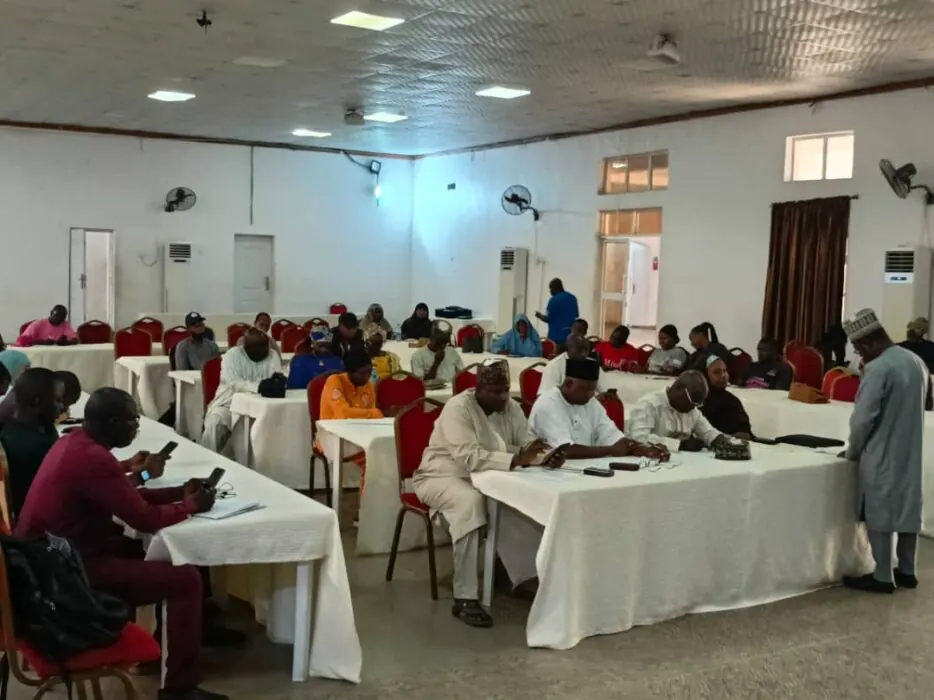
Plan International Nigeria has supplied essential mental health medications, family planning commodities, and drugs for treating sexually transmitted infections (STIs) to health facilities in Bauchi and Sokoto states. This intervention aims to improve access to healthcare services, particularly for adolescents, young women, and other people requiring care in the two states. The donation was announced during the commemoration of World Mental Health Day 2026 in Bauchi.
The intervention is part of the Adolescent Sexual and Reproductive Health in Nigeria (ASPIRE) project, funded by Global Affairs Canada. The ASPIRE project works with government institutions and communities to address challenges affecting adolescent girls and young women. These challenges include sexual and reproductive health and rights, gender inequality, harmful social norms, economic exclusion, mental health, and psychosocial wellbeing.
According to the Country Director of Plan International Nigeria, Dr. Charles Usie, the handover of the essential health commodities marks a shift from awareness and advocacy to practical action. He noted that awareness campaigns, advocacy, and efforts to tackle stigma are important to promoting mental health. However, these efforts need to be supported by accessible services, trained healthcare providers, appropriate treatment, and adequate supplies of essential medicines.
The donation includes medicines supporting the management of a range of mental health conditions, alongside commodities that strengthen access to sexual and reproductive health and rights services. Routine quality-of-care assessments and supportive supervision conducted with relevant government ministries and agencies had identified gaps in the availability of selected family planning commodities, STI medicines, and psychotropic medications in supported health facilities.
Dr. Usie described the intervention as an investment in strengthening health systems rather than merely a donation of medicines and healthcare commodities. The supplies will be integrated into existing government storage, distribution, and monitoring structures, including relevant Drug Revolving Fund mechanisms, to promote sustainability and avoid creating parallel systems.
The use of existing government structures will help sustain the intervention and ensure that the essential medicines and commodities continue to be available to those who need them. This approach also supports the government's efforts to strengthen its health systems and provide accessible services to its citizens.
The intervention is a significant step towards strengthening access to essential health services for adolescents, young women, and other people who require care across Bauchi and Sokoto states. It is also a testament to the organization's commitment to promoting health and wellbeing, particularly for vulnerable populations.
Key points
- Plan International Nigeria donates essential medicines to health facilities in Bauchi and Sokoto states.
- The intervention aims to improve access to healthcare services, particularly for adolescents, young women, and other people requiring care.
- The donation includes medicines for mental health conditions, family planning commodities, and STI medicines.