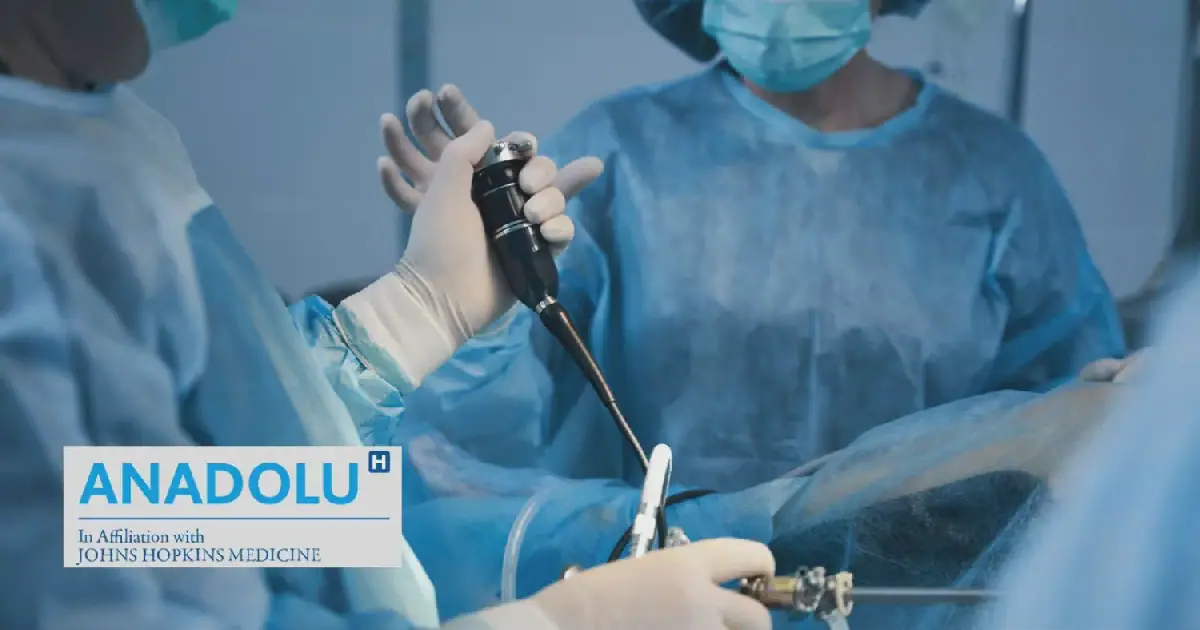
A type of cancer that originates in the stomach, colon, or ovary can sometimes spread to the peritoneum, a thin membrane that lines the abdominal cavity. This can make treatment challenging, as chemotherapy injected into a vein has difficulty reaching the peritoneum. In 2011, surgeons proposed a new approach called PIPAC, or pressurized intraperitoneal aerosol chemotherapy, which involves spraying chemotherapy directly into the abdomen in the form of a fine mist.
The PIPAC treatment involves a short operation under camera guidance and uses reduced doses of medication. The goal is to concentrate the treatment where the tumors are located, while minimizing the impact on the rest of the body. The procedure involves introducing a device into the abdomen that converts the chemotherapy solution into fine droplets, which are then dispersed throughout the cavity. The pressure is maintained at 12 mmHg and 37 °C for about 30 minutes to facilitate the penetration of the molecules into the tumor tissues.
The PIPAC treatment is typically used for patients with advanced cancers that have spread to the peritoneum. The treatment is often used in combination with other therapies, and the goal is to control the growth of the tumors and improve the patient's quality of life. The treatment can be repeated every six weeks, with a scanner used to monitor the response after each intervention. The PIPAC treatment has been used for various types of cancer, including ovarian, colorectal, gastric, and pancreatic cancer.
The PIPAC treatment has several advantages over traditional chemotherapy and other treatments. The procedure is less invasive and can be repeated regularly, with fewer complications and shorter hospital stays compared to other treatments. However, the treatment is not without risks, and patients must be carefully selected and monitored. A team of surgeons, oncologists, and other specialists review each patient's case to determine if PIPAC is a suitable option.
To be eligible for PIPAC treatment, patients must have a good performance status, no metastases outside the abdomen, and a limited history of previous abdominal surgeries. The patient's overall health and medical history are also taken into account. The treatment is typically performed under general anesthesia, and patients are usually hospitalized for one to three days after the procedure. Follow-up care is crucial, and patients must adhere to a strict regimen of medication, hydration, and physical activity.
While PIPAC has shown promise in treating advanced cancers, more research is needed to fully understand its benefits and limitations. The treatment is not yet widely available, and its use is still considered experimental. However, for patients with limited treatment options, PIPAC may offer a new hope for improving their quality of life and survival.
The PIPAC treatment is part of a larger effort to develop more effective and targeted therapies for cancer. As research continues to evolve, it is likely that new treatments and technologies will emerge, offering even more options for patients with advanced cancers. For now, PIPAC represents a promising development in the fight against cancer, and its use will likely continue to grow as more patients and clinicians learn about its benefits and potential.
Key points
- The PIPAC treatment involves spraying chemotherapy directly into the abdomen in the form of a fine mist.
- The treatment is typically used for patients with advanced cancers that have spread to the peritoneum.
- The PIPAC treatment has several advantages over traditional chemotherapy and other treatments, including fewer complications and shorter hospital stays.