Johannesburg's waste management entity, Pikitup, is facing significant financial and operational challenges, including millions of rand owed to contractors and mounting fleet maintenance problems. These issues have resulted in disruptions to refuse collection in several parts of the city, sparking concerns about municipal accountability and service delivery ahead of the local government elections. Pikitup's financial difficulties have been attributed to the city's centralised financial system, which has limited the entity's ability to reinvest revenue into waste collection infrastructure and pay subcontractors.
According to Pikitup, 70% of its revenue is locked away and can only be reinvested directly back into waste collection infrastructure, paying subcontractors, and buying equipment. The remaining 30% of revenue goes back to the central municipality for its own discretionary spending. Managing Director Bukelwa Njingolo explained that the entity is working to ensure that it gets treated as a priority group to guarantee basic services are delivered to communities. This comes as residents prepare to vote in the local government elections, scheduled for 4 November.
Pikitup is also facing criticism over its reliance on rented vehicles, with the September report putting the rental bill at approximately R85m a month. The entity's fleet availability remains central to service delivery, with Njingolo emphasising that the fleet is an enabler in terms of waste collection. Pikitup's reliance on rented vehicles has raised concerns about the long-term sustainability of its operations and the city's plans to restore reliable waste collection services.
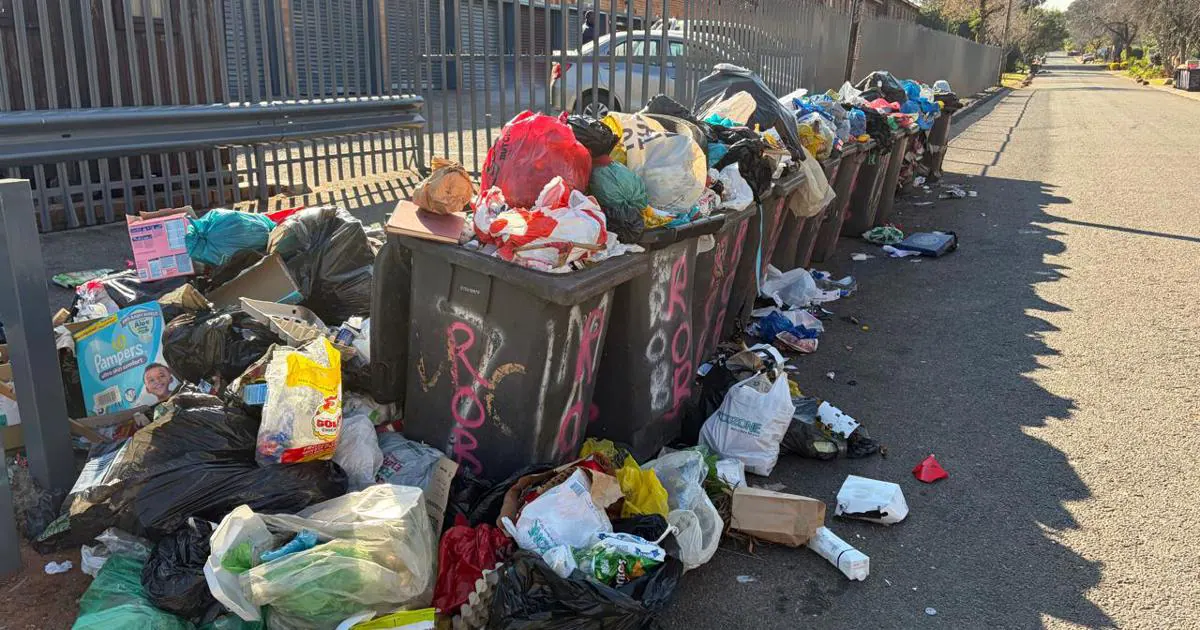
The financial and operational challenges facing Pikitup have sparked mounting backlogs across Johannesburg, with waste collection disruptions becoming increasingly common. The entity's ageing trucks and delayed payments have been cited as major contributors to the problems. As the local government elections approach, the spotlight is on municipal accountability and the city's plans to address the waste management crisis.
Pikitup's troubles have also been linked to the city's centralised financial system, which has been blamed for limiting the entity's financial flexibility. The system has resulted in Pikitup being unable to access sufficient funds to invest in new infrastructure and equipment, exacerbating the entity's fleet maintenance problems. The city's plans to address these issues and restore reliable waste collection services will be closely watched by residents and stakeholders.
The local government elections, scheduled for 4 November, will provide an opportunity for residents to hold municipal officials accountable for the city's service delivery record. The waste management crisis has become a major issue in the run-up to the elections, with residents expressing frustration about the lack of reliable waste collection services. Pikitup's Managing Director has sought to assure residents that the entity is working to address the challenges and restore reliable services.
As the city works to address the waste management crisis, residents will be watching closely to see if Pikitup's efforts yield tangible results. The entity's ability to deliver reliable waste collection services will be a key test of municipal accountability and service delivery in the city. With the local government elections approaching, the stakes are high for municipal officials and Pikitup's leadership.
Key points
- Pikitup faces significant financial and operational challenges, including millions owed to contractors and mounting fleet maintenance problems.
- The entity's reliance on rented vehicles has raised concerns about the long-term sustainability of its operations.
- The local government elections will provide an opportunity for residents to hold municipal officials accountable for the city's service delivery record.