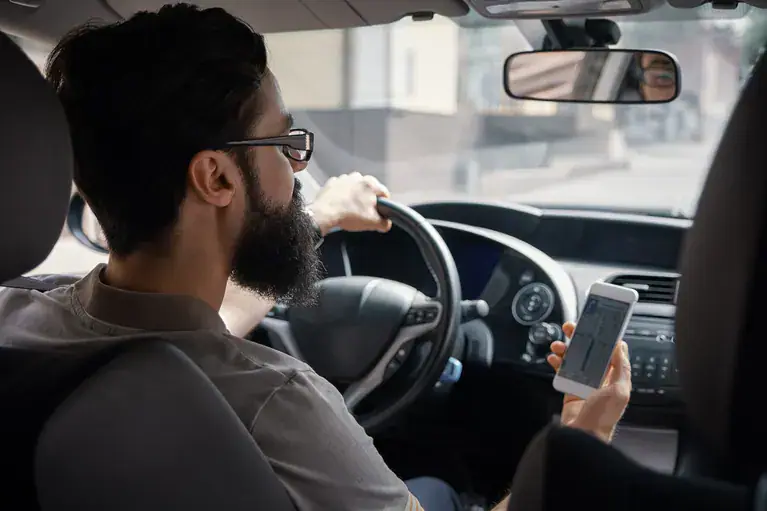
In Kenya and around the world, distracted driving has become a major concern, with thousands of people dying in crashes involving cell phone use. According to data from the National Highway Traffic Safety Administration (NHTSA) analyzed by the National Safety Council, 3,208 people died in distraction-affected crashes in the United States in 2024. This trend has led investigators to look for new ways to reconstruct accidents and determine what drivers were doing at the time of impact. One such method involves analyzing phone data.
Phone data can provide a wealth of information about a driver's actions leading up to a crash. This includes call logs, text and message records, app and screen activity, location and GPS data, and motion and sensor data. By analyzing this data, investigators can determine whether a driver was using their phone at the time of the crash. For example, if a call was in progress at the time of impact, this can give investigators a strong starting point for their investigation.
There are several types of phone data that can be used in accident reconstruction. Call logs show who called, who was called, when the call started, and how long it lasted. Text and message records can reveal when a message was sent, received, or opened. App and screen activity can indicate whether a driver was handling their phone, even if they weren't making a call or sending a message. Location and GPS data can provide information on the vehicle's speed and path.
To align phone data with the exact moment of a crash, forensic experts must carefully analyze the data. The first step is to establish the time of the crash, usually by consulting the vehicle's event data recorder, 911 call log, or nearby traffic camera footage. Once a reliable time is established, every phone entry is measured against it. Experts must also account for differences in clock times between phones, carriers, and cars.
Phone data is most useful when combined with other evidence, such as vehicle data and witness accounts. In Texas, for example, it is an offense to read, write, or send an electronic message while driving, unless the vehicle is stopped. If a message was sent while the car was moving, this can directly link the driver to a violation. However, hands-free use and navigation are treated differently, so context matters.
When investigating distracted driving accidents, it's essential to preserve phone records early, as data can be overwritten or deleted. Carrier records can show activity, but not always who used the phone. Timestamps must be carefully checked against the crash time to ensure accuracy. By combining phone data with other evidence, investigators can build a more complete picture of what happened leading up to a crash.
As the use of phone data in accident reconstruction becomes more widespread, it's likely that we'll see more cases where this type of evidence is used in court. In Kenya and other countries, this trend is expected to continue, with phone data becoming an increasingly important tool for investigators. By understanding how phone data can be used to reconstruct distracted driving accidents, we can better understand the role that this type of evidence plays in ensuring road safety.
Key points
- Phone data provides crucial evidence on what drivers were doing at the time of a distracted driving accident.
- Forensic experts must carefully analyze phone data to align it with the exact moment of a crash.
- Phone data is most useful when combined with other evidence, such as vehicle data and witness accounts.