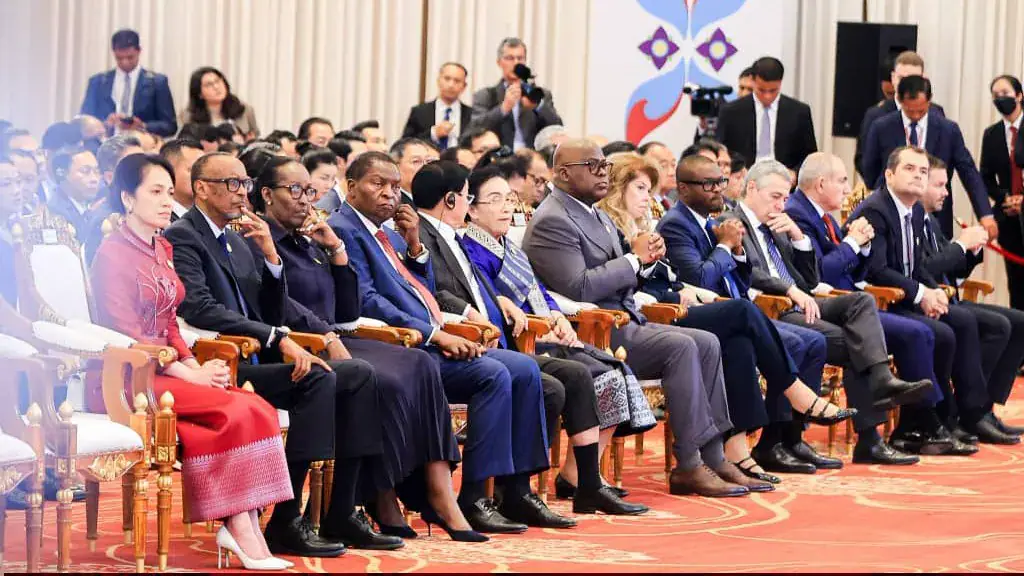
The Francophonie summit, held in Phnom Penh from November 14-16, 2026, took place against the backdrop of Cambodia's dark history under Pol Pot's Khmer Rouge regime from 1975 to 1979. This somber context underscored the importance of the organization's commitment to peace, human dignity, and fundamental rights. The summit's theme of responsibility and action resonated with the need for concrete steps to address global challenges. The Francophonie's role in promoting these values was put to the test.
The summit also drew attention to the complexities of global governance, particularly in the context of Rwanda's history and its current situation. The Rwandan genocide in 1994 and the role of the Front patriotique rwandais in ending the tragedy were acknowledged. However, concerns were raised about the country's current situation, including restrictions on political freedoms and allegations of involvement in the crisis in eastern Democratic Republic of the Congo. These issues highlighted the need for accountability and action from member states.
The crisis in eastern Democratic Republic of the Congo has persisted for three decades, with cycles of violence and armed conflict. The Congolese government has accused Rwanda of aggression, with UN reports documenting support from Rwandan defense forces to the M23 movement. The situation has resulted in significant human suffering, with lives lost, families separated, and communities displaced. The Francophonie's response to this crisis was seen as a test of its solidarity and commitment to peace.
The Democratic Republic of the Congo has questioned the Francophonie's effectiveness in promoting peace and solidarity among its member states. The Congolese government has called for concrete support in its diplomatic efforts, mediation initiatives, and defense of international law. The Francophonie's inability to address the crisis effectively has raised concerns about its relevance and usefulness to its member states. The organization's commitment to solidarity and collective responsibility was seen as essential.
The Francophonie's leadership, particularly under Secretary-General Louise Mushikiwabo, has faced scrutiny over its handling of the crisis. The organization's response has been seen as inadequate, with some questioning its ability to promote peace and stability in the region. The withdrawal of Juliana Amato Lumumba's candidacy and the support for Romanian candidate Dacian Cioloș were seen as attempts to refocus the organization on its core principles.
The French government's response to the crisis, led by President Emmanuel Macron, has been seen as important but insufficient. While France has taken a clear stance on the crisis, including supporting UN Resolution 2773, concerns remain about the effectiveness of its actions. The French government's commitment to promoting peace and stability in the region was seen as crucial, but its impact was questioned.
The Francophonie summit highlighted the complexities of global governance and the challenges faced by international organizations in promoting peace and human rights. The organization's response to the crisis in eastern Democratic Republic of the Congo will be seen as a test of its relevance and effectiveness. The Francophonie's commitment to solidarity, collective responsibility, and concrete action will be essential in addressing the challenges facing its member states.
Key points
- The Francophonie's role in promoting peace and human rights was put to the test at the Phnom Penh summit.
- The crisis in eastern Democratic Republic of the Congo highlighted the need for concrete action from the Francophonie.
- The organization's effectiveness in promoting solidarity and collective responsibility among its member states was questioned.