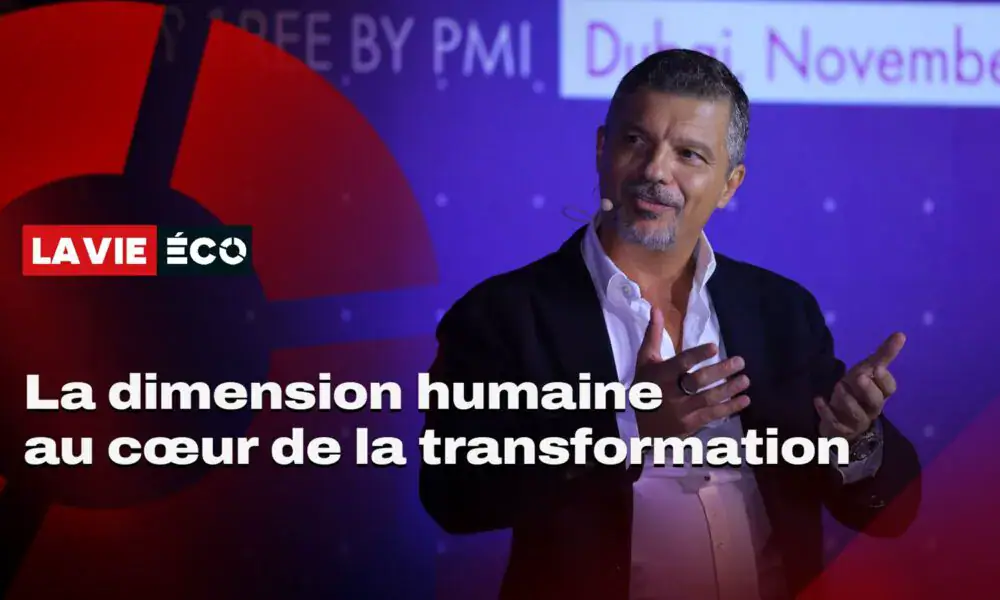
Philip Morris International (PMI) recently hosted its Technovation event, "Smoke-Free by PMI," in Dubai, bringing together various stakeholders to discuss the human side of innovation in smoke-free products. Christos Kiritsis, Vice President of Smoke-Free Products for PMI in South Asia, Indochina, the Commonwealth of Independent States, and the Middle East and North Africa (MENA), emphasized the importance of understanding consumer behavior and cultural nuances in developing these products. The event aimed to accelerate the transition from traditional cigarettes to smoke-free alternatives.
Kiritsis explained that Technovation is an initiative launched by PMI to gather different societal actors and researchers to facilitate this transition. This year's event involved professionals from design and art, who contributed to understanding consumer curiosity and expectations. The goal is to create products that integrate naturally into consumers' daily lives, aligning with their habits and lifestyles. By collaborating with designers and artists, PMI seeks to go beyond the aesthetic aspect of product design and tap into the psychological, emotional, and social aspects that drive consumer behavior.
PMI offers a diverse portfolio of smoke-free products, including heated tobacco, vaping products, and nicotine pouches. Each category caters to different consumer needs, providing alternatives to traditional cigarettes. Kiritsis noted that consumers seek products that not only satisfy their nicotine cravings but also fit seamlessly into their daily routines. To achieve this, PMI has developed a range of products that cater to various preferences, making it easier for consumers to transition away from combustible cigarettes.
Understanding consumer needs is crucial in developing smoke-free products. Kiritsis emphasized that PMI works closely with consumers to comprehend their needs, challenges, and barriers to changing their consumption habits. The company recognizes that cultural and social factors play a significant role in shaping consumer behavior, particularly in countries where smoking is deeply ingrained. By acknowledging these factors, PMI aims to create products that resonate with local communities and facilitate a smoother transition to smoke-free alternatives.
The emotional and cultural dimensions of consumer behavior are essential considerations for PMI. Kiritsis highlighted that when consumers contemplate switching to smoke-free products, they consider not only the scientific basis of the product but also the emotional benefits and potential compromises. PMI collaborates with local designers, artists, and cultural experts to create products that account for these factors, ensuring that consumers feel the product is designed for them, taking into account their needs and habits.
Public authorities and civil society also have a vital role to play in promoting smoke-free products. Kiritsis stressed that governments should ensure the accessibility of these products while establishing a regulatory framework that guarantees their conformity to existing norms. Clear communication and accurate information are crucial in dispelling misconceptions about smoke-free products and their differences from traditional cigarettes. By working together, PMI and regulatory bodies can facilitate a supportive environment for consumers to transition to smoke-free alternatives.
The success of smoke-free products depends on various factors, including consumer education, accessibility, and affordability. Kiritsis concluded that PMI's goal is to create a future where consumers can make informed choices about their nicotine consumption, with smoke-free products being a viable alternative. By prioritizing human-centered innovation and collaboration with stakeholders, PMI aims to contribute to a significant reduction in the risks associated with combustible cigarettes.
Key points
- PMI's Technovation event emphasizes the importance of human-centered innovation in developing smoke-free products that integrate naturally into consumers' daily lives.