Health researchers in Nigeria believe that pharmacists can play a crucial role in driving HIV prevention, testing, linkage to care, and research. Their accessibility, regular interaction with patients, and medicines expertise make them well-positioned to expand access to preventive services and generate evidence for more effective interventions. According to experts, pharmacists can contribute beyond dispensing medicines by supporting patient education and improving access to preventive interventions such as pre-exposure prophylaxis.
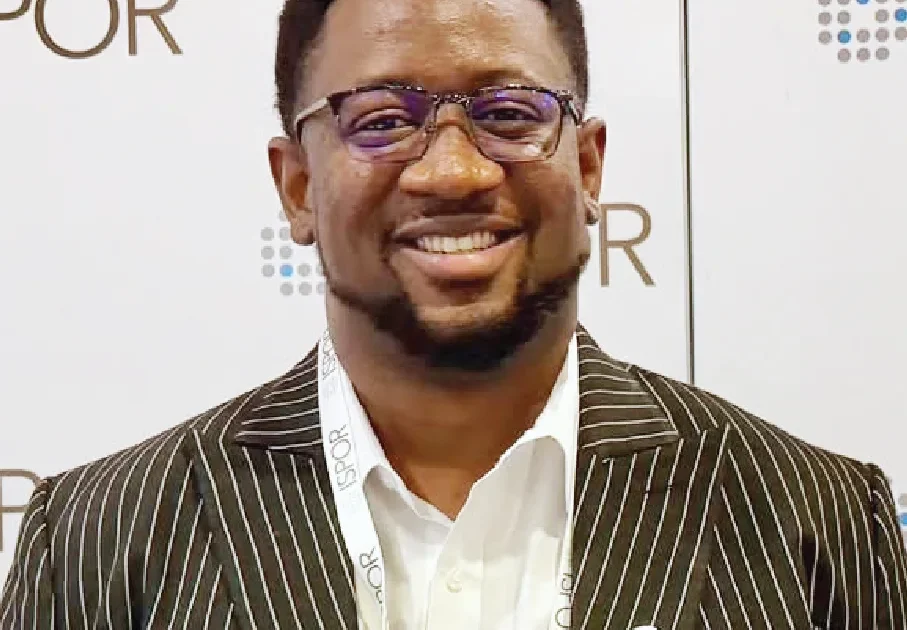
Researchers are urging pharmacists to participate in HIV research, particularly studies examining access to medicines, patient preferences, treatment outcomes, and how new interventions can be implemented effectively in communities. Gabriel Ezenri, a pharmacist and health outcomes researcher, emphasized that pharmacists should not only be involved in dispensing medicines but also contribute to research that determines which interventions work and how they can be implemented effectively.
Ezenri co-leads the Person-Centered HIV Research Team (PeCHIVReT) at the University of Nigeria, Nsukka, where he helps shape the group's research program, develop studies, and establish research collaborations. The team has undertaken studies spanning HIV prevention, treatment, health outcomes, and patient-centered care, producing peer-reviewed publications and research presented at international scientific meetings.
Ezenri called on universities, professional organizations, and research institutions to expand research mentorship, interdisciplinary collaborations, and opportunities for pharmacists and pharmacy students to participate in HIV programs and research. He emphasized that pharmacists' training gives them an important perspective on medicines and patient care that should be represented in research and public health decision-making.
Melody Okereke, a pharmacist and HIV/AIDS implementation science researcher, stressed the value of expanding pharmacists' participation in the HIV response. She noted that pharmacists bring a unique combination of medicines expertise, patient interaction, and understanding of healthcare delivery to the HIV response, which can strengthen the evidence generated and help translate it into effective interventions.
Okereke, also a member of PeCHIVReT, highlighted that research teams can provide a pathway for pharmacists and early-career researchers to develop experience in HIV research. She emphasized that creating opportunities for young researchers to contribute meaningfully to studies and work with experienced investigators can help build a stronger generation of pharmacist-researchers working on HIV and other public health priorities.
The researchers' advocacy reflects a broader effort to engage pharmacists in the HIV response and strengthen the country's response to the epidemic. By leveraging pharmacists' skills and expertise, Nigeria can improve access to HIV prevention, testing, and care, and ultimately reduce the burden of the disease. Pharmacists are being encouraged to take on a more prominent role in HIV research and prevention efforts.
Key points
- Pharmacists can drive HIV prevention, testing, linkage to care, and research in Nigeria due to their accessibility and expertise.
- Researchers are calling for increased pharmacist participation in HIV research, particularly studies on access to medicines and patient preferences.
- Expanding pharmacists' involvement in HIV prevention and research can strengthen the evidence generated and improve public health decision-making.