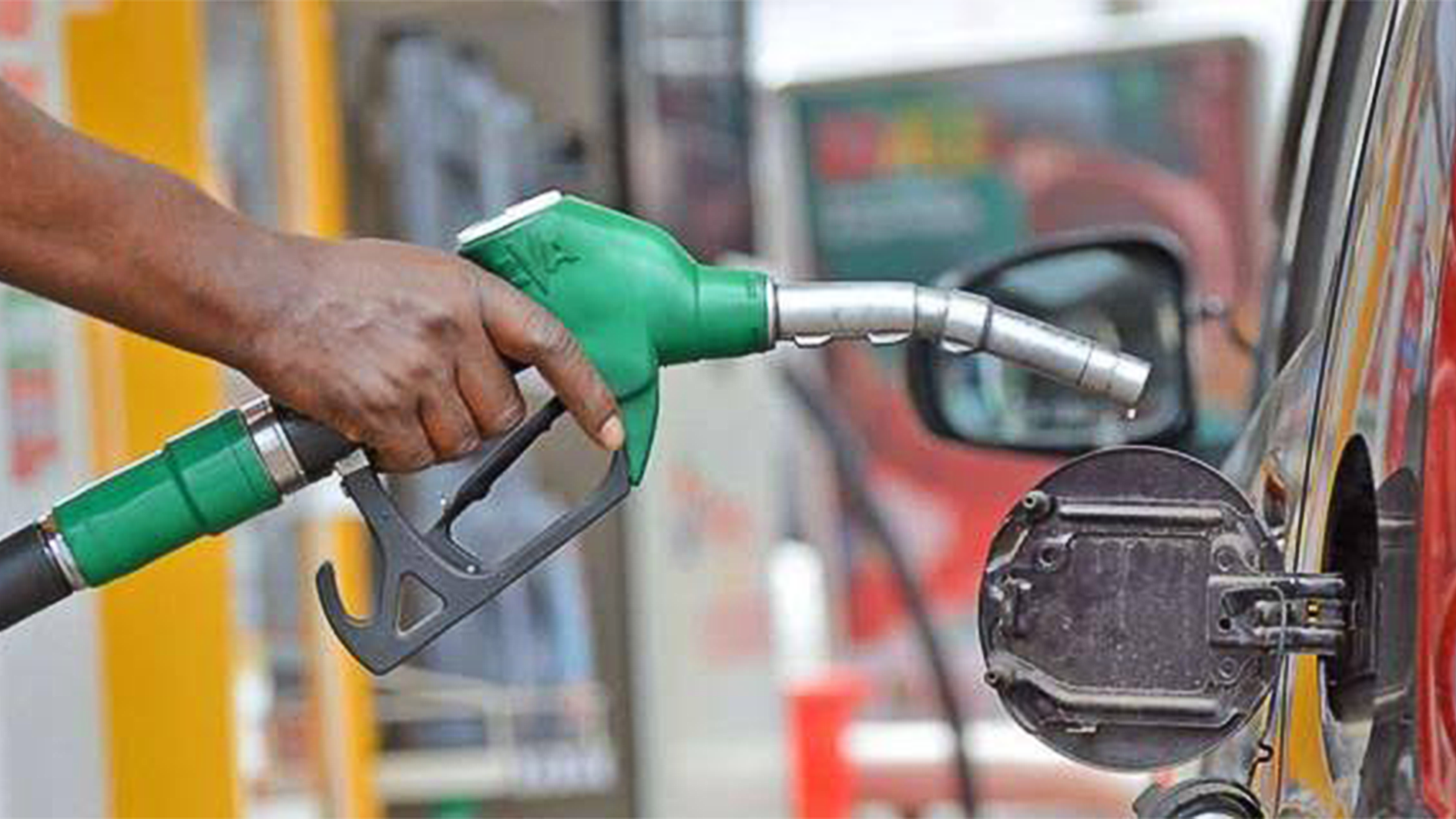
Recent increases in petroleum product prices, particularly petrol, have significantly impacted Nigeria's economy, which is already struggling with a cost-of-living crisis. The sharp drop in household incomes, coupled with drastic hikes in transport costs and food prices, has worsened the situation. With the subsidy now fully removed, every additional dollar per barrel of crude oil translates into higher pump prices at local filling stations. This paradox of rising crude prices, which should benefit the country, turning into a financial burden on citizens, needs to be addressed.
The current price of petrol has breached the N1,400-a-litre threshold in parts of the country after Dangote Petroleum Refinery raised its gantry price to N1,350 a litre. This is the refinery's fourth price increase since August 21, adding N185 or 15.9 per cent. The adjustments suggest that domestic petrol prices will continue to mirror movements in the international crude market. The government's failure to create a system that minimises Nigeria's exposure to global market fluctuations has become a pressing concern.
The naira-for-crude arrangement, expected to reduce the country's vulnerability to external oil price shocks, was pulled without a credible alternative. The arrangement's discontinuation has left Nigeria without a buffer against international price volatility. Countries that cannot afford direct product subsidies often deploy other fiscal incentives, including tax waivers and targeted relief measures, to moderate energy costs and protect economic activity. Nigeria should explore similar measures to protect its citizens.
A market-driven petroleum sector does not absolve the government of its responsibility to protect citizens from extreme price volatility. The emergence of local refineries, such as Dangote, has not significantly stabilised petrol prices, demonstrating the limitation of refineries in controlling crude prices. Crude oil accounts for about 65 per cent of total refining costs, making it challenging for refineries to manufacture cheap crude.
The geopolitical crisis involving Iran has further complicated the outlook, pushing Brent crude above $100 a barrel. If the escalation continues, crude prices could rise to $120 or more in the coming weeks. This scenario would expose Nigeria's economy to severe consequences, including potentially pushing pump prices higher, towards N2,000 a litre. A return to the old blanket subsidy regime would be fiscally dangerous, while expecting citizens to absorb high petrol prices without severe economic and social consequences is unrealistic.
The government should explore multiple options to make petroleum products available and affordable without returning to an indiscriminate subsidy regime. The naira-for-crude arrangement should be reviewed to determine whether it can be redesigned to stabilise the domestic market. Targeted fiscal measures that protect consumers and productive sectors from extreme price shocks should also be examined. These interventions should be transparent, time-bound, and subject to independent scrutiny.
To tackle the problem of rent-seeking in the downstream sector, a more competitive and genuinely liberalised market is necessary. Import licensing should not be restricted to a privileged few, and new licences could be granted to applicants with credible business plans, adequate financing, and demonstrable capacity. Energy security is critical to Nigeria's economic survival and should not be left in the hands of a few cartels. Competition must be encouraged, while regulators ensure that market liberalisation does not become a cover for predatory pricing, collusion, or the capture of public resources.
Key points
- The Nigerian government faces pressure to address the impact of rising petrol prices on citizens.
- The downstream sector reform remains unfinished.
- Alternative measures, such as the naira-for-crude arrangement, could help stabilise the domestic market.