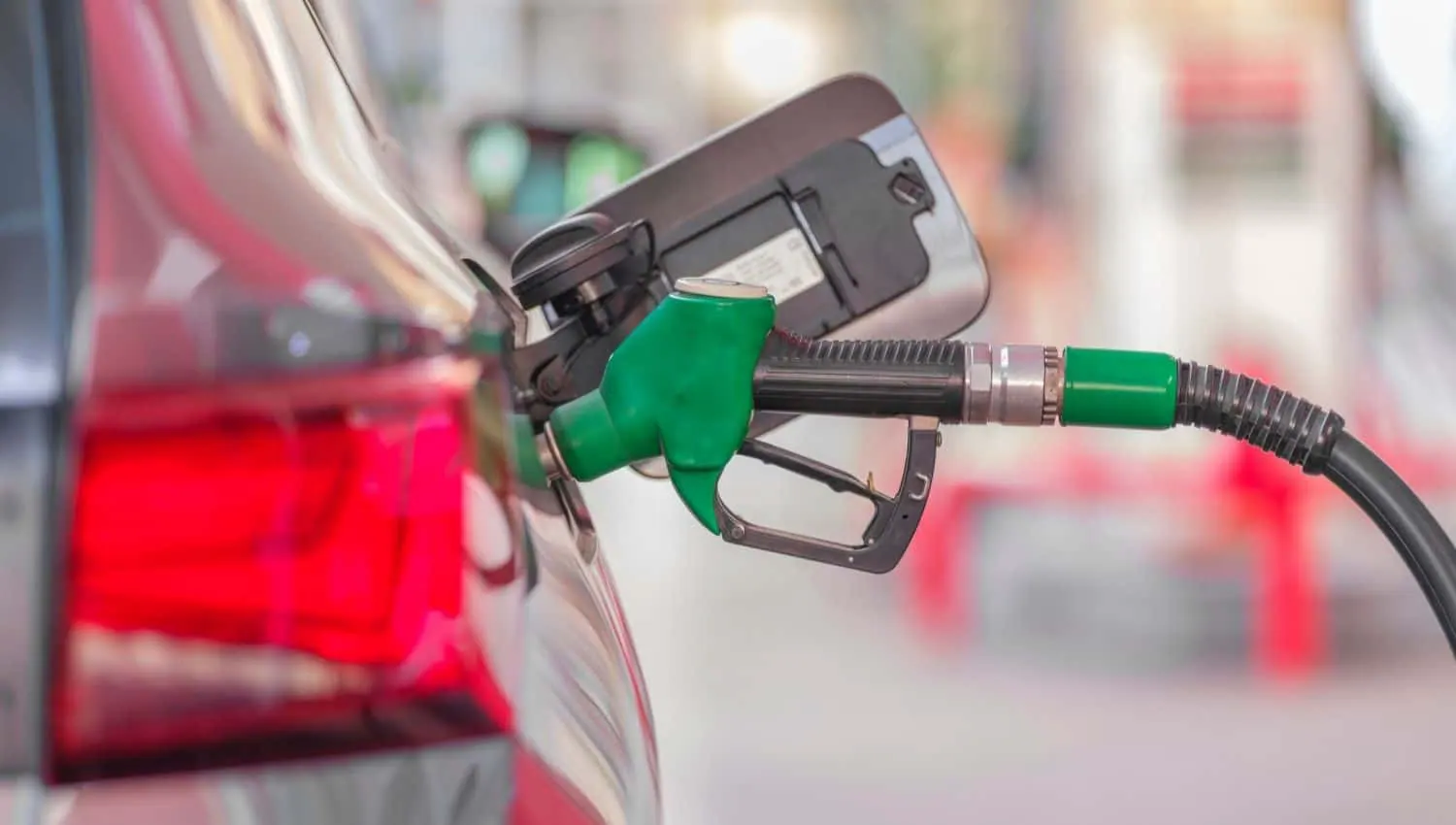
South African motorists are bracing for another substantial fuel price increase from Wednesday, with petrol expected to break the R30-a-litre mark in some parts of the country. According to the Central Energy Fund's (CEF) latest month-end data, petrol prices are set to rise by about R3.08 per litre for 93 unleaded petrol and R3.29 for 95 unleaded. This significant increase has raised concerns among motorists and households about the impact on their budgets.
Diesel prices are also expected to rise sharply, with projected increases ranging from about R2.80 per litre for 500ppm diesel to R3.15 for 50ppm diesel. If the increases are implemented in full without government intervention, motorists could pay around R29.23 per litre for 95 unleaded at the coast and R30.10 inland from Wednesday. The price of 93 unleaded could rise to about R29.94 per litre. These projections are not yet the final official prices, which are expected to be announced ahead of the implementation of the new prices.
The latest surge in fuel prices has been largely driven by higher international oil prices, with tensions in the Middle East adding pressure to crude prices and raising concerns about possible disruptions to oil supplies and shipping. The Strait of Hormuz remains a particular concern for global energy markets due to its importance to international oil shipments. These tensions have contributed to the increase in fuel prices, affecting motorists and the broader economy.
There may be some relief on the horizon, as oil prices fell after the G7 agreed to release 100 million barrels from its oil and diesel reserves. However, this move may come too late to prevent this week's increase. For now, motorists are heading into October facing some of the highest fuel prices seen this year. The impact of these increased fuel prices will be felt across various sectors, including transportation and logistics.
The possibility of government intervention to alleviate the burden on motorists appears limited. In April, the government temporarily reduced the General Fuel Levy by at least R3 per litre for two months, providing significant relief to motorists. However, Mineral and Petroleum Resources Minister Gwede Mantashe stated last month that there were no immediate plans for similar relief, although the fuel price structure remains under review.
Unless international oil prices ease significantly, motorists and households are likely to face continued pressure from rising fuel costs. The first major increase is set to arrive at petrol stations this Wednesday. Households and businesses will need to adjust their budgets accordingly, as the increased fuel prices will have a ripple effect on the economy.
The expected fuel price increase will have far-reaching implications for the South African economy, particularly for low-income households that spend a significant portion of their income on fuel. As motorists prepare for the increase, they will need to consider ways to mitigate the impact on their budgets, such as reducing fuel consumption or exploring alternative modes of transportation.
Key points
- Petrol prices in South Africa are expected to exceed R30 per litre in some areas due to higher international oil prices.
- Diesel prices are also set to rise sharply, with projected increases ranging from R2.80 to R3.15 per litre.
- The fuel price increase is driven by tensions in the Middle East and concerns about disruptions to oil supplies and shipping.