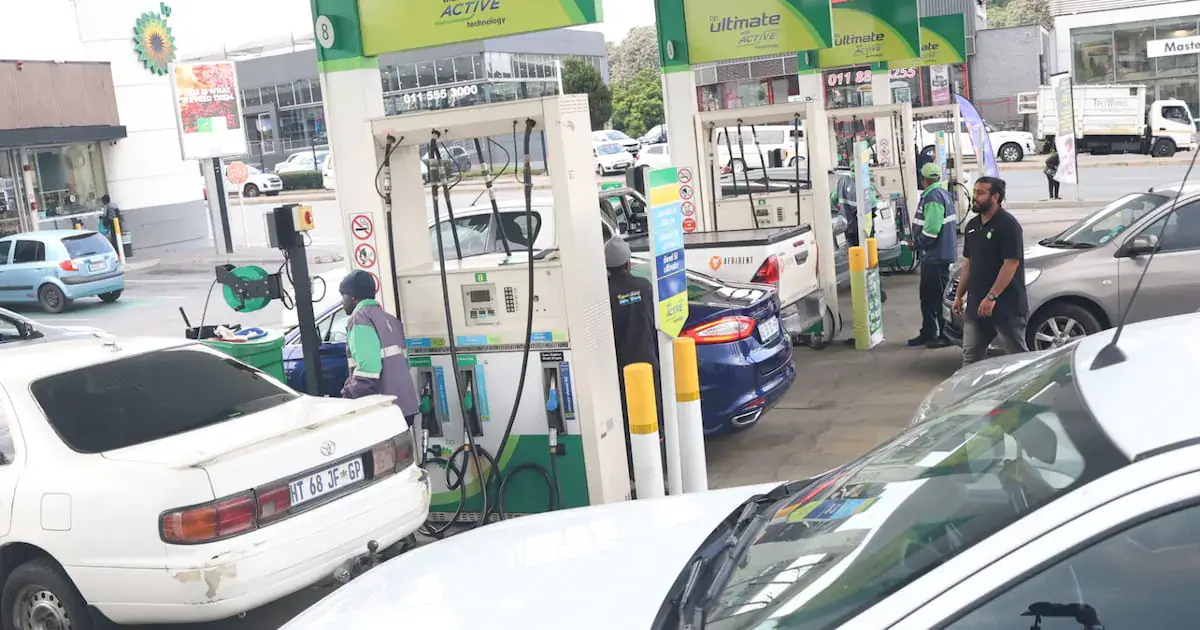
The price of petrol in South Africa will remain largely unchanged this month, with both 93-grade and 95-grade unleaded petrol decreasing by just one cent a litre at the pump. However, diesel prices are set to decrease, with the wholesale price of diesel falling by R1.10 for the 0.05% sulphur grade and R1.20 for the 0.005% sulphur grade. This change comes as a result of a temporary general levy reduction announced in the recent medium-term budget.
The department of mineral and petroleum resources announced the changes in a statement on Tuesday. According to the department, the average Brent Crude oil price increased from $101 to $108 a barrel during the period under review, due to uncertainty caused by the conflict in the Middle East, including attacks on Saudi Arabia infrastructure. The rand also depreciated on average against the dollar, leading to higher contributions to the basic fuel prices of petrol, diesel and illuminating paraffin.
South Africa is a net importer of crude oil and finished petroleum products, making it vulnerable to global oil supply constraints. The country has strongly felt the negative effect of global oil supply constraints, particularly with the US war against Iran disrupting flows through the strategic Strait of Hormuz. Domestic fuel prices lag international movements by about a month, based on the cost of importing the products over the preceding 30 days, calculated by the state Central Energy Fund.
The department of mineral and petroleum resources attributed the increase in fuel prices to the tight global supply, higher seasonal demand ahead of the winter in the northern hemisphere, and the continued Russia/Ukraine conflict. Middle distillates prices are mainly affected by these factors. Despite the concession, the latest fuel price adjustment still leaves the price of petrol in South Africa about 50% higher than it was before the Middle East war made its impact felt.
In his medium-term budget policy statement to parliament on October 21, finance minister Enoch Godongwana announced that the general fuel levy would be reduced by R3 per litre for diesel and R1.50 per litre for petrol from November 4 until December 1. The relief will continue at a lower amount until January 5, with the diesel levy reduced by R1.50 per litre and the petrol levy by R1 per litre.
The National Treasury has set aside R10bn for the concession. According to CEF data, the cost of diesel has soared about 70% since the Middle East war made its impact felt. The reduction in fuel levy is expected to provide relief to consumers and businesses affected by the high fuel prices.
The decrease in diesel prices is expected to have a positive impact on the economy, particularly on industries that rely heavily on diesel, such as transportation and agriculture. The relief will also help to mitigate the effects of high fuel prices on low-income households.
Key points
- The price of petrol in South Africa remains about 50% higher than it was before the Middle East war made its impact felt.
- The cost of diesel has soared about 70% since the Middle East war made its impact felt.
- The National Treasury has set aside R10bn for the concession on fuel levy reduction.