Peter Obi, the presidential candidate of the Nigerian Democratic Congress (NDC), has stated that he would work with opposition parties and involve them in matters of national importance if elected president in the 2027 election. In an interview with ARISE NEWS, Obi outlined his plans for electoral reform, opposition politics, and democratic governance. He emphasized that his administration would not harass opposition parties, stressing that all political groups have a role to play in building a stable country.
Obi's commitment to collaboration with opposition parties extends to foreign trips, where he would involve opposition politicians in important government decisions. He believes that involving everyone in decision-making processes is crucial for building a stable, united, and secure country. Obi also vowed to take a hard line against electoral malpractice, stating that anyone caught rigging an election under his administration would face imprisonment.
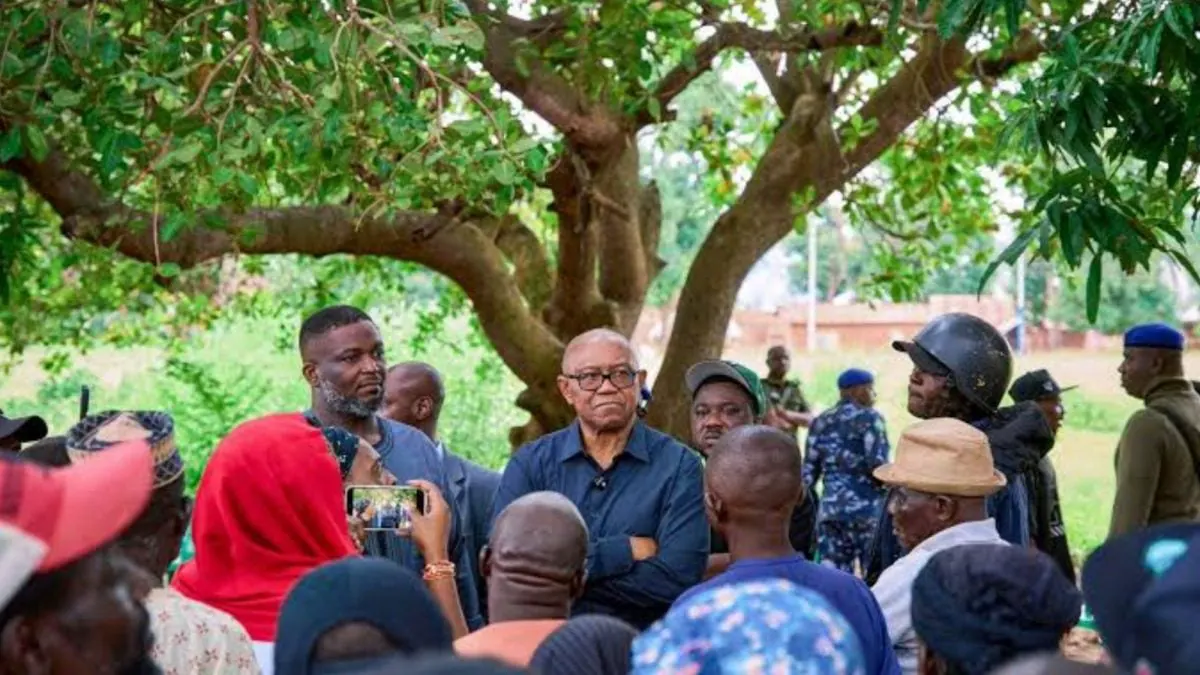
The NDC candidate promised to remain accessible and physically present in Nigeria, ensuring that Nigerians would not have to search for him while he was president. He criticized restrictions allegedly placed on campaign activities in some states, arguing that candidates should be allowed to campaign regardless of their opponents' political affiliations. Obi cited his experience as Anambra governor, where he allowed political opponents to campaign in the state and provided support for their activities.
Obi recalled giving then-Lagos State Governor Babatunde Fashola his official vehicle and convoy when Fashola visited Anambra to campaign. He also accompanied former President Olusegun Obasanjo during a campaign for another candidate in the state, despite their political differences. Obi rejected claims concerning Anambra State's debt under his administration, insisting that he did not obtain loans or issue bonds through financial institutions during his eight years in office.
According to Obi, Anambra's foreign debt stood at about $18 million when he assumed office and rose to about $30 million by the time he left in March 2014. He claimed that the state had more than $150 million in dollar-denominated savings invested in bonds when he left office. Obi challenged the current state government and other parties questioning his record to verify the figures with the World Bank and Nigerian banks.
Obi dismissed suggestions of a dispute with Governor Chukwuma Soludo, stating that they remain brothers and that he respects Soludo as the governor of his state. He also criticized President Bola Tinubu's prolonged absence from Nigeria, arguing that the physical presence of the president is important during periods of crisis. Obi disapproved of a reported campaign council of the Obedient Kwankwasiyya Movement, stating that he did not authorize the structure.
However, Obi expressed openness to discussions with other opposition figures, including negotiations that could involve a presidential candidate stepping aside if such discussions were aimed at strengthening the opposition and democratic process. He urged opposition parties to focus on securing free, fair, and credible elections, preventing violence, and campaigning on issues affecting Nigerians.
Key points
- Peter Obi pledges to work with opposition parties if elected president.
- Obi vows to take a hard line against electoral malpractice.
- Obi criticizes President Bola Tinubu's prolonged absence from Nigeria.