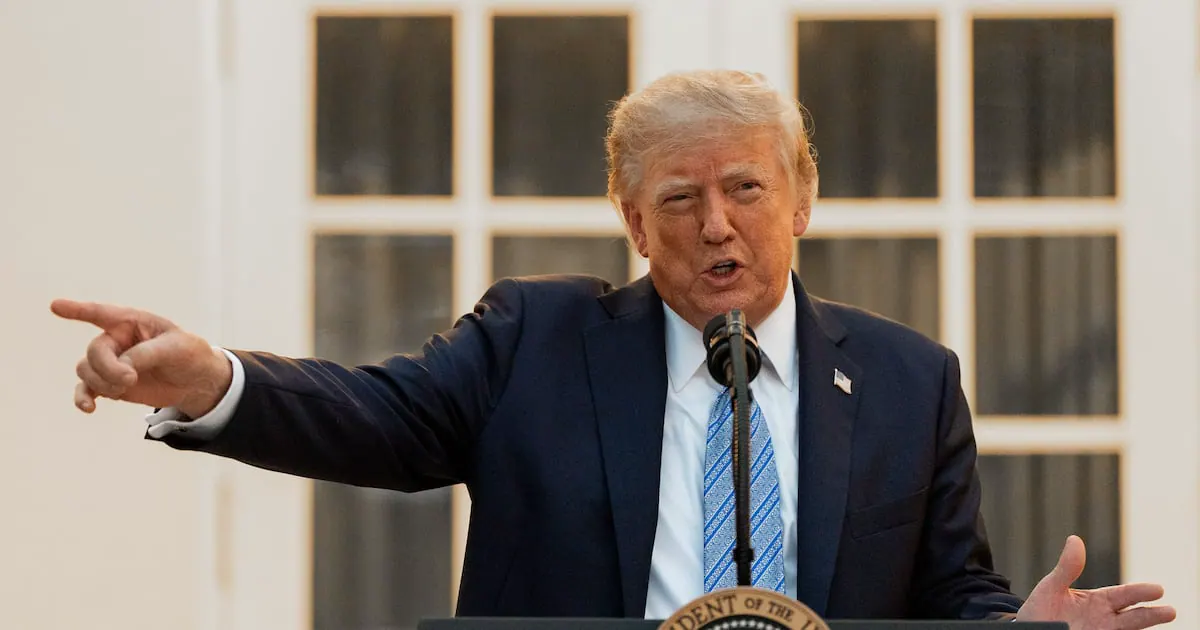
US President Donald Trump's administration has imposed visa bans on individuals allegedly responsible for racial laws discriminating against minorities in South Africa. The move has sparked controversy, with some arguing it is an attempt to exert pressure on the South African government to drop policies such as expropriation without compensation and black economic empowerment (BEE) requirements.
The US ambassador to South Africa, Brent Bozell, had been engaging with the South African government, securing a meeting with President Cyril Ramaphosa, which is unusual for an ambassador. However, the Trump administration's announcement of visa bans has strained relations between the two countries. Despite this, South Africa's foreign minister, Ronald Lamola, was able to travel to Washington, indicating that diplomatic channels remain open.
The US demands for improved relations with South Africa are well-known, including dropping expropriation without compensation, BEE requirements for US investors, denouncing the singing of "Kill the Boer," and making farm murders a priority crime. These demands were first outlined in a statement by Afrikaner leaders after meeting with senior White House officials last year.
The issue has sparked debate among South Africans, with some arguing that Trump's policies are driven by a lack of understanding of the country's complexities. Others believe that the US is entitled to its demands, given its significant investments in South Africa. The situation is further complicated by the global instability caused by Trump's policies, including the conflict with Iran.
The conflict with Iran has had far-reaching consequences, including increased energy prices and concerns about fuel supplies. The situation is also affecting global food security, with an extremely aggressive El Niño threatening much of the world later this year.
The global economic implications of Trump's policies are significant, with a gathering debt crisis emerging in the US and other countries. The US needs to raise over $12 trillion this year to repay its debt, and investors are increasingly turning to artificial intelligence (AI) for investment opportunities.
As the world navigates these complex challenges, South Africa's position is precarious. While some argue that the country should engage with the US to address its concerns, others believe that it should maintain its sovereignty and resist external pressure.
Key points
- The Trump administration's visa bans on South African individuals have strained relations between the two countries.
- The US demands for improved relations with South Africa include dropping expropriation without compensation and BEE requirements.
- The global instability caused by Trump's policies has significant implications for South Africa and the world at large.