The Ebola outbreak in the Democratic Republic of Congo's Tshopo province has led to varying perceptions among residents in Kisangani, the provincial capital. According to a recent survey by the Congolese press agency, many residents have a different understanding of the disease. One resident, Papy Kalonda, expressed concerns about the impact of Ebola on daily life, citing fear and uncertainty about the disease's spread. He emphasized the need for increased awareness and education to combat misconceptions.
Misconceptions about Ebola are widespread in Kisangani, with some residents believing it to be an invention by Western powers aimed at exterminating the Congolese population. Papy Kalonda, who recently returned from the Ebola-stricken province of Ituri, shared his concerns about the stigma faced by volunteers and healthcare workers. They are often accused of spreading the disease, which has led to hostility and aggression towards them. This has created a challenging environment for those working to contain the outbreak.
The Ebola outbreak has significantly affected daily life in Kisangani, with residents expressing concerns about the impact on their livelihoods. Papy Kalonda noted that the disease has disrupted economic activities, with people living in fear of contracting the virus. The restrictions on movement and gatherings have also affected social and economic interactions. Residents are calling for increased support and resources to help mitigate the effects of the outbreak.
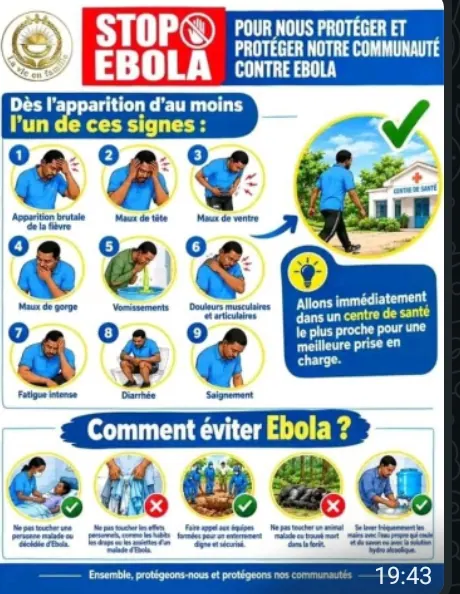
To combat the spread of Ebola, residents are advocating for increased awareness and education. Papy Kalonda emphasized the need for the media and humanitarian organizations to intensify their efforts in raising awareness about the disease. He also stressed the importance of implementing preventive measures, such as using personal protective equipment and practicing good hygiene. Additionally, he called for the availability of vaccines to be made accessible to the entire population.
The Congolese government and humanitarian organizations are working to respond to the outbreak. Efforts are underway to enhance awareness and education, as well as provide support to affected communities. The government has also deployed teams to work with local authorities to contain the spread of the disease. However, challenges persist, including the need for more resources and support to effectively combat the outbreak.
The situation in Kisangani highlights the complexities of responding to Ebola outbreaks in the region. The disease has a significant impact on local communities, and addressing misconceptions and stigma is crucial to containing its spread. By working together, residents, government officials, and humanitarian organizations can help mitigate the effects of the outbreak and prevent further transmission.
The response to the Ebola outbreak in Tshopo province requires a multi-faceted approach that addresses the medical, social, and economic aspects of the disease. By prioritizing awareness, education, and community engagement, it is possible to reduce the spread of Ebola and support affected communities. The situation in Kisangani serves as a reminder of the need for sustained efforts to combat the disease and promote public health in the region.
Key points
- Misconceptions about Ebola are widespread in Kisangani, with some residents believing it to be an invention by Western powers.
- The Ebola outbreak has significantly affected daily life in Kisangani, disrupting economic activities and social interactions.
- Residents are advocating for increased awareness, education, and access to vaccines to combat the spread of Ebola.