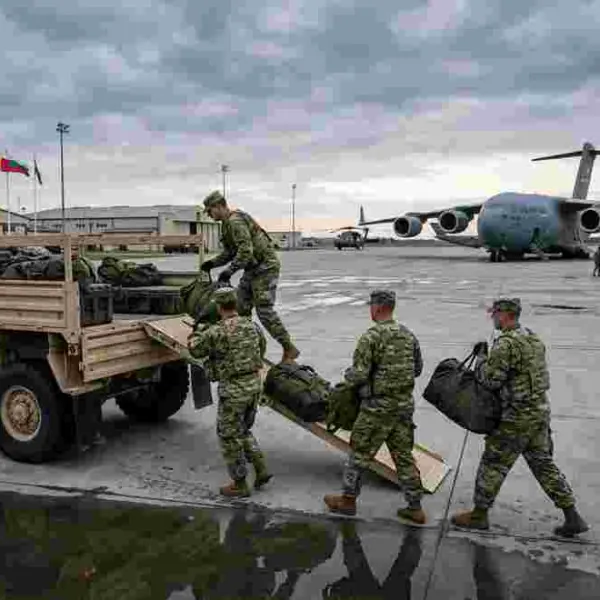
The Pentagon is examining options to reduce the number of US troops stationed in Europe, with proposals ranging from the withdrawal of at least 25,000 personnel to as many as 40,000. This review, launched earlier this year, is part of a broader effort to reassess the US military presence in Europe. The current US military posture in Europe has approximately 80,000 service members stationed on the continent.
The review covers not only troop numbers but also possible changes involving aircraft, naval forces, weapons systems, and the broader US military infrastructure in Europe. Countries such as Germany, Italy, and Spain could be affected, as they host some of the largest US military deployments on the continent. The discussions have raised concern among some NATO allies, particularly as European governments face continued security challenges related to Russia and the war in Ukraine.
The proposed reductions come amid a broader effort by the administration of President Donald Trump to encourage European allies to assume greater responsibility for their own defence. Washington has repeatedly pressed NATO members to increase defence spending and reduce their reliance on US military capabilities. US Defense Secretary Pete Hegseth ordered the European force review in June, and it is being led by senior Pentagon officials.
The assessment involves the US military command responsible for operations in Europe, with Gen. Alexus Grynkewich, commander of US European Command and NATO's Supreme Allied Commander Europe, expected to provide recommendations to Hegseth. A final recommendation is expected in November before being presented to Trump. The possible drawdown has also prompted debate in Washington, with Senator Jeanne Shaheen calling for US diplomats to be more closely involved in the review.
The Pentagon's review comes as Washington reassesses its global military priorities, with the administration's defence strategy placing greater emphasis on shifting resources toward other regions, including the Indo-Pacific. Despite this, the United States has continued to deploy forces to parts of Europe, such as Lithuania, which recently welcomed a new rotation of US troops as a sign of continued US engagement.
The review does not yet amount to a decision to withdraw US forces from Europe, with officials weighing several alternatives, including reducing forces, repositioning some units toward NATO's eastern flank, or maintaining different levels of military capability across the continent. Any substantial reduction would mark a significant change in the US military presence in Europe, which has remained a central component of NATO's collective defence structure for decades.
The ongoing review and potential troop reductions have significant implications for European security and NATO's ability to respond to emerging threats. As the situation continues to unfold, it remains to be seen how the US and European allies will adapt to the changing security landscape. The US military presence in Europe has been a cornerstone of the transatlantic relationship, and any changes will likely have far-reaching consequences.
Key points
- The Pentagon is considering withdrawal of up to 40,000 US troops from Europe.
- The review is part of a broader effort to reassess the US military presence in Europe.
- The proposed reductions have raised concern among some NATO allies.