The United States and its coalition partners have formally concluded Operation Inherent Resolve in Iraq, marking the end of a 12-year military campaign against the Islamic State group. The Pentagon announced that coalition forces and equipment had carried out an "orderly departure" from Erbil Air Base in Iraq's semi-autonomous Kurdistan region. This move is consistent with the September 2024 US-Iraq joint statement.
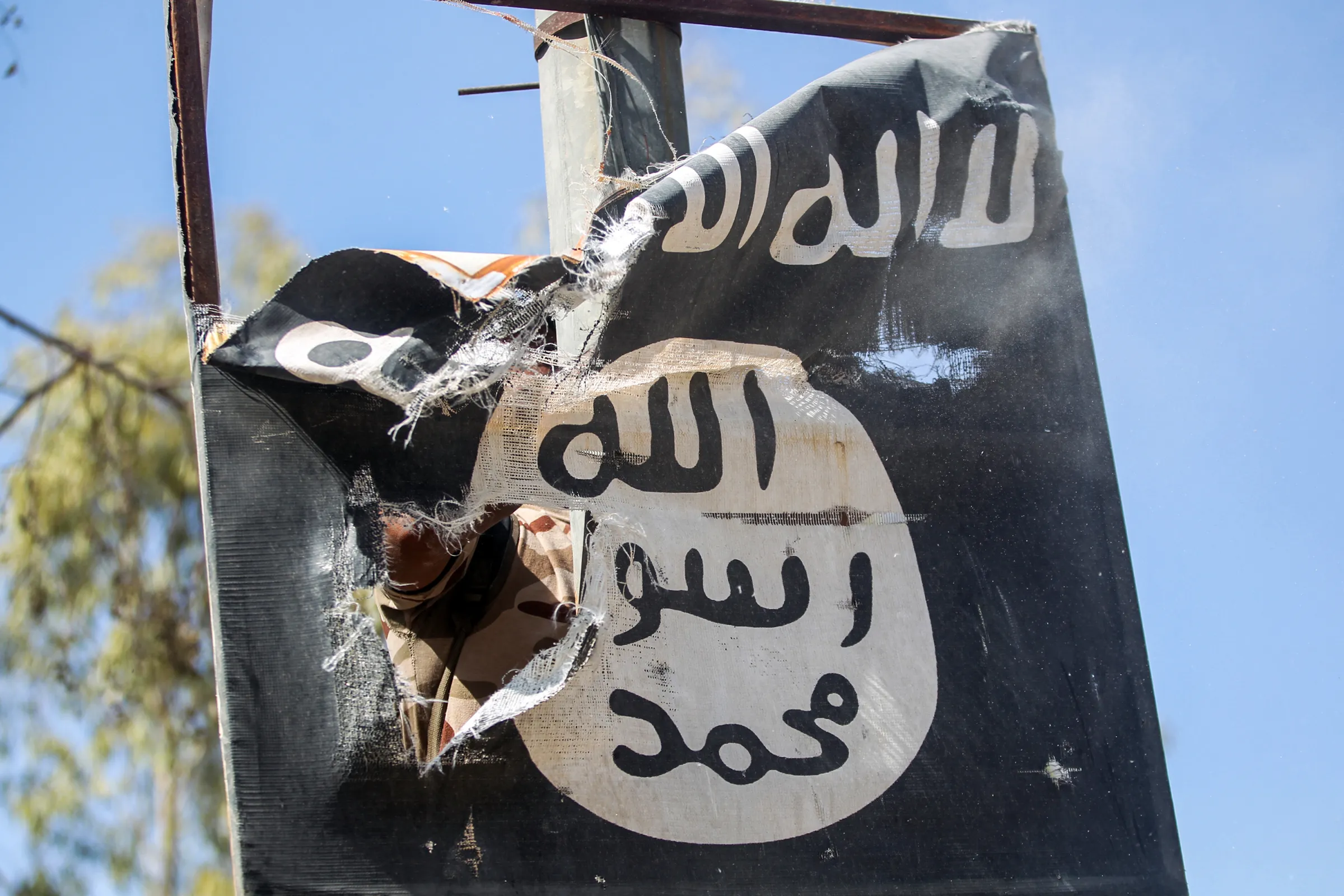
The withdrawal marks a significant milestone in the campaign against ISIS, which was defeated as an organized military threat in Iraq and across the region. Pentagon chief spokesman Sean Parnell stated that the departure reflects the success of a 12-year campaign and marks a transition from a wartime coalition mission to an Iraqi-led security effort supported by a more normal bilateral security relationship.
Primary responsibility for Iraq's remaining security challenges, including ISIS remnants and Iran-aligned militias, now rests with the government in Baghdad. The US intends to continue supporting its partners by providing targeted training and intelligence support to ensure ISIS "can never reconstitute from Iraqi territory." The Iraqi Security Forces, including the Peshmerga, are expected to lead the continuing effort.
The US-led coalition first invaded Iraq in 2003 to remove Saddam Hussein, a war that resulted in hundreds of thousands of civilian deaths, sectarian violence, and the eventual rise of ISIS. US personnel peaked near 170,000 in 2007 before an initial withdrawal in 2011, when the military presence stood under 40,000, and 4,400 American service members had been killed.
US President Donald Trump welcomed the exit, calling it "a victory for the United States, a victory for Iraq, and a decisive victory over ISIS." He described the Iraq war as a "quagmire" and "a very expensive excursion into Hell." However, Trump also falsely stated that Operation Inherent Resolve began with the 2003 invasion, which was actually Operation Iraqi Freedom that ended in 2010.
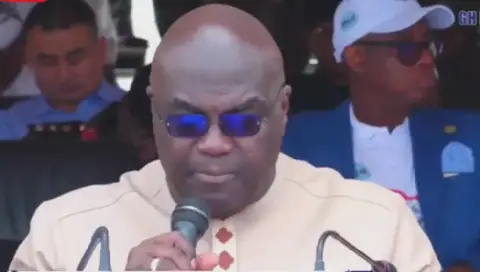
The task force overseeing anti-ISIS operations has relocated to Jordan, with hundreds of US troops still stationed in Syria. The Erbil base had hosted 1,500 coalition personnel before the pullout. Iraqi Prime Minister Ali al-Zaidi praised the withdrawal as the start of a new era and urged foreign investment. Kurdish officials, however, warned that it leaves their region exposed to Iranian strikes and a possible ISIS resurgence.
Despite the territorial defeat of ISIS, the group still maintains cells throughout Iraq and Syria, and Iraqi officials warn that it may seek to surge operations after the withdrawal. Retired Iraqi general Mohammed al-Juburi stated that the key question is whether Baghdad has prepared a plan for the new phase. The US will continue to provide support to Iraq to prevent ISIS from reconstituting.
Key points
- The US and coalition partners have concluded Operation Inherent Resolve in Iraq, marking a transition to an Iraqi-led security effort.
- The withdrawal reflects the success of a 12-year campaign that defeated ISIS as an organized military threat in Iraq and across the region.
- The US will continue to provide targeted training and intelligence support to Iraq to prevent ISIS from reconstituting.