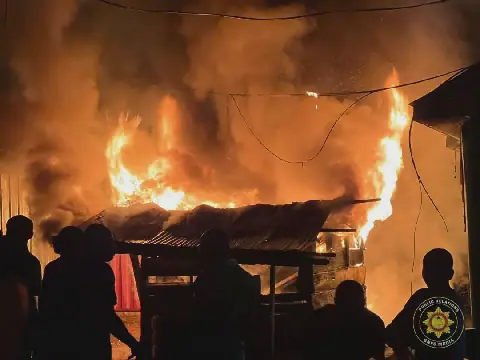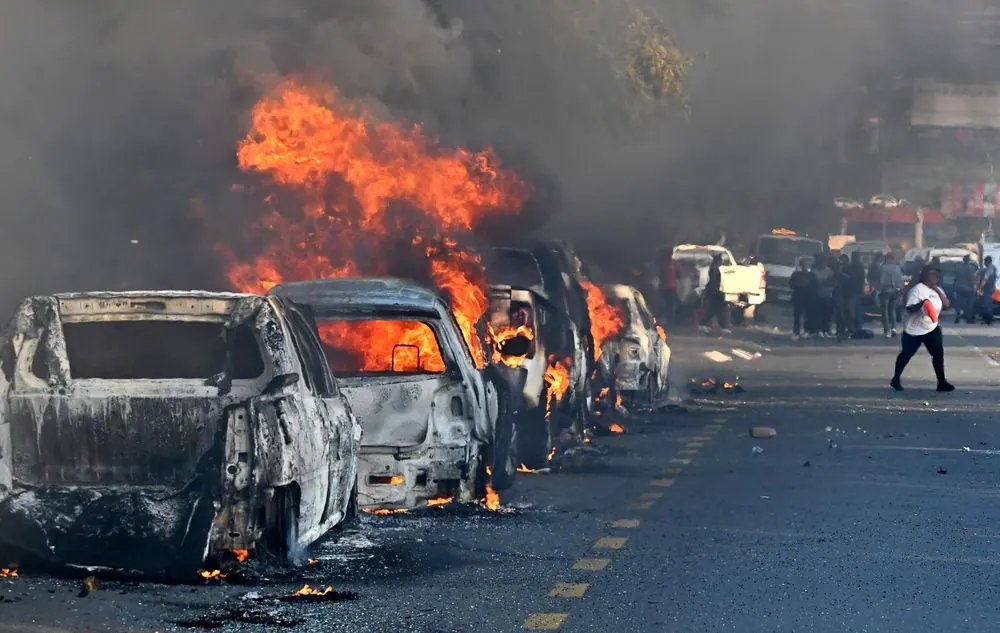
Peace activists in South Africa have expressed concerns that violent anti-migrant protests could put Indian and other minority groups at risk. The warning comes after an academic, Dr. Ria Chetty, urged Indians to join upcoming marches, sparking debate about the role of minority groups in addressing national issues. Last week, protests in Durban and Soweto turned violent, with cars torched and looting reported, amid claims that undocumented foreign nationals had been granted a blanket amnesty.
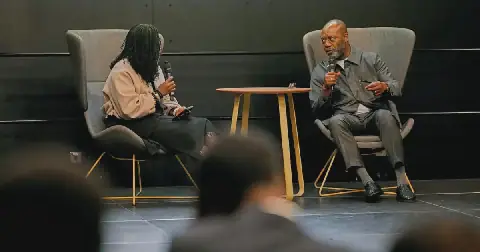
Dr. Chetty, a policing academic and founder of the 3rd Eye Civic Defence Institute, argued that Indians have a history of activism in South Africa and should participate in peaceful civic action. She cited the 1913 Great March led by Mahatma Gandhi, which saw thousands of Indian mineworkers and laborers protest against discriminatory laws. Chetty also highlighted the role of Indian leaders, such as Dr. Yusuf Dadoo and Dr. Monty Naicker, in forging alliances with the African National Congress.
However, Ela Gandhi, a peace activist and granddaughter of Mahatma Gandhi, disagreed with Chetty's call to action. Gandhi emphasized that while Indian participation in the struggle for South Africa's freedom has been well-documented, marches and protests have gained notoriety for violence and false information. She urged patriotic South Africans to engage in mindful behavior and not support protests that could harm individuals or perpetuate hatred.
Yeshelen Govender, provincial coordinator for the KZN Siyafana Sonke Action Campaign, also expressed concerns about the protests. Govender stated that the issues of service delivery, unemployment, and corruption would not disappear with the departure of migrant communities. She warned that targeting one minority group would lead to another being targeted, citing instances where protestors have told Indians to "go back to India."
Govender added that the lack of Indian involvement in the protests is primarily due to the violence and destruction that accompanies them. She praised Indian community leaders for understanding that their community cannot be used to legitimize violence against other minority groups. Govender emphasized that history has shown that once one minority is targeted, another is sure to follow.
The debate highlights the complexities of addressing national issues in South Africa, where xenophobia and violence have been prevalent. While some argue that minority groups should participate in peaceful civic action, others warn that this could put them at risk of targeting and violence. The issue remains a pressing concern, with many calling for mindful behavior and peaceful resolution.
The concerns expressed by peace activists and community leaders underscore the need for careful consideration and planning in addressing national issues. As the country grapples with challenges such as border management, service delivery, and corruption, finding peaceful and inclusive solutions will be crucial in promoting social cohesion and preventing violence.
Key points
- - Peace activists warn against violent anti-migrant protests in South Africa, citing risks of xenophobia and violence. - Dr. Ria Chetty urged Indians to join peaceful marches, citing their history of activism in South Africa. - Activists emphasize the need for mindful behavior and peaceful resolution in addressing national issues.