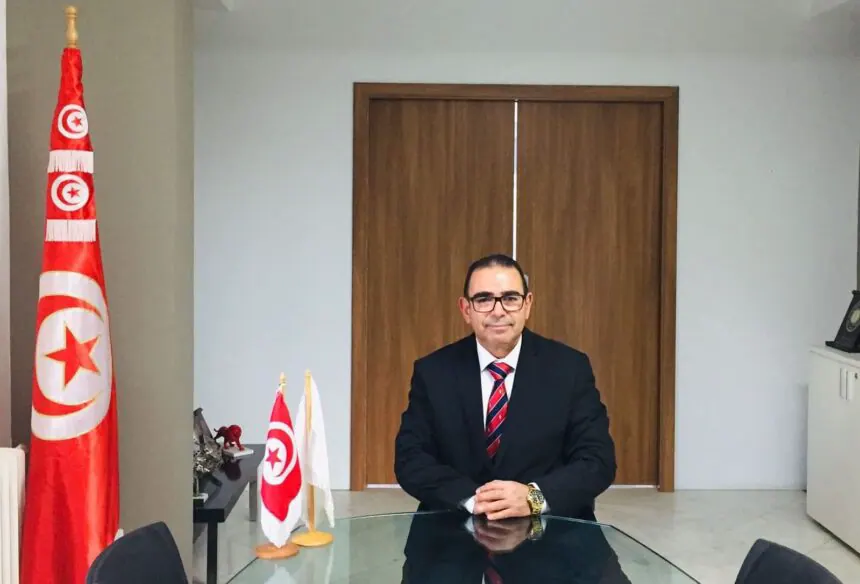
Tunisia's export potential to Africa is substantial, but its exploitation is hindered by logistical and payment challenges. According to Foued Guedich, president of Taste Tunisia and member of the CONECT executive bureau, the current international situation is pushing Tunisia to focus more on Africa. The continent offers considerable potential, but its exploitation is hampered by two major obstacles: logistics and payment. Guedich emphasizes that these are the two essential levers to improve Tunisia's export performance to African markets.
Guedich highlights that the situation in Africa is different from that with the European Union, where Tunisia faces not only tariff barriers but also non-tariff barriers such as carbon footprint requirements. These mechanisms are not directly visible during customs clearance but apply as soon as a container enters the European Union. The general trend is clearly protectionist. In contrast, Africa offers opportunities for Tunisian exporters, but they face difficulties in accessing the market due to payment challenges.
One of the significant challenges is the issue of payment in African countries, particularly those using the West African CFA franc, such as Côte d'Ivoire and Senegal. Guedich explains that Tunisian exporters require payment in euros or dollars, while their clients in Abidjan or Dakar need to buy euros to settle their invoices. However, Tunisian exporters need CFA francs to operate on the ground, which creates a paradox. The Tunisian banking system does not currently allow transactions in CFA francs.
To address this challenge, the African Continental Free Trade Area (ZLECAf) has established the Pan-African Payment and Settlement System (PAPSS), which enables transfers between African currencies. The Central Bank of Tunisia has adopted this mechanism, a significant step forward. However, its implementation is still limited, and the problem lies with the banks, which are the authorized intermediaries. Guedich stresses that convincing banks to apply the PAPSS is crucial to facilitating payments and fluidifying Tunisian exports to Africa.
Guedich emphasizes that the adoption of PAPSS by the Central Bank must be accompanied by efforts to convince banks to implement it. Although this may reduce certain commissions and gains for banks, the issue is essential for economic operators, exporters, and importers. Facilitating payments will boost Tunisian exports to Africa. He also highlights that, beyond payment, customs and logistics aspects are equally determining factors.
The ZLECAf has laid the groundwork for a continental mechanism, but these devices must now be effectively applied for Tunisia to seize the opportunities of the African market. Guedich stresses that Tunisia must focus on priority areas, including payment, customs, and logistics. The implementation of these mechanisms will enable Tunisian exporters to access the African market more easily and take advantage of the continent's growth potential.
In conclusion, Guedich emphasizes that the payment challenge is a significant hurdle for Tunisian exporters to Africa. The implementation of PAPSS and the involvement of banks are crucial to addressing this issue. With the right mechanisms in place, Tunisia can increase its exports to Africa and benefit from the continent's growth potential. The country's economic operators must work together to overcome the challenges and seize the opportunities offered by the African market.
Key points
- The implementation of the Pan-African Payment and Settlement System (PAPSS) is crucial to facilitating payments and fluidifying Tunisian exports to Africa.
- Logistical and payment challenges hinder Tunisia's export potential to Africa.
- The African Continental Free Trade Area (ZLECAf) has laid the groundwork for a continental mechanism to address these challenges.