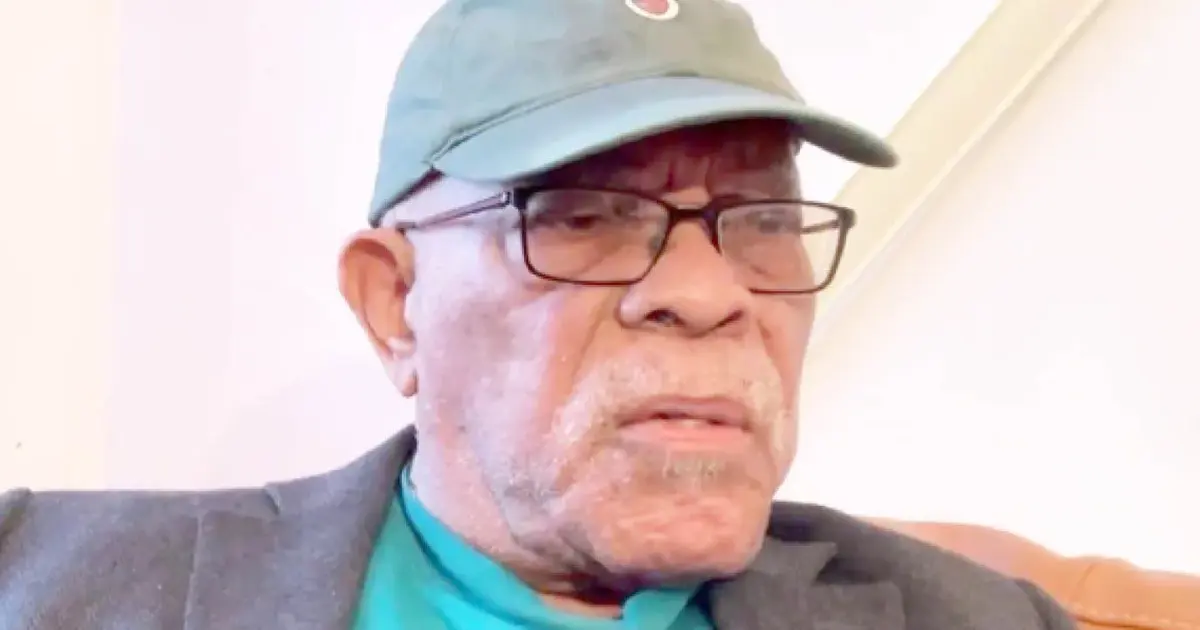
Dr. Patrick Wilmot, a Jamaican-born professor, was deported from Nigeria in 1988 after 18 years of teaching sociology at Ahmadu Bello University (ABU) in Zaria. His deportation was carried out by Nigerian security agents who reportedly removed him from his home without his shoes and passport. The military government of then Head of State, General Ibrahim Babangida, declared Wilmot a security threat, accusing him of being a "foreign spy."
Wilmot's involvement in Nigeria's academic and political landscape began in the post-independence era. He was invited to the country by northern political figures, including Aminu Kano and M.D. Yusuf, who introduced him to ABU's Vice Chancellor, Professor Ishaya Audu. Wilmot worked alongside influential Marxist scholars, including Yusuf Bala Usman and Jibrin Ibrahim. His supporters saw him as a fearless intellectual, while critics accused him of taking controversial positions on Nigeria's biggest political questions.
In 2023, Wilmot spoke about his involvement during the 1967-1970 Nigeria-Biafra War in an interview with Daily Trust. He claimed to have worked with Nigerian intelligence officials to prevent France from recognizing Biafra and providing support to the separatist movement. Wilmot's role during the civil war remains a subject of debate, especially among those who believe the Biafra struggle represented a fight for self-determination.
Wilmot's deportation in 1988 sparked widespread protests among students and academics, who argued that the government was targeting a respected lecturer due to his political opinions. His critics, however, defended the government's action, citing national security concerns. The episode occurred during Nigeria's military era, when freedom of expression and political opposition were heavily restricted.
More than 35 years after his deportation, Patrick Wilmot remains a divisive figure in Nigeria. To some, he represents a foreign intellectual who became deeply involved in the country's politics and conflicts. To others, he represents an academic who challenged power and paid the price for speaking openly. His story continues to reopen conversations about Nigeria's civil war and the unresolved issues surrounding ethnicity, federalism, and resource control.
The debate surrounding Wilmot's deportation is not only about one professor but also about Nigeria's complicated history and the wounds that many believe are yet to fully heal. Wilmot's views on Nigeria's political structure and the Biafra question continue to generate strong reactions. His 2007 book, "Interventions VI: Nigeria: The Nightmare Scenario," also shed light on his experiences and perspectives on Nigeria.
The controversy surrounding Patrick Wilmot's deportation and his involvement in Nigeria's civil war continues to spark discussions about the country's past and present. As a prominent figure in Nigeria's academic and political history, Wilmot's legacy remains a topic of interest and debate. His story serves as a reminder of the complexities and challenges that Nigeria has faced, and the ongoing efforts to address these issues.
Key points
- Patrick Wilmot's deportation from Nigeria in 1988 was a result of his alleged involvement in efforts to stop foreign support for Biafra during the Nigeria-Biafra War.
- Wilmot's role during the civil war remains a subject of debate, especially among those who believe the Biafra struggle represented a fight for self-determination.
- The debate surrounding Wilmot's deportation continues to reopen bigger conversations about Nigeria's civil war, ethnicity, federalism, resource control, and the country's political structure.