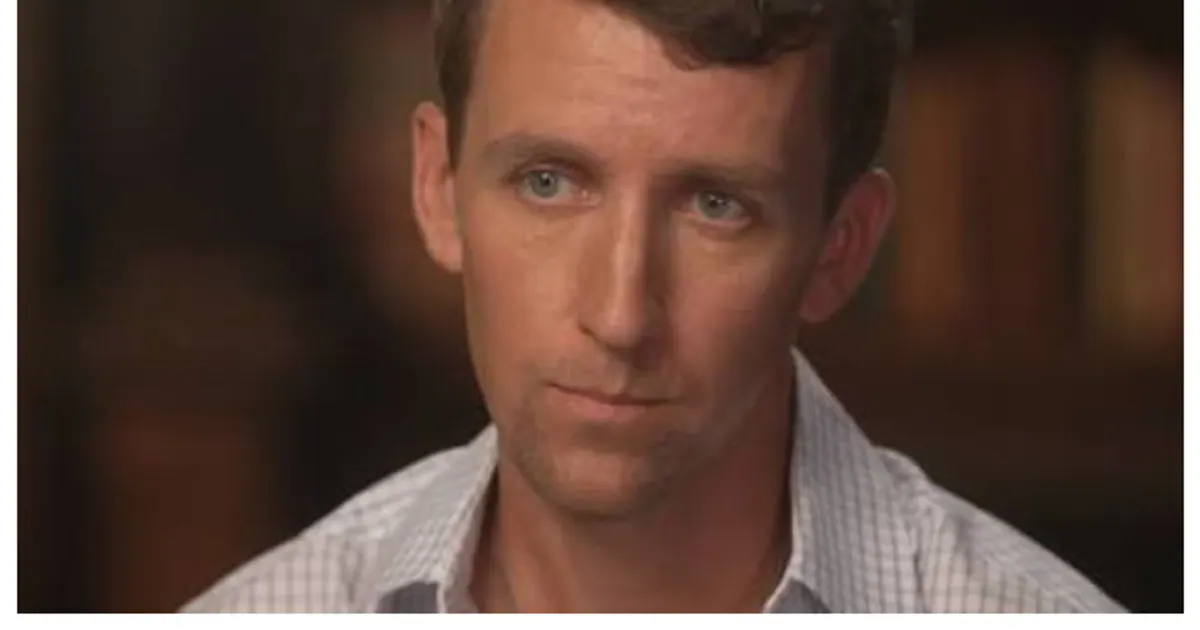
Patrick Clancy, the father of three children killed by their mother Lindsay Clancy, has spoken about his grief and decision to forgive her in his first televised interview since her trial ended in a mistrial. In an interview with CBS's 60 Minutes, Patrick revealed that he forgave Lindsay because he believed her mental illness caused the deaths and feared that hatred would consume him if he didn't let go. He recalled thinking, "Just give me one. Just give me one kid, and I would raise him as best I could. I'd tell him about his brother and sister."
On January 24, 2023, Patrick returned to the family's home in Duxbury, Massachusetts, to find that his three children had been strangled; Cora, 5, and Dawson, 3, were already dead, while their eight-month-old brother, Callan, was still alive and was rushed to Boston Children's Hospital. Patrick held on to hope that his youngest child might survive, and he spent four days beside him before Callan eventually died in his arms. During this time, Patrick also wrote tributes to each of his children because he was afraid they would be forgotten.
Patrick's decision to forgive Lindsay was motivated by his desire not to be consumed by hatred and anger. He said, "I saw headlines that said, you know, 'Killer Mom,' and 'Baby Murderer,' 'Monster,'" and added that none of these descriptions were accurate. Instead, he believed that Lindsay's mental illness caused her actions, and he chose to forgive her for his own sake. When asked whether Lindsay had ever asked him to forgive her, Patrick replied, "No. But I gave it to her."
Lindsay's trial ended in a mistrial in September when the jury failed to reach a unanimous verdict on whether she was criminally responsible for the deaths. Her lawyers argued that she was suffering from severe postpartum psychosis and had lost contact with reality, while prosecutors disputed this explanation, arguing that Lindsay's actions showed planning and that she understood what she was doing. The case remains unresolved.
After the deaths, Patrick's entire sense of purpose disappeared, and he struggled to cope with his grief. He said, "There was no family routine, no bedtime stories, no purpose," and at one point, he didn't expect to live much longer. Eventually, he left Duxbury and moved to New York City, where he hoped to grieve away from the attention surrounding the case. He has since found ways to keep his children's memories present, including keeping their toys and personal belongings around his home.
Patrick has also found ways to honor his children's memories, including the creation of a playground in Duxbury in their memory. He still dreams about them, including a dream in which his daughter Cora walked into the kitchen and gave him a hug. However, during Lindsay's trial, Patrick faced criticism on social media, with some accusing him of being uncaring, unfaithful, or even responsible for his children's deaths. Patrick rejected these claims, saying they were "deeply harmful to the legacy of my children."
Patrick's story highlights the importance of perinatal mental health and the need for greater awareness and support. He emphasized that his decision to forgive Lindsay was separate from the court's question of criminal responsibility and that he hopes his story can help raise awareness about the importance of mental health support for new mothers. By sharing his story, Patrick hopes to keep his children's memories alive and to help prevent similar tragedies in the future.
Key points
- Patrick Clancy forgave his ex-wife Lindsay for killing their three children because he believed her mental illness caused the deaths and feared hatred would consume him.
- Lindsay's trial ended in a mistrial when the jury failed to reach a unanimous verdict on whether she was criminally responsible for the deaths.
- Patrick has found ways to honor his children's memories, including keeping their toys and personal belongings around his home and the creation of a playground in Duxbury in their memory.