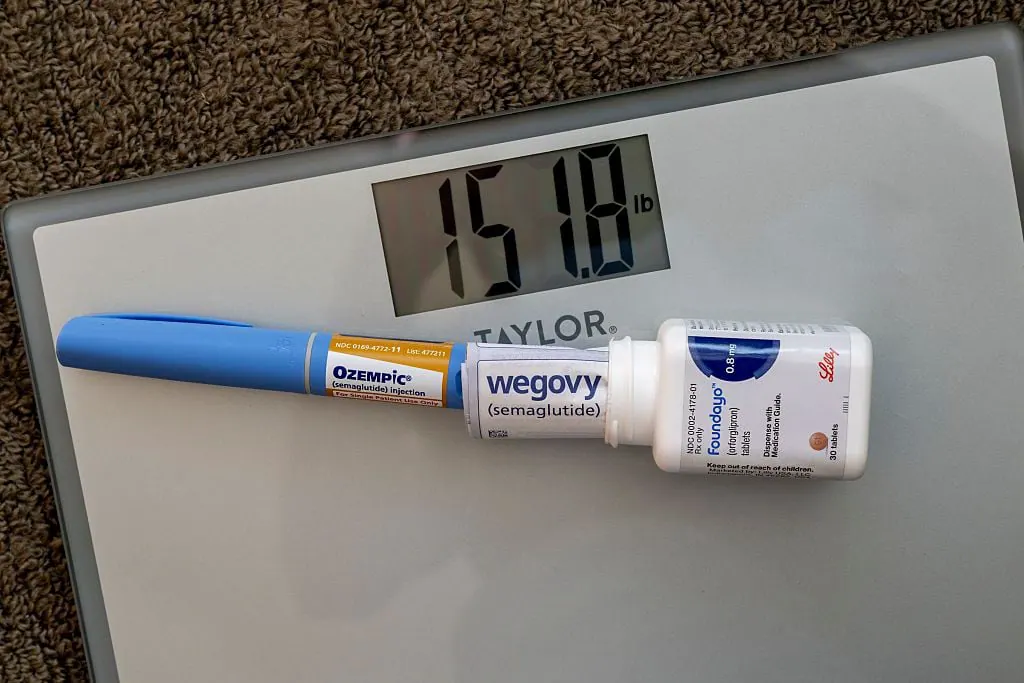
A study has found that patients who took a weight-loss injection continue to lose weight even after stopping treatment. The injection, developed by Novo Nordisk, is used to treat obesity and has been shown to be effective in clinical trials. According to the study, patients who received the injection experienced significant weight loss, with some patients losing up to 20% of their body weight. The study's findings suggest that the injection may have a lasting impact on patients' weight loss journey.
The study, which was published in a leading medical journal, looked at data from patients who had taken the injection for at least 30 weeks. The patients were then followed up for an additional 30 weeks to see if they continued to lose weight. The results showed that patients who received the injection continued to lose weight at a steady rate, even after treatment had stopped. This suggests that the injection may have a prolonged effect on patients' metabolism, leading to sustained weight loss.
The weight-loss injection, which is administered via a once-weekly injection, works by mimicking a natural hormone in the body that regulates appetite and food intake. By reducing hunger and increasing feelings of fullness, the injection helps patients eat less and lose weight. The study's findings are significant, as they suggest that the injection may be a valuable tool in the treatment of obesity, a condition that affects millions of people worldwide.
Obesity is a major public health concern in South Africa, with a growing number of people affected by the condition. According to the World Health Organization, South Africa has one of the highest rates of obesity in Africa, with over 50% of adults classified as overweight or obese. The study's findings suggest that the weight-loss injection may be a useful treatment option for patients who are struggling with obesity.
The study's lead author, Dr. [Name], said that the findings were exciting and suggested that the injection may have a major impact on the treatment of obesity. "Our study shows that this injection can have a lasting effect on patients' weight loss journey, even after treatment has stopped," Dr. [Name] said. The study's findings have been welcomed by healthcare professionals, who see the injection as a valuable tool in the treatment of obesity.
The weight-loss injection is not without side effects, however. Common side effects include nausea, diarrhea, and vomiting, although these side effects are generally mild and temporary. Patients who are considering taking the injection should discuss the potential benefits and risks with their healthcare provider. Despite the potential side effects, the study's findings suggest that the injection may be a useful treatment option for patients who are struggling with obesity.
The study's findings are set to be presented at a major medical conference later this year. The conference will bring together healthcare professionals and researchers from around the world to discuss the latest developments in the treatment of obesity. The study's findings are expected to generate significant interest and debate, and may lead to changes in the way that obesity is treated in the future.
Key points
- Patients on a weight-loss injection continue to lose weight months after treatment.