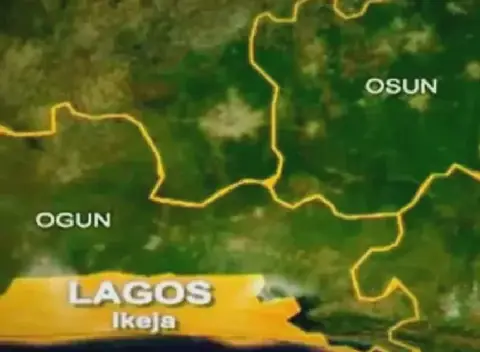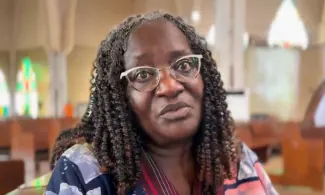
Nigerian pastor and peace advocate Esther Ibanga has spoken about the lasting impact of the Dogo Nahawa massacre on her life and the North-Central region of Nigeria. The massacre occurred on March 7, 2010, when armed herders attacked the predominantly Christian village of Dogo Nahawa and surrounding settlements near Jos, Plateau State, killing hundreds of people. Ibanga, founder of the Women Without Walls Initiative, described the situation as a "heavy burden" that has affected every aspect of life in the region.
Ibanga was among the women who led a march following the massacre, calling for justice and peace in the region. However, her own family house was subsequently burnt down by Muslims in a reprisal attack. She recalled that the experience had left her and many others in the North-Central region living in fear and insecurity. According to Ibanga, people across the region have either suffered attacks themselves or know someone close to them who has been affected by terrorism.
The Dogo Nahawa massacre was a brutal and devastating attack that occurred in the early hours of the morning. Armed men surrounded the sleepy village of Dogo Nahawa, as well as the neighbouring villages of Ratsat and Zot, firing guns into the air and setting mud huts on fire. Residents were attacked with machetes and knives as they tried to flee their homes. The assault is widely understood to have been a reprisal attack, following severe inter-communal and sectarian violence that occurred earlier in January 2010 in nearby Kuru Karama.
Ibanga highlighted the impact of insecurity on economic activities, social relations, and religious life in the North-Central region. She stated that the government had not done enough to protect residents, particularly those living in rural communities. Whole communities have been wiped out, and many farmers can no longer safely access their farms due to attacks. Ibanga cited the case of a Benue delegate, Pastor Barnabas, who survived an attack while working on his farm.
The pastor stressed that the violence was not merely a historical problem, but an ongoing crisis affecting communities in the region. She emphasized that the situation has wrecked the economy, social life, and spiritual life of the people. Ibanga also noted that the insecurity has taken a toll on farming, with many farmers unable to access their farms due to fear of attacks.
Ibanga is the founder of Women Without Walls Initiative and a recipient of the 32nd Niwano Peace Prize for her efforts to promote peace and reconciliation among people of different ethnic and religious backgrounds in Jos, Plateau State. She has been advocating for peace and justice in the region for over two decades. Ibanga's personal experience of losing her family house has not deterred her from continuing to speak out against violence and insecurity.
The Dogo Nahawa massacre and its aftermath continue to have a lasting impact on the North-Central region of Nigeria. Ibanga's story is a testament to the resilience and courage of the people in the face of adversity. Her advocacy work continues to inspire others to join the fight against violence and insecurity in the region.
Key points
- The Dogo Nahawa massacre had a profound impact on Pastor Esther Ibanga's life and the North-Central region of Nigeria.
- Insecurity has affected every aspect of life in the North-Central region, including the economy, social life, and religious activities.
- The government has been criticized for not doing enough to protect residents, particularly those living in rural communities.