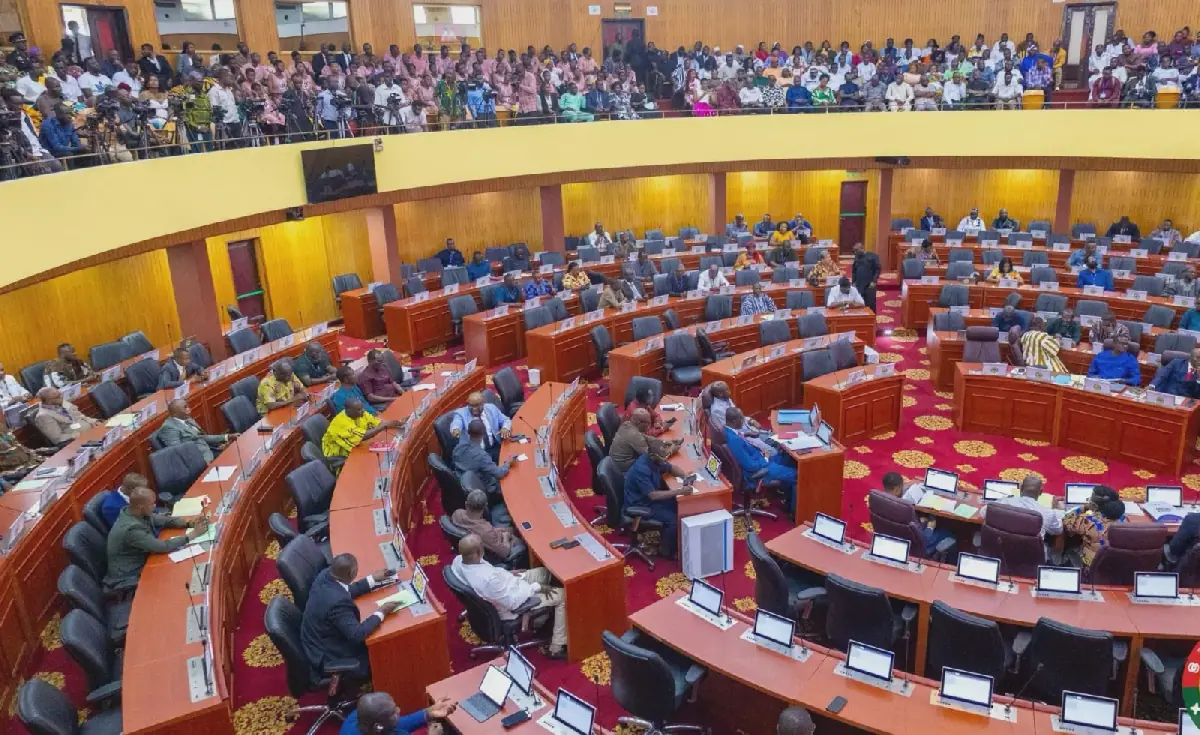
The Parliament of Ghana is set to fully implement a Biometric Attendance System during the Third Meeting of the Second Session of the Ninth Parliament. This initiative aims to ensure accurate and reliable records of Members of Parliament (MPs). Speaker of Parliament, Alban Sumana Kingsford Bagbin, announced this in his opening address on the floor of the House on Tuesday, November 3, 2026.
So far, 258 MPs have been enrolled onto the electronic attendance system, and the Speaker has encouraged the remaining members to comply with the directive. The traditional manual attendance register will no longer be circulated for MPs to sign. The biometric system is intended to promote discipline, accountability, and transparency in the attendance records of lawmakers.
In addition to the biometric attendance system, each MP will be assigned a designated seat in the Chamber for parliamentary business. Contributions made by a legislator seated at an undesignated position will not be recognised, and such a member will not be permitted to speak on the floor of the House. This move aims to enhance the organisation and efficiency of parliamentary proceedings.
The Speaker also announced plans by the Parliamentary Service to pilot and deploy an electronic voting system. This system aims to minimise errors associated with manual voting processes. According to the Speaker, a digitally enabled Parliament will enhance the quality of legislative business and improve operational efficiency.
The legislative agenda for the meeting includes the consideration of the Government’s 2027 Budget Statement and Economic Policy. Parliament will dedicate a significant portion of its work to this and spend about eight weeks scrutinising the budget proposals. The House will also consider various other business, including Bills, legislative instruments, papers, referrals, motions, and questions.
During the meeting, Parliament is expected to consider 11 Bills, nine legislative instruments, 44 papers, and 583 referrals. The House will also take up 58 motions, 204 outstanding questions, and one petition as part of its business schedule for the session. The Speaker expressed confidence that with the cooperation of all members, Parliament will efficiently discharge its constitutional mandate.
The Speaker called on both the Majority and Minority Caucuses to embrace consensus-building and dialogue, devoid of partisan considerations, in advancing the national interest. He urged members to conduct parliamentary business in a spirit of cooperation, mutual respect, and understanding. This approach is expected to strengthen democratic governance in the country.
Key points
- Parliament to fully implement biometric attendance system for MPs to ensure accurate records.
- The House to consider 11 Bills, nine legislative instruments, and 44 papers during the meeting.
- Parliament to dedicate eight weeks to scrutinising the 2027 Budget Statement and Economic Policy.