The Nairobi County government has urged parents to limit their children's screen time during the December school holiday, encouraging more outdoor play to prevent avoidable childhood eye problems. Eye specialists warn that prolonged use of phones, tablets, and televisions can contribute to eye strain, dry eyes, and short-sightedness among children. Environmental factors such as dust, smoke, pollution, and overcrowded living conditions can also increase the risk of eye irritation and allergic reactions.
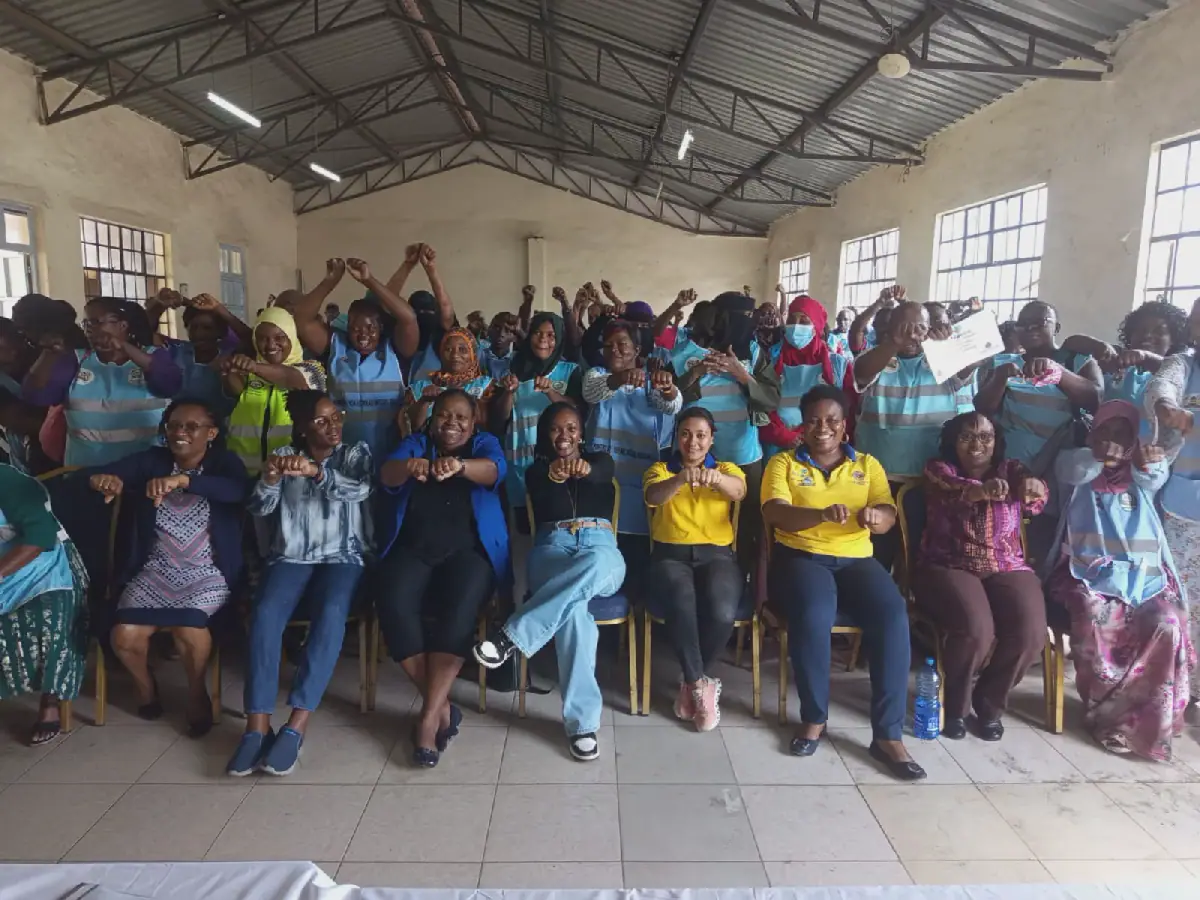
The county government, in partnership with the Sight for Kids Programme at Lions SightFirst Eye Hospital, is training Community Health Promoters (CHPs) to identify common eye conditions, educate families, and support timely referrals for treatment. The training, which is being conducted at California Resource Centre in Kamukunji, aims to equip CHPs with practical eye health knowledge to bring eye care closer to families. Nairobi County Executive Committee Member for Health, Wellness and Nutrition, Ms. Suzanne Silantoi, emphasized the importance of early detection in protecting children's vision.
The programme will train all 7,820 Community Health Promoters across Nairobi in two phases. The first cohort of 3,730 CHPs from Dagoretti, Kamukunji, Embakasi, and Lang'ata sub-counties is currently undergoing training, with the second phase scheduled in the coming months. The initiative supports the Nairobi City County Early Childhood Development (ECD) Programme, which seeks to ensure children receive the health, nutrition, care, and learning support they need to reach their full potential.
According to Dr. Carol Ngunu, Director of Preventive and Promotive Health Services, early screening, referral, and treatment lead to better outcomes for eye health. The training is being implemented through the global Sight for Kids programme, a collaboration between Johnson & Johnson Vision, Lions Clubs International Foundation, and Lions SightFirst Eye Hospital. The programme aims to address stigma around eye health and expand access to screening services in schools.
Tanvi Shah, Sight for Kids Chairperson and Head of Optometry Services at Lions SightFirst Eye Hospital, noted that common conditions affecting children include uncorrected refractive errors, allergic eye diseases, congenital conditions such as cataracts, and retinal disorders, as well as injuries that are not treated in time. The training equips CHPs to recognise warning signs that often go unnoticed and provide guidance to families.
Evelyne Mbogori, Nairobi County Eye Services Coordinator, emphasized that increasing screen use among children has become a growing concern, particularly during school holidays when many spend long hours indoors. Parents need to be intentional about managing screen time, as excessive exposure can lead to headaches, eye strain, and dry eyes. Children also need opportunities to spend time outdoors, as sunlight and active play support healthy development.
Health officials say delayed detection remains one of the greatest threats to children's eye health. Many vision problems can be corrected or effectively managed if identified early, helping children learn, participate in school, and reach their full potential. The WHO estimates that 19 million children worldwide are visually impaired, 12 million of them from refractive errors that can be diagnosed and corrected, and 1.4 million are irreversibly blind.
Key points
- Nairobi County trains Community Health Promoters to identify eye conditions and educate families on limiting children's screen time.
- Eye specialists warn of risks associated with prolonged screen time among children, including eye strain and short-sightedness.
- Early detection and treatment of eye conditions can help prevent long-term vision problems and support children's healthy development.