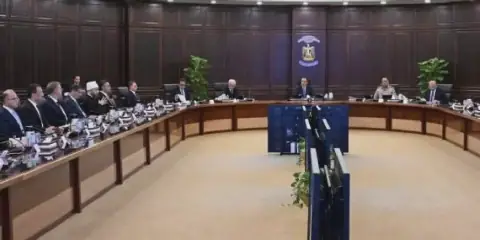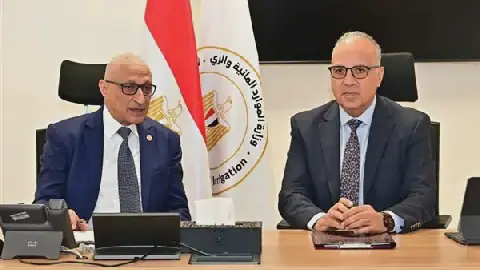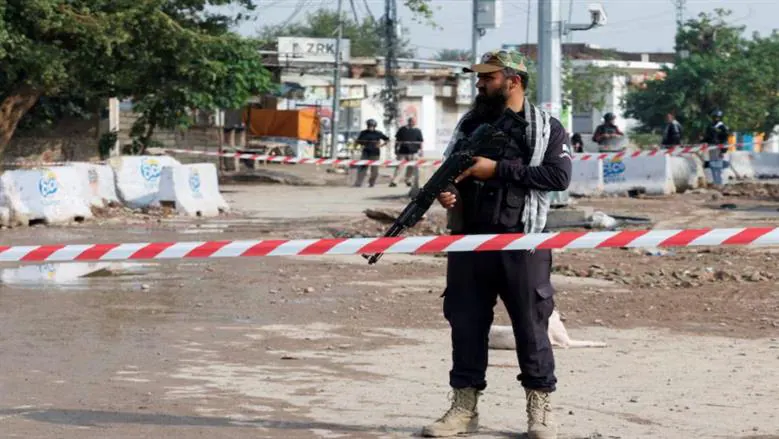
Pakistan's President Asif Ali Zardari has taken the decision to suspend the government of Khyber Pakhtunkhwa province, a move that has escalated tensions in the country. The decision was made after a recommendation from Prime Minister Shahbaz Sharif, following a meeting of the federal cabinet. The suspension comes as a result of what the government describes as the provincial government's failure to tackle militant Islamist groups.
The province of Khyber Pakhtunkhwa, located in northwest Pakistan, is a stronghold of Khan's Pakistan Tehreek-e-Insaf (PTI) party. Khan, who is currently in jail, has been at the center of a power struggle with the federal government. His party has been organizing protests and rallies to demand his release, threatening to march on the capital, Islamabad.
According to the President's office, the decision to suspend the provincial government was made under the provisions of the constitution, which allows the federal government to take over some or all of the functions of a provincial government during a state of emergency. However, the exact mechanism of how the province will be administered has not been clarified.
The move has been met with criticism from Khan's party, with Zafar Ali Shah, a close aide to Khan and spokesperson for the PTI, describing the decision as "absurd". Shah argued that the decision will only lead to more bloodshed, instability, and collateral damage, and that there was always room for negotiations, but the government's decision has shown that talks were never an option.
The crisis in Pakistan has been escalating over the past few weeks, with Khan's party and the federal government locked in a bitter dispute. Khan was arrested on corruption charges, which his party claims are politically motivated. The PTI has been organizing protests and rallies across the country, demanding Khan's release and calling for the government to step down.
The international community has expressed concern over the developments in Pakistan, with several countries and international organizations calling for calm and restraint. The situation remains volatile, with many fearing that the crisis could spiral out of control and lead to widespread instability.
The decision to suspend the provincial government has raised questions about the future of Pakistan's democratic institutions and the rule of law. The country has a history of military interventions and political instability, and many are worried that the current crisis could lead to a further erosion of democratic norms and values.
Key points
- Pakistan's President Asif Ali Zardari has suspended the government of Khyber Pakhtunkhwa province, citing the provincial government's failure to tackle militant Islamist groups.