Pakistani President Asif Ali Zardari has declared a state of emergency in the northwestern province of Khyber Pakhtunkhwa, following protests and unrest in the region. The move grants the central government extensive powers in the province, which is a stronghold of the Pakistan Tehreek-e-Insaf (PTI) party led by former Prime Minister Imran Khan. Khan has been in prison since 2023, facing charges of corruption, treason, and inciting violence.
The decision to impose emergency measures was made after the government failed to negotiate with PTI leaders and amid concerns over the deteriorating security situation in the province. According to the president's office, the move was taken in light of recommendations regarding the law and order situation and the failure of negotiations with government delegations. The emergency measures allow the central government to take control of law enforcement in the province.
Khyber Pakhtunkhwa is a key province for the PTI party, and the imposition of emergency measures is seen as an attempt to limit the party's influence in the region. Imran Khan's supporters have been protesting in the province, demanding his release and criticizing the government's handling of the economy. Khan has been denied medical treatment and access to his family, fueling anger among his supporters.
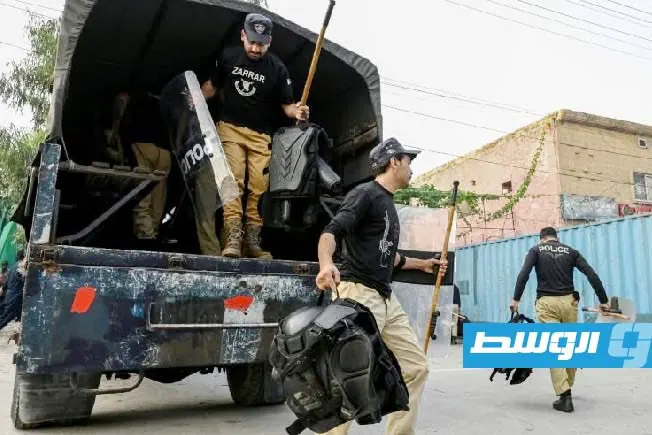
The protests in Khyber Pakhtunkhwa are part of a broader movement against the government, with PTI supporters demanding Khan's release and calling for early elections. The government has responded with force, leading to clashes between protesters and security forces. The situation in the province remains tense, with a heavy security presence in the capital city of Peshawar.
The emergency measures have been criticized by PTI leaders, who see them as an attempt to suppress the party's activities in the province. The move has also raised concerns among human rights groups, who fear that it could lead to further restrictions on civil liberties. The government has defended the move, saying it is necessary to maintain law and order in the province.
The crisis in Khyber Pakhtunkhwa is linked to a broader conflict between Pakistan and Afghanistan, with the Pakistani government accusing Afghanistan of harboring militant groups that are responsible for attacks in Pakistan. Afghanistan has denied these allegations, leading to a deterioration in relations between the two countries. The conflict has resulted in the deaths of civilians, including children.
The international community has expressed concern over the situation in Pakistan, with the United Nations calling for calm and restraint. The crisis is likely to have implications for regional stability, with Pakistan's neighbors and international partners watching the situation closely. The government's decision to impose emergency measures has raised questions about the country's democratic institutions and the rule of law.
Key points
- Pakistan's president declares emergency in Khyber Pakhtunkhwa province amid protests demanding Imran Khan's release
- The move grants the central government extensive powers in the province, which is a stronghold of the Pakistan Tehreek-e-Insaf (PTI) party
- The crisis is linked to a broader conflict between Pakistan and Afghanistan, with implications for regional stability