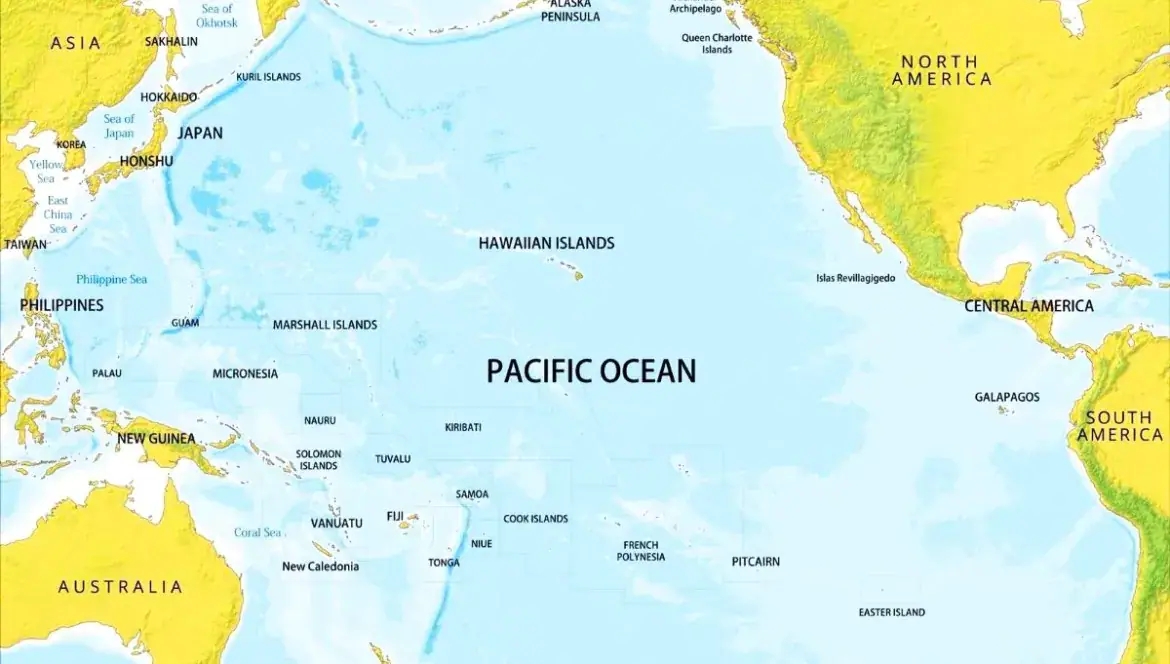
Pacific leaders are urging the world to support the "Blue Pacific Continent" by investing in region-led responses to rising seas, warming oceans, and extreme weather. They emphasize that they don't need saving, but rather investment on their own terms. This message will be brought to COP31, where leaders will stress that the fate of the Pacific and the planet are intrinsically linked. The Pacific Resilience Facility is one initiative being promoted to address these challenges.
The call for global support follows the adoption of the Taku Pakasoa Declaration at the Pacific Pre-COP on October 6. This declaration sets out shared priorities for climate action, including keeping the 1.5°C limit within reach, improving access to climate finance, strengthening community resilience, and protecting the ocean. Pacific leaders are seeking partnerships with the global community to achieve these goals. They believe that by working together, they can address the pressing climate challenges facing the region.
Tina Stege, the Republic of the Marshall Islands' COP31 Climate Envoy, emphasized that Pacific nations have solutions to offer, but cannot do it alone. She stressed the need for partnership with the global community to address the climate crisis. The Pacific Rising documentary, set to launch at COP31, showcases Pacific-led climate action and highlights the region's efforts to adapt to a changing climate. The film features communities drawing on generations of knowledge, science, and ingenuity to address these challenges.
The Pacific Ocean plays a critical role in regulating the global climate, covering 46 percent of the world's ocean surface. Changes in the Pacific can have far-reaching consequences, as seen in the El Niño event, which triggered extreme weather across the globe. Pacific leaders are urging the global community to support the "Blue Pacific Continent" by protecting the ocean, funding Pacific-led resilience, and supporting clean-energy futures.
The Pacific Rising documentary, narrated by Samoan-Australian actor Catherine Laga'aia, features stories from across the region, including Tuvalu, where Dr. Maina Talia is helping to raise land and protect ancestral homes. The film also highlights horticulturalists in Tonga adapting to shifting seasons and drier conditions. These stories demonstrate what Pacific-led climate action looks like on the ground.
Pacific leaders are seeking global support for four key areas: protecting the ocean through community-led conservation and sustainable fisheries; funding Pacific-led resilience, including adaptation and resilient infrastructure; supporting clean-energy futures with reliable renewable energy; and respecting Pacific leadership and recognizing Indigenous and customary stewardship. By working together, Pacific leaders believe that they can address the pressing climate challenges facing the region.
The fate of the Pacific and the future of the planet are intrinsically linked, Pacific leaders stress. They are urging the global community to back the "Blue Pacific Continent" and support Pacific-led efforts at COP31 and beyond. By doing so, the global community can help to address the pressing climate challenges facing the region and promote a sustainable future for all.
Key points
- Pacific leaders are urging the global community to support the "Blue Pacific Continent" by investing in region-led responses to rising seas, warming oceans, and extreme weather.
- The Pacific Rising documentary showcases Pacific-led climate action and highlights the region's efforts to adapt to a changing climate.
- Pacific leaders are seeking global support for four key areas: protecting the ocean, funding Pacific-led resilience, supporting clean-energy futures, and respecting Pacific leadership.
Reporting sources
- COP31: Leaders want the world to Back the Blue Pacific Continent, but on their own terms · The Tanzania Times – News from Tanzania, Africa, World, Breaking News, Weather, Environment and Climate Change