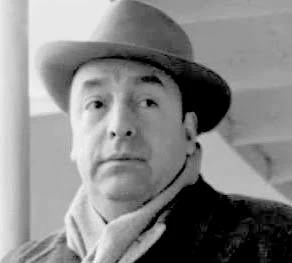
Pablo Neruda, a Chilean poet and politician, is considered one of the most influential literary figures of the 20th century. Born Ricardo Eliecer Neftalí Reyes Basoalto on July 12, 1904, in Parral, Chile, Neruda's life was marked by a passion for literature and politics. He began writing at a young age, publishing his first book of poetry, "Crepusculario," in 1923. Neruda's work was heavily influenced by his experiences during the Spanish Civil War, which he documented in his book "España en mi corazón" (Spain in My Heart).
Neruda's literary career spanned multiple genres, including poetry, novels, and memoirs. His most famous work, "Twenty Love Poems and a Song of Despair," was published in 1924 and catapulted him to international fame at the age of 20. Neruda's poetry was not only a reflection of his personal experiences but also a commentary on the social and political issues of his time. He was a vocal advocate for social justice and human rights, which earned him numerous awards and accolades, including the Nobel Prize in Literature in 1971.
Neruda's life was marked by periods of exile and persecution due to his political views. He was a member of the Chilean Communist Party and served as a senator from 1945 to 1948. However, his leftist views led to his expulsion from the Chilean Congress and forced him into exile. During this time, Neruda continued to write, producing some of his most famous works, including his epic poem "Canto General" (The General Song). This monumental work, published in 1950, is a sweeping narrative that explores the history of Latin America and the struggles of its people.
"Canto General" is a 15-chapter poem that consists of 249 cantos and over 13,000 lines of verse. The work is a testament to Neruda's skill as a poet and his commitment to social justice. The poem explores themes of love, politics, and history, and features a wide range of characters, from conquistadors and emperors to revolutionaries and ordinary workers. Neruda's work on "Canto General" spanned over a decade, and it is considered one of his most ambitious and enduring literary achievements.
Neruda's legacy extends far beyond his literary work. He was a cultural icon and a symbol of resistance against oppression. His poetry has been translated into numerous languages and has inspired generations of writers, artists, and activists. Neruda's commitment to social justice and human rights continues to inspire people around the world. In 2002, the Palestinian translator Saleh Almani published the first complete Arabic translation of "Canto General," introducing Neruda's work to a new audience.
Neruda's life was cut short on September 23, 1973, when he died of cancer in Santiago, Chile. His death was a shock to the literary world and sparked a wave of tributes and condolences. Neruda's legacy continues to be celebrated around the world, and his work remains a powerful testament to the enduring power of literature and activism. Despite the passage of time, Neruda's poetry and politics continue to inspire and influence new generations of writers, artists, and activists.
Neruda's impact on Arabic literature is significant, with many of his works being translated into Arabic. His poetry has been widely read and studied in the Arab world, and his influence can be seen in the work of many Arab writers and poets. Neruda's commitment to social justice and human rights resonates with readers in the Arab world, who have faced their own struggles with oppression and resistance. As a result, Neruda's work continues to be widely read and studied in the Arab world, and his legacy as a poet and activist remains strong.
Key points
- Neruda's epic poem "Canto General" is a sweeping narrative that explores the history of Latin America and the struggles of its people.
- Neruda's commitment to social justice and human rights continues to inspire people around the world.
- Neruda's legacy extends far beyond his literary work, and he remains a cultural icon and a symbol of resistance against oppression.