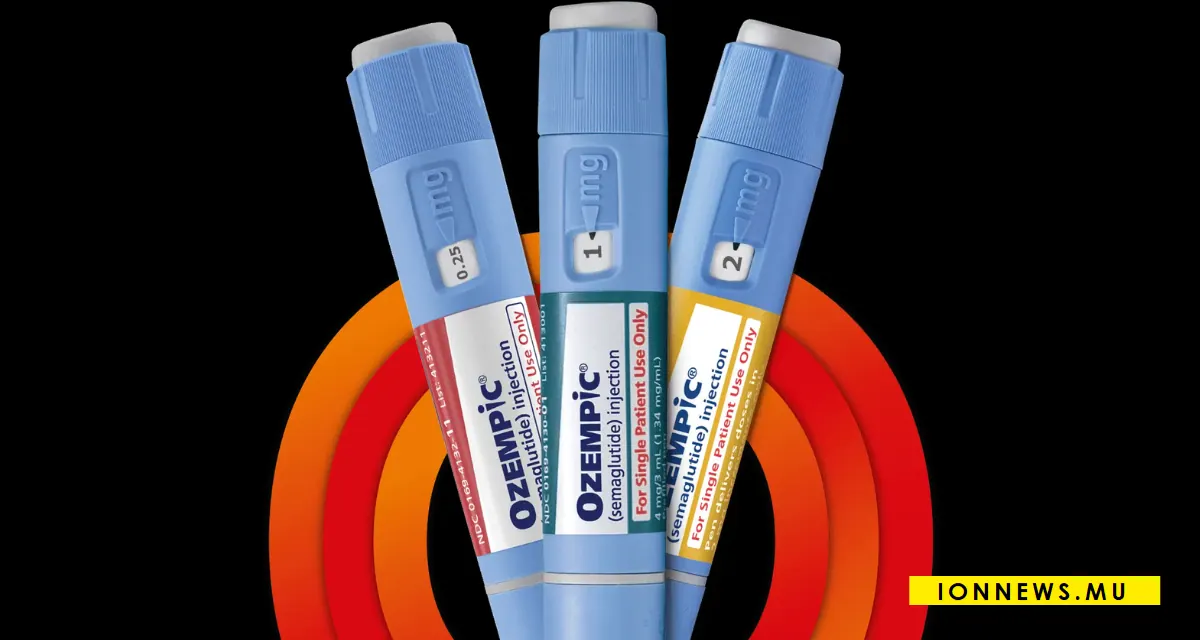
Ozempic, a medication originally designed by Novo Nordisk to treat type 2 diabetes, has become a cultural phenomenon due to its ability to facilitate significant weight loss. The treatment works by affecting brain receptors to reduce hunger and slow gastric emptying. However, health authorities and medical professionals are warning about the risks and misuse associated with its use.
The sudden popularity of Ozempic has led to a global shortage, prompting the World Health Organization (WHO) and the US Food and Drug Administration (FDA) to issue warnings. The diversion of the treatment for weight loss has resulted in a shortage for diabetes patients who rely on it as an essential medication. This shortage has also led to a thriving black market, with the WHO and European Medicines Agency (EMA) issuing alerts about counterfeit Ozempic products.
Medical professionals emphasize that Ozempic is not a harmless solution for weight loss. Studies, including a large investigation by the University of British Columbia published in JAMA, have highlighted that users of GLP-1 treatments are at a higher risk of severe digestive complications. These complications include chronic nausea and vomiting, gastroparesis, pancreatitis, and intestinal occlusion.
Researchers have also warned about the rebound effect associated with Ozempic use. Once injections are stopped, most users regain nearly all the weight they lost. In Mauritius, where diabetes prevalence is among the highest in the world, healthcare professionals are urging caution. They stress that no heavy medication should replace proper medical supervision and a balanced lifestyle.
The medical community in Mauritius and worldwide is advocating for a more cautious approach to Ozempic use. They emphasize that the treatment should only be used under proper medical supervision and for patients with a genuine therapeutic need. Unsupervised use of Ozempic can lead to serious health complications and may become a major public health issue.
The FDA has ordered updates to the warning labels on Ozempic to reflect the potential risks associated with its use. Meanwhile, the WHO and EMA continue to monitor the situation and issue alerts about counterfeit products. Patients and healthcare professionals are advised to be aware of the potential risks and to use Ozempic responsibly.
In conclusion, while Ozempic may offer benefits for some patients, its use must be approached with caution. Healthcare professionals and authorities are working to raise awareness about the potential risks and to prevent misuse of the treatment. By prioritizing responsible use and proper medical supervision, the risks associated with Ozempic can be minimized.
Key points
- The WHO and FDA have warned about the global shortage of Ozempic due to its popularity as a weight loss treatment.
- Medical professionals emphasize that Ozempic is not a harmless solution for weight loss and can lead to severe digestive complications.
- The rebound effect associated with Ozempic use can lead to users regaining nearly all the weight they lost once injections are stopped.