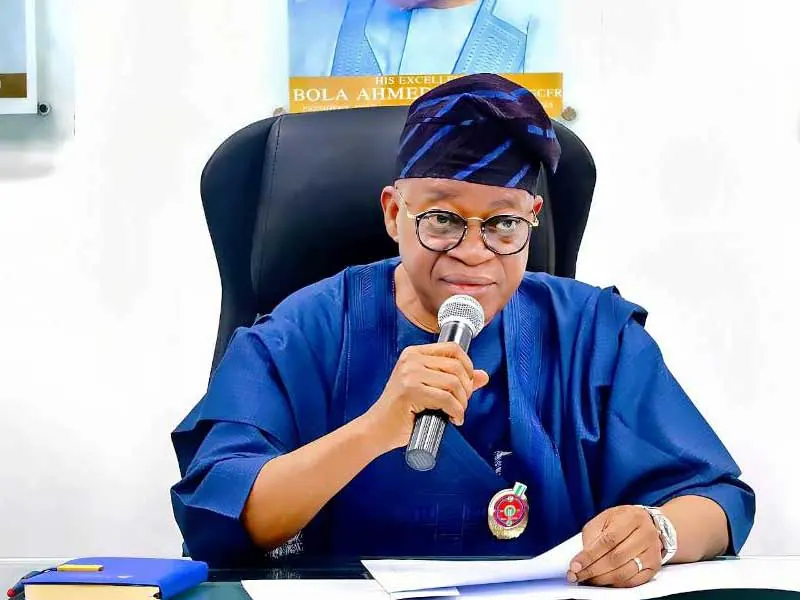
Nigeria's Minister of Marine and Blue Economy, Dr. Adegboyega Oyetola, has stated that comprehensive seaport modernisation is crucial to improving efficiency, capacity, and competitiveness across the country's transportation and logistics system. The minister made this statement at the 2024 Transport Industry Summit organised by the Transport Correspondents Association of Nigeria (TCAN) in Lagos. Oyetola was represented by the Director, Inland Transport Services, Nigerian Ports Economic Regulatory Agency, Mr. Paul Garnuwa.
The modernisation programme, which has been approved by President Bola Ahmed Tinubu, will cover several major ports, including Apapa and Tin Can Island Ports, Onne, Rivers, Calabar, and Warri ports. The programme involves major infrastructure improvements, including reconstructing quay walls, deepening channels, replacing obsolete cargo-handling equipment, and further digitalising terminal and gate operations. This move is expected to increase capacity, reduce vessel and cargo delays, lower logistics costs, and strengthen Nigeria's maritime gateways.
According to Oyetola, transportation logistics directly influence investment, production, trade, and employment through the cost, speed, reliability, and predictability of moving goods across Nigeria. He stressed that ports and waterways must function as interconnected components of the wider transport chain, alongside roads, rail, warehouses, and distribution networks nationwide. The minister also noted that the federal government is focusing on improving maritime infrastructure and efficiency to strengthen Nigeria's capacity to participate competitively in regional and global trade.
The Technical Adviser to Vice President Kashim Shetima on Transportation, Logistics and Innovation, Prince Segun Ochuko Obayendo, has urged the federal government to accelerate the transformation of Nigeria's transportation and logistics system. Obayendo called for greater integration of road, rail, waterways, ports, and other modes of transport, with technology and professional regulation to reduce the cost of moving people and goods. He made this statement at the same TCAN summit in Lagos.
Oyetola also announced that Nigeria would commence its most ambitious seaport modernisation programme in more than five decades. He said the programme was designed to increase capacity, reduce vessel and cargo delays, lower logistics costs, and strengthen Nigeria's maritime gateways. The minister noted that port delays affect manufacturers, exporters, transport operators, distributors, and consumers, stressing that inefficiencies at ports ultimately affect the entire logistics chain.
The minister also highlighted Nigeria's improving port performance, which has received international recognition through the 2025 Container Port Performance Index produced by the World Bank and S&P Global Market Intelligence. According to him, Tin Can Island Port ranked 10th, while Lagos Port Complex, Apapa, ranked 12th among the world's 20 most improved container ports between 2020 and 2025. Oyetola said this recognition was encouraging but reinforced the need to sustain reforms aimed at achieving shorter turnaround times and predictable cargo movement.
Furthermore, Oyetola announced the removal of the United States Coast Guard's Conditions of Entry on vessels arriving from Nigeria after 12 years of additional security requirements. According to him, the decision followed sustained efforts to strengthen cooperation and compliance with international maritime security standards. This development is expected to ease trade and transportation between Nigeria and the United States.
Key points
- Nigeria's seaport modernisation programme aims to increase capacity, reduce vessel and cargo delays, and lower logistics costs.
- The programme will cover several major ports, including Apapa and Tin Can Island Ports, Onne, Rivers, Calabar, and Warri ports.
- Nigeria's improving port performance has received international recognition through the 2025 Container Port Performance Index.