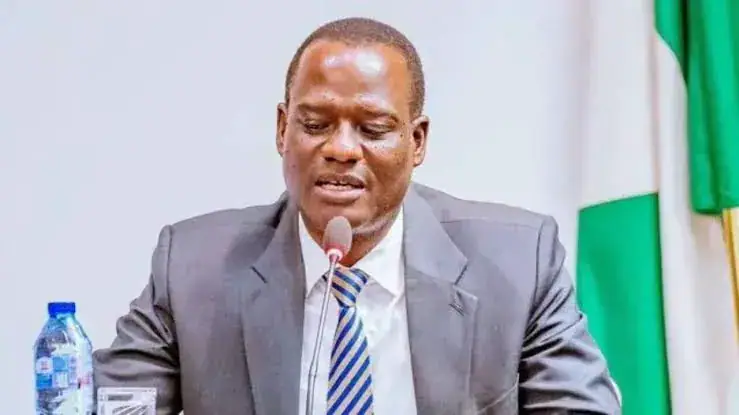
Nigeria's Minister of Finance and Coordinating Minister of the Economy, Taiwo Oyedele, has justified the proposed $21.7 billion external borrowing programme, amid criticisms. He stated that no nation can exist without borrowing and that the financing is intended to support productive investments, accelerate economic expansion, and improve living conditions. Oyedele emphasized that the government has been working to reduce inflation to a single-digit rate by the end of 2027.
Oyedele explained that the external borrowing request should be evaluated based on the productive assets it would generate, infrastructure it would deliver, and its contribution to sustainable economic growth. He described the proposed financing as an investment, not borrowing, intended to fund projects that would create productive assets and generate long-term economic value. The proposed financing package would fund priority development programmes across various sectors, including transportation, security, healthcare, and education.
The proposed external financing package, valued at approximately $21.7 billion, would be sourced from multilateral institutions, bilateral development partners, and other funding sources. About $10.6 billion would be directed towards transportation infrastructure, including strategic highway and railway projects. Oyedele disclosed that approximately $7.9 billion of the financing package would be sourced from multilateral and bilateral development institutions, with the World Bank accounting for a substantial portion.
The World Bank financing component of $5 billion would attract an average interest rate of approximately 2.1 percent, while certain facilities designated for social development programmes would carry rates of about two percent. Oyedele emphasized that the administration is prioritizing concessional financing arrangements to minimize borrowing costs and secure more sustainable repayment conditions. The proposed borrowing should be evaluated against the economic value of the projects to be delivered.
Oyedele reaffirmed the government's determination to achieve single-digit inflation by the end of 2027, citing recent improvements in price stability and other macroeconomic indicators. Headline inflation had moderated to 14.63 percent in September, compared with 20.98 percent during the corresponding period of the previous year. The Federal Executive Council agreed to strengthen ongoing interventions aimed at containing inflationary pressures, particularly rising food costs.
The country's external financial position has improved, with foreign exchange reserves exceeding $55 billion, representing their highest level in 18 years. Net reserves have increased to more than $45 billion from below $1 billion three years earlier. Economic growth reached 4.43 percent in the second quarter, compared with 2.74 percent in May 2023. Oyedele attributed improvements in government revenue to ongoing fiscal and tax reforms.
Nigeria's tax-to-GDP ratio has increased from approximately seven percent in 2023 to 12.5 percent by the end of 2025. The proportion of government revenue committed to debt servicing has declined significantly, from 97 percent to below 60 percent, providing greater fiscal flexibility for development expenditure. Oyedele's justification for the proposed borrowing aims to provide clarity on the government's plans for economic growth and development.
Key points
- The proposed $21.7 billion external borrowing programme is intended to support productive investments and accelerate economic expansion.
- The government aims to reduce inflation to a single-digit rate by the end of 2027.
- The proposed borrowing would fund priority development programmes across various sectors, including transportation, security, healthcare, and education.