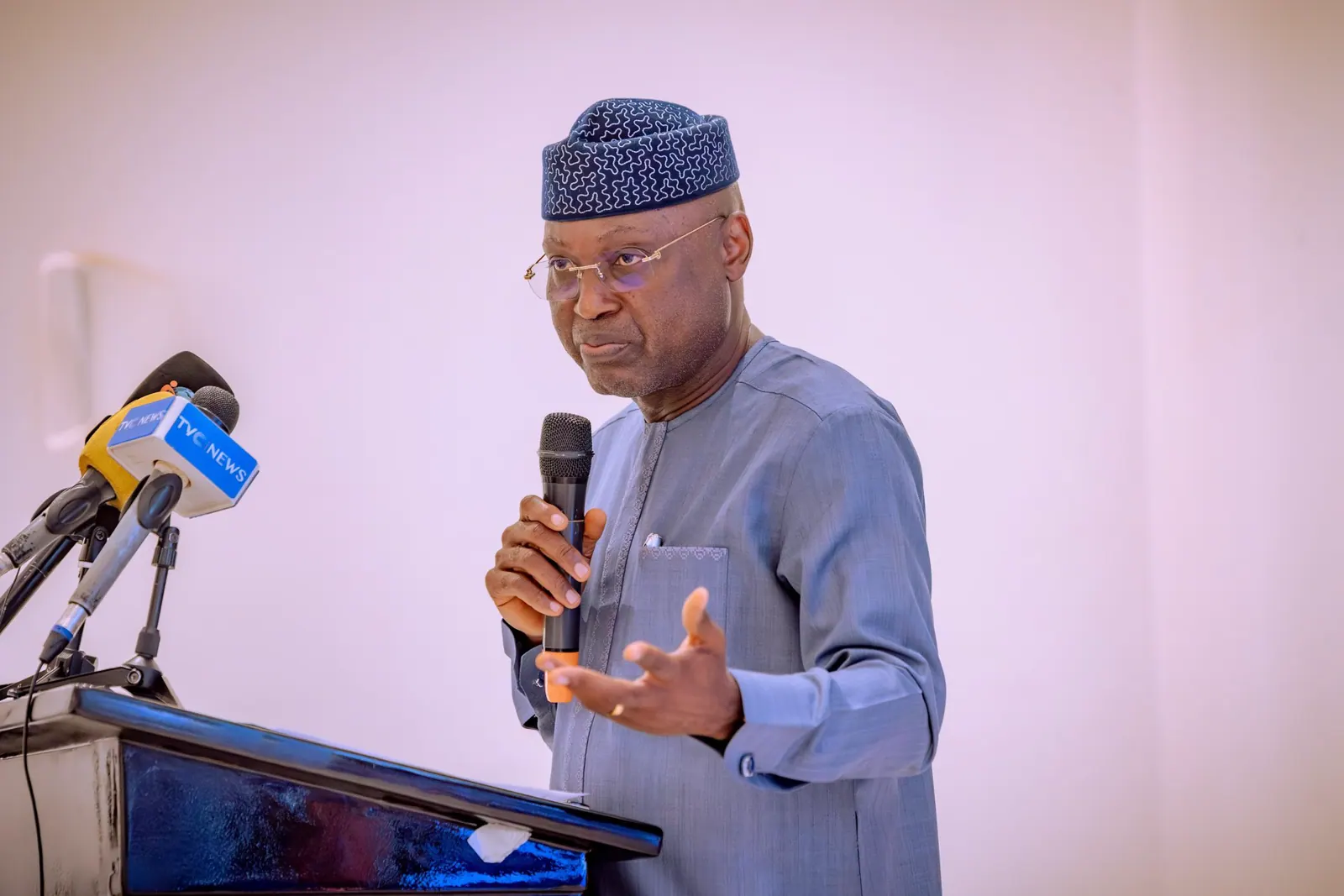
Ekiti State Governor Biodun Oyebanji has presented a proposed N490.74 billion budget for the 2027 fiscal year to the state House of Assembly. The budget, christened the ‘Budget of Sustained Progress and Prosperity,’ aims to consolidate his administration’s achievements and lay a foundation for the next four years. This proposal aligns with the state’s 30-year development plan covering the period from 2021 to 2051.
The budget comprises N275.68 billion for recurrent expenditure and N215.06 billion for capital expenditure. According to Oyebanji, the estimates will provide a framework for sustained development and improved living standards across the state. The budget focuses on six pillars of his administration: education and healthcare; good governance and transparency; arts, culture and tourism; youth and job creation; infrastructure and industrialisation; and agriculture and rural development.
Oyebanji stated that the proposal will consolidate gains recorded under his administration’s Shared Prosperity Agenda and strengthen ongoing programmes. The budget is expected to create opportunities for economic growth across the state. The governor’s proposal reflects his administration’s commitment to improving the lives of Ekiti residents.
Speaker of the House of Assembly, Adeoye Aribasoye, commended Oyebanji for presenting the proposed budget. Aribasoye noted that the proposal reflected the aspirations and needs of residents expressed during town hall engagements across the three senatorial districts. He assured that the assembly would subject the proposal to thorough legislative scrutiny before its passage.
The assembly will review the proposal focusing on constitutionality, revenue projections, stakeholder engagement, and equitable distribution of projects. Lawmakers will assess the balance between recurrent and capital expenditure and ensure equitable distribution of projects across the three senatorial districts and 16 local government areas. The assembly will also consider the 22 local council development areas in the state.
Aribasoye emphasized that the assembly’s scrutiny is not a contradiction but “constitutional democracy at work.” He stressed that lawmakers will cooperate with the executive where necessary and demand accountability where required. This process ensures that the budget serves the needs of Ekiti residents.
The presentation of the budget proposal marks a significant step in Ekiti State’s planning and development process. The assembly’s thorough review and passage of the budget will be crucial in determining the state’s priorities and resource allocation for the 2027 fiscal year. The budget’s implementation will be closely watched by residents and stakeholders.
Key points
- The budget focuses on six pillars: education and healthcare, good governance and transparency, arts, culture and tourism, youth and job creation, infrastructure and industrialisation, and agriculture and rural development.