Oxfam and its partners are leading a campaign to allocate 30% of Senegal's Local Development Fund (FADL) to projects that empower women economically and support girls' education in areas affected by mining. The campaign, launched in 2019, aims to ensure that mining benefits are shared more equitably among local communities, particularly women. According to Dalila Dosso, Oxfam's coordinator for the campaign, the initiative seeks to influence public policy and inform the revision of Senegal's mining code.
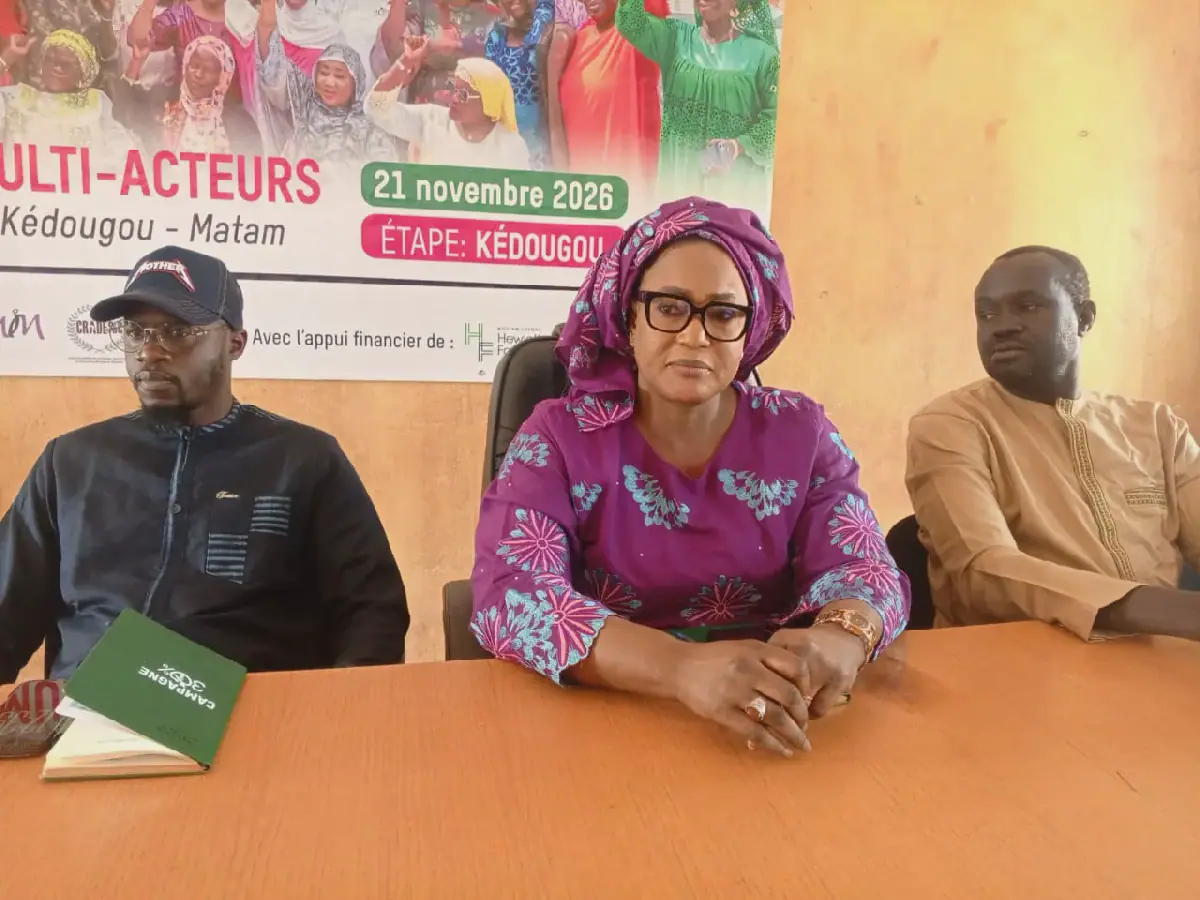
A recent dialogue session was held in Khossanto, in the Saraya department, to discuss the campaign and its goals. The event brought together various stakeholders, including local authorities, community members, and representatives from the national assembly. Babacar Ndiaye, a deputy and president of the national assembly's energy and mineral resources committee, reaffirmed his commitment to supporting the campaign. He emphasized the need for a more inclusive and equitable approach to mining revenue distribution.
The mayor of Khossanto, Mamady Cissokho, reported that his commune had allocated 86 million CFA francs from the FADL to support women's income-generating activities and provide equipment to alleviate their workload. This represents about 41% of the total FADL funds received by the commune, which amounted to 208 million CFA francs. Cissokho's example demonstrates the potential for local governments to prioritize women's empowerment and education in their allocation of FADL funds.
Kalidou Cissokho, director of the Kédougou Regional Development Agency (ARD), welcomed the campaign and emphasized the need to build the capacity of women to develop and implement structural projects. He also called for greater consideration of young boys, departments, and vulnerable populations in the allocation of FADL funds. Ousmane Niang, the focal point for the FADL, clarified that departments, like communes, are eligible to receive funds from the FADL.
The campaign "30 %" aims to address the disproportionate impact of mining on local communities, particularly women. By advocating for a greater share of mining revenues, Oxfam and its partners hope to promote more sustainable and equitable development in Senegal's mining areas. The initiative has garnered support from various stakeholders, including local authorities and community members.
The dialogue session in Khossanto is part of a broader effort to engage local communities and policymakers in the campaign. Oxfam and its partners plan to continue advocating for the allocation of 30% of FADL funds to support women's economic empowerment and girls' education. The campaign's success will depend on the continued engagement and support of various stakeholders, including local authorities, community members, and national policymakers.
The outcome of the campaign will be closely watched, as it has the potential to influence Senegal's mining code and the allocation of mining revenues. If successful, the campaign could serve as a model for similar initiatives in other countries with significant mining industries. Key stakeholders will need to work together to ensure that the campaign's goals are achieved and that the benefits of mining are shared more equitably among local communities.
Key points
- Oxfam and partners advocate for 30% of Senegal's Local Development Fund to support women's economic empowerment and girls' education in mining communities.