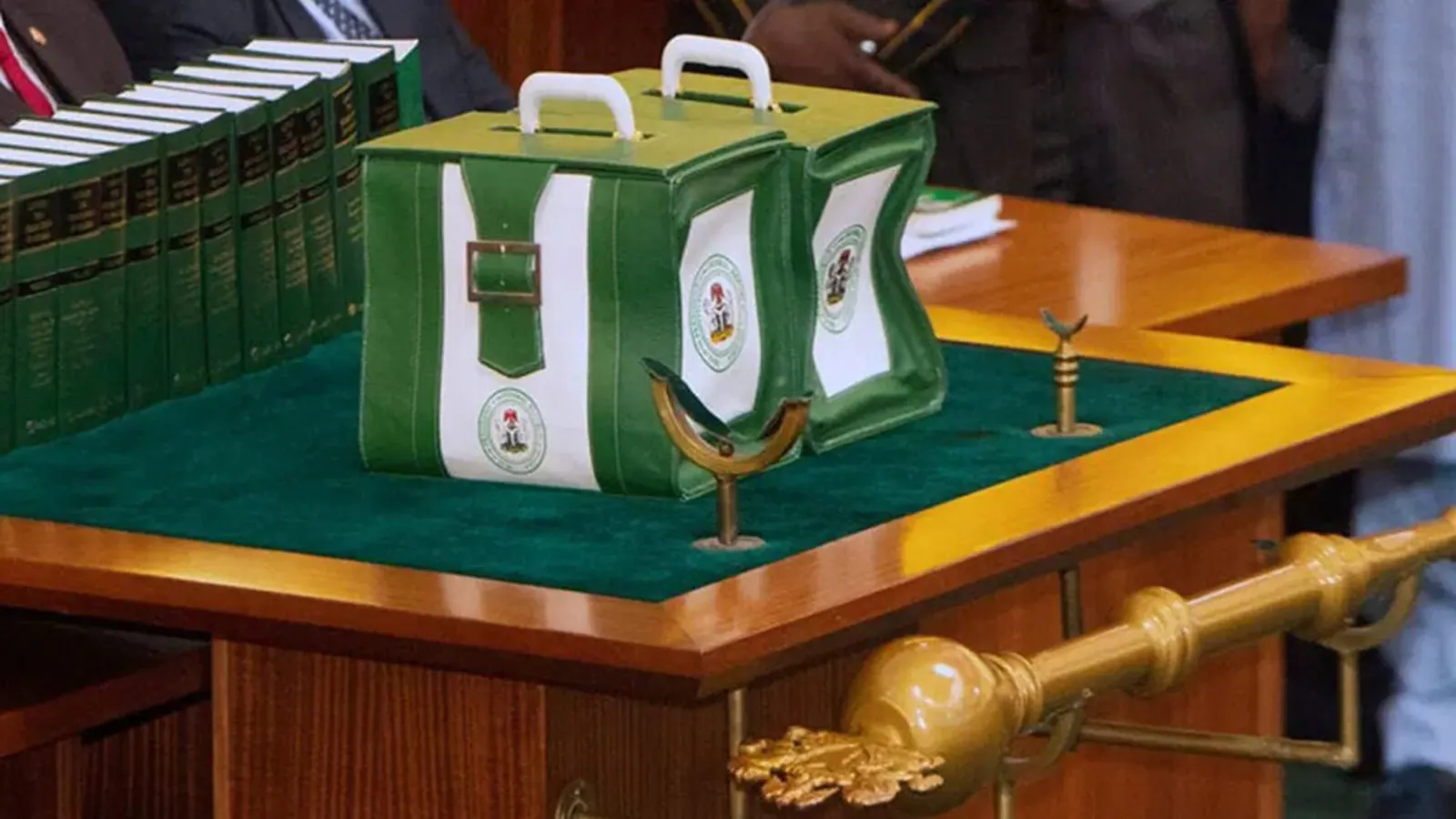
The Nigerian government's decision to extend the 2025 capital budget for the fourth time, until December 31, 2026, has sparked concerns over fiscal accountability and project delivery. This move allows ministries, departments, and agencies to complete ongoing projects and utilize already appropriated funds. However, experts warn that this extension may compromise fiscal accountability and weaken project monitoring and reporting.
The extension of the 2025 capital budget, originally set to end on December 31, 2025, has revived concerns about Nigeria's ability to implement annual budgets within approved timelines and deliver infrastructure projects. President Bola Tinubu had promised to move to a single budget and revenue cycle by March 31, 2026, with no overlaps or rollovers. However, the latest extension has raised questions about the government's commitment to fiscal reforms and actual budget execution.
According to the 2025 Third Quarter Budget Implementation Report by the Budget Office of the Federation, capital expenditure stood at only N3.1 trillion, about 17.7% of the projected N17.58 trillion, in the first nine months of the year. This left a shortfall of N14.48 trillion, consistent with recent historical trends. The Budget Office attributed the weak performance to limited resources and the bottom-up cash-release process.
Experts have warned that overlapping budgets make it harder to track appropriations, releases, and actual expenditure, while creating uncertainty for contractors, businesses, and investors dependent on government-funded infrastructure. Abiodun Ogunniyi, Head of Research and Strategy at GTI, noted that keeping budgets open across multiple fiscal years weakens accountability and makes it difficult to establish a clear link between appropriations, releases, expenditure, and completed projects.
Johnson Chukwu, Managing Director of Cowry Asset Management, said overlapping budgets had made it difficult to determine the level of implementation of individual appropriations and increased the risk of duplicated expenditure. Dr. Justin Amase, a development policy expert and Managing Director of Macrostrat Nigeria Limited, argued that running two active capital budgets signals serious weaknesses in public finance management and translates to a potential institutional crisis.
The practice of overlapping budgets has also raised concerns about the risk of delayed or abandoned projects. Professor of economics at Olabisi Onabanjo University, Sheriffdeen Tella, said overlapping budgets reflected weaknesses in fiscal policy execution and could undermine contractors and wider business confidence. He emphasized the need for the government to take budget implementation seriously to fulfill the President's promises.
The accountability challenge is compounded by delays in publishing budget implementation reports. Although the Fiscal Responsibility Act requires quarterly budget implementation reports, the delay in publishing these reports has raised concerns about transparency and accountability in budget execution. Key points include:
Key points
- The 2025 capital budget extension for the fourth time raises concerns over fiscal discipline and project delivery.
- Overlapping budgets weaken accountability and make it harder to track appropriations, releases, and actual expenditure.
- The practice of overlapping budgets signals serious weaknesses in public finance management and translates to a potential institutional crisis.