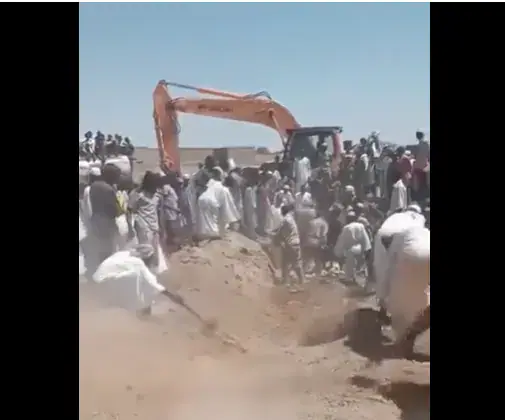
The Sudanese conflict has escalated with drone attacks by the Sudanese army and Rapid Support Forces, resulting in over 628 fatalities and widespread destruction. Within three weeks, 22 attacks have been reported across most states, crippling critical infrastructure. Seven power stations and several fuel stations have been disabled, exacerbating the humanitarian crisis. The attacks have predominantly targeted civilian areas and essential services.
According to Rasha Awoud, editor-in-chief of the Change newspaper, the recurrence of drone attacks in conflict zones poses a significant threat to civilian lives and service facilities. The deployment of jamming systems around military sites has redirected drone targets towards civilian infrastructure, leading to substantial human losses among innocent citizens at their workplaces and residences.
The situation in the regions of Kordofan and Darfur indicates a looming humanitarian disaster that could claim tens of thousands of lives. The reliance on drone warfare prolongs the conflict without achieving a decisive military victory, reducing the cost for warring parties at the expense of citizens who bear the brunt of the crisis.
The humanitarian crisis has severe implications, with civilians facing immense challenges. The attacks have caused significant disruptions, leaving many without access to basic necessities. The situation demands immediate attention and intervention to mitigate the effects of the conflict.
Rasha Awoud emphasized that the only way to protect civilians and end the humanitarian and economic crises is to immediately halt the war. The ongoing conflict has severe consequences for the present and future of Sudan, necessitating a swift resolution.
The international community has expressed concern over the escalating violence and its impact on civilians. Efforts to broker peace and negotiate a ceasefire have been underway, but a lasting solution remains elusive. The humanitarian situation continues to deteriorate, with civilians bearing the brunt of the conflict.
The Sudanese government and Rapid Support Forces must work towards a peaceful resolution to end the suffering of civilians. The international community must also play a role in facilitating dialogue and providing humanitarian assistance to affected areas. The conflict has caused immense human suffering, and a lasting solution is crucial to preventing further loss of life.
Key points
- Over 628 people killed in 22 drone attacks by Sudanese army and Rapid Support Forces within three weeks.
- Attacks have crippled critical infrastructure, including seven power stations and several fuel stations.
- The conflict poses a significant threat to civilian lives and service facilities, with a looming humanitarian disaster in Kordofan and Darfur.