A total of 53,415 adolescent girls in Ghana became pregnant in the first half of 2026, according to data released by the Ghana Health Service. This figure has raised concerns about the need for stronger efforts to protect young girls and improve their sexual and reproductive health. The data highlights a serious challenge that requires attention from parents, teachers, religious leaders, traditional authorities, and the government.
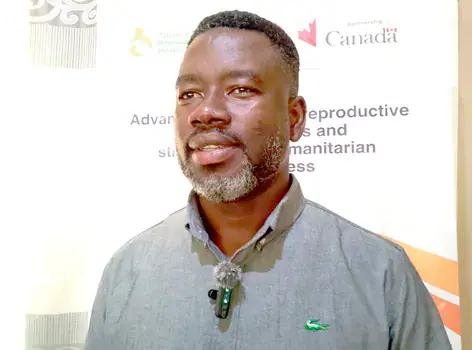
The Programme Manager of the Alliance for Reproductive Health Rights, Isaac Nyampong, said the country's annual teenage pregnancy rate of over 100,000 was unacceptable. He emphasized the need for collective action to address the issue. Nyampong was speaking during a training organised by ARHR, in collaboration with the United Nations Population Fund and Canada, for 20 selected journalists from the Bono and Bono East regions.
Nyampong identified violence against girls as one of the factors contributing to poor reproductive health outcomes and adolescent pregnancies. He stressed the need to educate girls about their rights, enabling them to recognise abuse, report incidents, and seek assistance. Additionally, he emphasized the importance of educating boys and men to respect girls and women and discourage abusive behaviour.
The lack of sex education and parental guidance are also significant factors contributing to adolescent pregnancies. Nyampong noted that some parents lacked the knowledge and skills to discuss reproductive health with their children. Cultural and religious sensitivities often made these discussions uncomfortable, leaving young people without necessary information to make informed decisions.
To address these challenges, Nyampong called for efforts to empower parents to communicate effectively with their children and provide age-appropriate reproductive health information. ARHR is working with the government and stakeholders to promote reproductive health education and encourage parents to play a more active role in protecting adolescents.
Nyampong urged religious leaders, chiefs, and queenmothers to support public education and encourage open discussions about adolescent health. He also stressed the need to address underlying social and cultural factors that made discussions about reproductive health difficult. Providing young people with accurate information and access to reproductive health education and services is crucial.
The training aims to equip journalists with the knowledge and skills to report on sexual and reproductive health and rights accurately and sensitively. Nyampong believes that accurate and sensitive reporting can help communities understand adolescent health challenges and encourage informed discussions about possible solutions.
Key points
- The Ghana Health Service reports 53,415 adolescent pregnancies in the first half of 2026.
- Violence against girls and lack of sex education are major contributors to adolescent pregnancies.
- Advocates call for collective action, including parental guidance and community involvement, to address the issue.
Reporting sources
- Daily Graphic · Daily Graphic