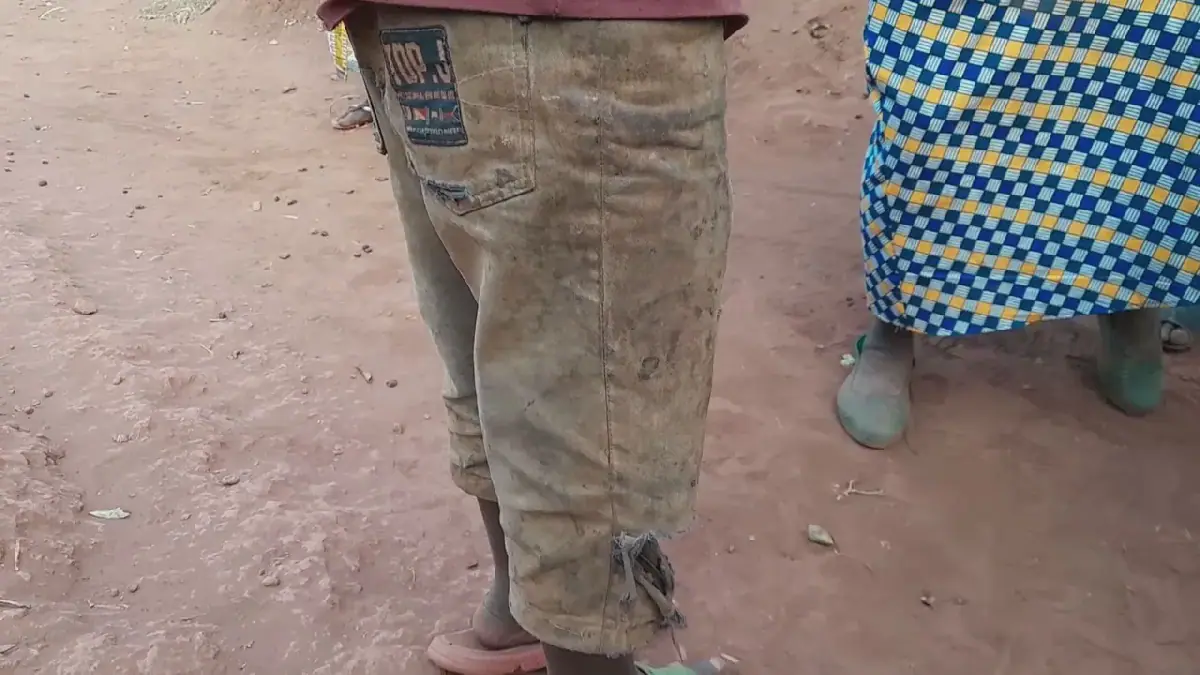
In the past 10 months, approximately 50,000 people from Rwanda's Nyamagabe district have sought medical attention for waterborne diseases, according to Dr. Jean Marie Vianney Kagimbangabo, the Chief Executive Officer of Kigeme Hospital. The diseases include those affecting the stomach, intestinal worms, and diarrhea. This was announced during the celebration of the International Day of Sanitation. The district's administration is urging residents to improve their hygiene and sanitation to prevent further outbreaks.
The administration emphasizes the importance of having proper sanitation facilities, including toilets that meet required standards. Many residents in Nyamagabe lack access to such facilities or face challenges in constructing them. Chantal Mukamana, a resident of Cyanika Sector, shared her experience of having a poorly constructed toilet that allowed rainwater to enter, creating unsanitary conditions. She believes this may have contributed to the spread of waterborne diseases in her community.
According to Thaddée Habimana, the District Mayor of Nyamagabe, 8.8% of the district's population has toilets that do not meet the required standards, while nearly 1% of residents engage in open defecation. He cites a lack of awareness and financial constraints as major obstacles to improving sanitation. Habimana encourages residents to change their mindset and prioritize sanitation as a daily habit.
To address the issue, the district administration has been working to construct new toilets and improve existing ones. Between 2023 and 2026, 2,100 new toilets were built, and 3,000 others were renovated. Additionally, with the help of Rwanda WaterAid, 1,000 vulnerable families were provided with toilet facilities, including 386 in Cyanika Sector. Another 170 families received materials to upgrade their existing toilets.
Dr. Kagimbangabo stresses the importance of proper hygiene practices, such as washing hands with clean water and soap, and avoiding consuming uninspected pork. The district administration is working to raise awareness about the importance of sanitation and hygiene in preventing waterborne diseases.
Residents are urged to take responsibility for maintaining proper sanitation and hygiene in their communities. The district administration plans to continue working with residents and partners to improve sanitation facilities and promote healthy practices. By doing so, they aim to reduce the incidence of waterborne diseases in Nyamagabe.
The efforts to improve sanitation in Nyamagabe are ongoing, with a focus on promoting behavioral change and providing support to vulnerable communities. By prioritizing sanitation and hygiene, residents can help prevent waterborne diseases and improve their overall health and well-being.
Key points
- Over 50,000 people in Nyamagabe have been affected by waterborne diseases in the past 10 months.
- The district administration is working to improve sanitation facilities and promote hygiene practices to prevent further outbreaks.
- Residents are urged to prioritize sanitation and hygiene to prevent waterborne diseases.