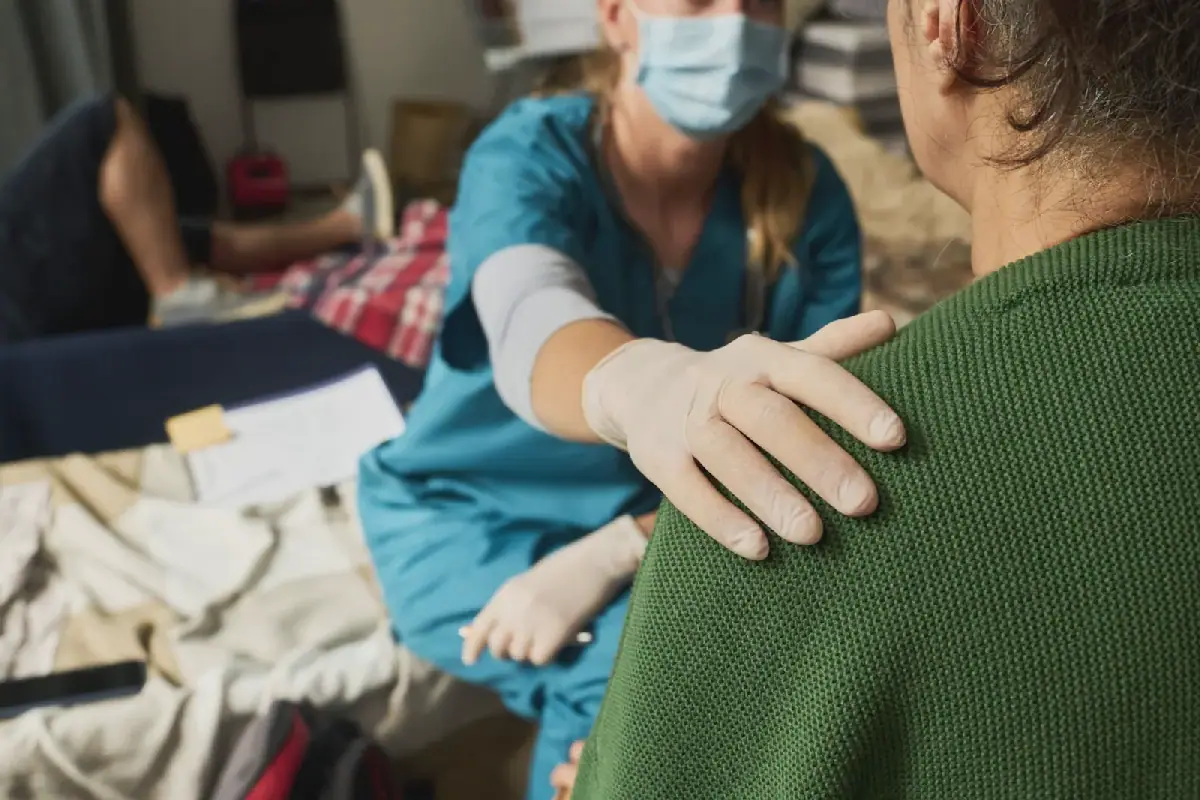
A recent study by the Portuguese Medical Association, titled "Portrait of Health in Portugal Post-Pandemic: Perceptions, Access to Care, and One Health," has revealed that over 40% of informal caregivers in Portugal have not experienced any benefits from the Informal Caregiver Statute introduced in 2019. The statute aimed to provide support to informal caregivers, but the study found that it has not improved the mental health or income of a significant number of caregivers.
The study, conducted by the Institute of Hygiene and Tropical Medicine at the Universidade NOVA de Lisboa, involved 700 telephone interviews with adults living in mainland Portugal and the autonomous regions. It found that 14.7% of respondents regularly care for someone with prolonged health problems. Among these caregivers, 34% dedicate 20 or more hours per week to caregiving. The study also highlighted that caregiving responsibilities often fall on women and can have a significant impact on their mental and financial well-being.
Tiago Correia, the scientific coordinator of the study, emphasized that the findings are concerning, particularly given the crucial role informal caregivers play in Portuguese society. He pointed out that the healthcare systems in Europe rely heavily on informal care, which can be a significant burden on caregivers. Correia suggested that three key issues need to be addressed: whether the statute is being properly implemented, whether the current support measures are sufficient, and whether the model of informal care needs to be rethought.
The study's results showed that almost half of the informal caregivers surveyed consider themselves to be in a difficult situation, both mentally and financially. Correia noted that the current model of informal care can have significant costs for caregivers, including high levels of psychological pressure and financial strain, as they often have to give up their autonomy and participation in the labor market.
The Portuguese Medical Association's initiative, "A Path for Health," aims to prepare the Portuguese healthcare system for the next few decades through an open reflection on the needs of the population, supported by scientific information. The association's president, Carlos Cortes, stated that the project brings together the perspectives of the population, doctors, and medical students to identify needs and develop concrete proposals for change.
According to Carlos Cortes, the initiative seeks to define the type of care the population will need in the future, the professionals Portugal should train, and how healthcare services should be organized to provide timely, quality, and safe responses. The goal is to put the future of healthcare on the country's agenda and build lasting commitments to protect those in need of care today and future generations.
The study's findings and recommendations will contribute to the necessary deep reform of the National Health Service, Cortes emphasized. The Medical Association hopes that the study will help to promote a more sustainable and equitable healthcare system in Portugal.
Key points
- Over 40% of informal caregivers in Portugal report no improvement in mental health or income since the introduction of the Informal Caregiver Statute in 2019.
- The study involved 700 telephone interviews with adults living in mainland Portugal and the autonomous regions.
- The Informal Caregiver Statute was introduced in 2019 to provide support to informal caregivers, but its effectiveness has been questioned by the recent study.
Reporting sources
- Mais de 40% dos cuidadores informais não sentem benefícios do estatuto · RecordTV Cabo Verde