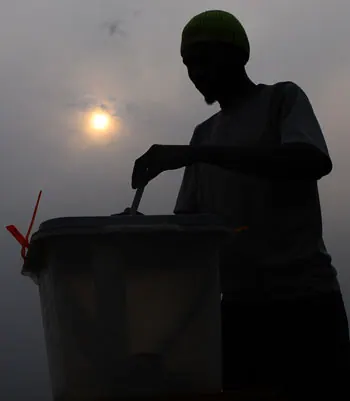
Ugandans cast their ballots months ago, but the final outcome of hundreds of electoral contests is now being determined in court. A total of 346 challenges arising from the 2026 parliamentary and Local Council elections have been filed, leaving candidates fighting over declared results and voters waiting to know whether their representatives will remain in office. The scale of the exercise is huge, with the Judiciary assigning 100 judicial officers to handle the cases.
The disputes are spread across 30 High court stations, the High court civil division, and 26 Chief Magistrates’ courts. 48 High court judges will handle 157 petitions, while 52 chief magistrates will hear another 189. Counsel Benson Ogwang explained that an election petition may be brought where the electoral process allegedly failed to comply with applicable law. He noted that if the election process was not conducted in accordance with the electoral acts, it can be challenged.
The precise grounds and procedures for challenging an election depend on the type of election being contested. In parliamentary election petitions, disputes may concern compliance with electoral laws, whether any noncompliance affected the result, or whether a candidate was qualified to be elected. However, an allegation is not a finding, and the petitioner must produce evidence to support their claims before court. Some petitions may concern what happened during polling, counting, or tallying, while others may question the legality of electoral decisions.
The existence of 346 petitions does not necessarily mean that 346 elections were improperly conducted. Each dispute must stand or fall on its own facts, evidence, and applicable law. Ogwang believes that even the large number of petitions may not capture the full extent of dissatisfaction with election results. He noted that there are many people who would like to file petitions but are not sure whether things will turn out in their favour.
Filing an election petition does not automatically remove the declared winner. The court must first hear the evidence and legal arguments. If the petitioner fails to establish their case, the court may dismiss the petition, and the declared result may remain unchanged. Where the requirements of the applicable law are met, however, a court may set aside an election, declare another candidate duly elected, or order a fresh election.
The disputes are scattered across the country and arise from different electoral contests. In Oyam South, Queen Dorothy Amolo challenged the election of Ogwang Obura, amid reports alleging a ballot mix-up. In Kalungu, Helen Nakeeya challenged Aisha Sekindi’s election. The caseload is also unevenly distributed, with Masaka recording 21 High court petitions, and Makindye, Kawempe, Nabweru, Mengo, and Kira having a significant number of petitions at Chief Magistrates’ court level.
The Judiciary has created a special programme to deal with the cases, placing election petitions ahead of ordinary judicial assignments during the hearing period. In Kampala, 20 petitions were listed on the first day, with 17 scheduled for pre-trial proceedings. The ultimate decisions will depend on the evidence and legal arguments in individual cases, not on how many petitions were filed in a constituency, district, or court circuit.
Key points
- The courts will determine whether the challenged election results can withstand legal scrutiny.
- A total of 346 petitions have been filed across Uganda, challenging the 2026 parliamentary and Local Council elections.
- The Judiciary has assigned 100 judicial officers to handle the cases, with 48 High court judges and 52 chief magistrates hearing the petitions.