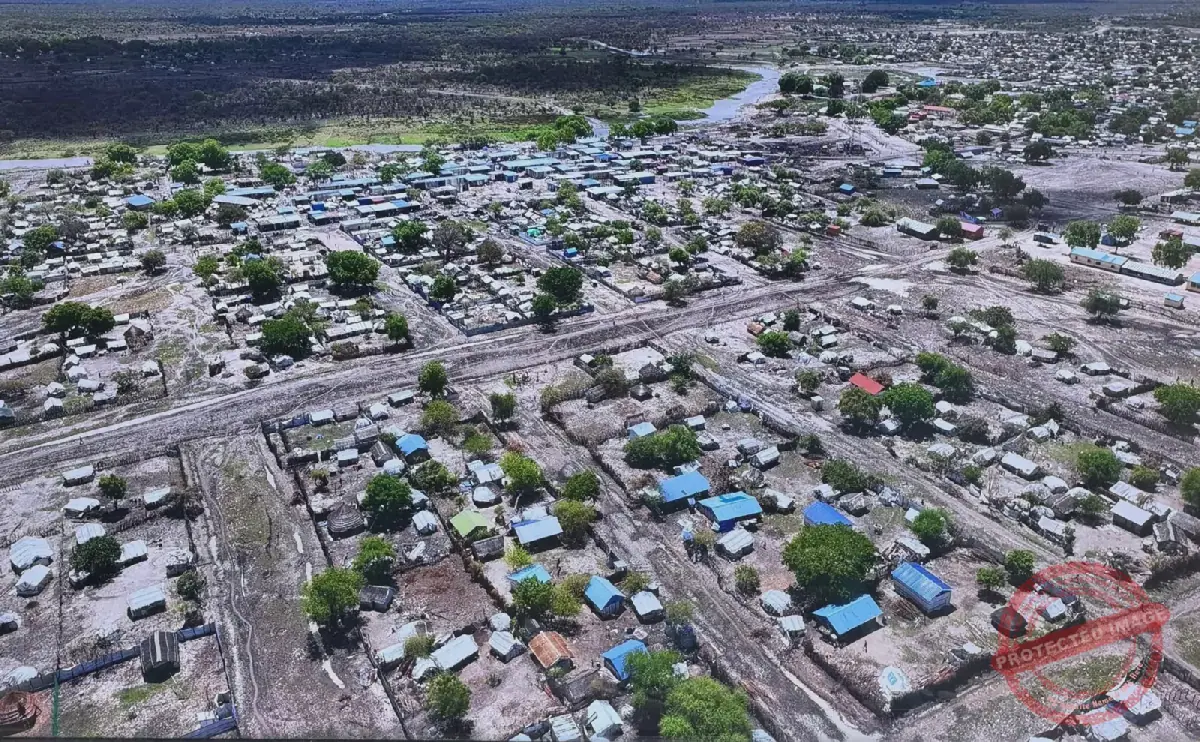
The Greater Pibor Administrative Area is experiencing severe food insecurity, with over 320,000 people affected by a prolonged dry spell that has damaged farms and worsened food shortages. The dry spell, linked to changing weather patterns caused by El Niño and climate change, has had a devastating impact on agricultural production in the region. Local authorities have expressed concern over the situation, highlighting the need for urgent assistance.
According to the Caretaker Minister of Information and Communication for Greater Pibor, Jacob Werchum Juok, women, children, and elderly people account for about 60 percent of those affected by the food insecurity. The minister emphasized that the situation is dire and requires immediate attention from the national government, humanitarian agencies, development partners, and international donors. He stressed that urgent assistance is needed to prevent further deterioration of the situation.
Minister Werchum appealed for emergency humanitarian assistance, including food relief, emergency borehole rehabilitation, and drilling in the most affected areas. He also called for urgent assessments and interventions to rescue the most affected families and improve food availability across all seven counties of Greater Pibor. Additionally, he requested nutrition support for children and pregnant women, rehabilitation and drilling of boreholes, and essential healthcare services.
The minister's appeal highlights the severity of the situation and the need for coordinated efforts to address the crisis. The national government, humanitarian agencies, development partners, and international donors are urged to provide urgent assistance to mitigate the effects of the dry spell and food insecurity. The situation in Greater Pibor requires immediate attention to prevent further humanitarian crisis.
The affected population is spread across the seven counties of Greater Pibor Administrative Area. The local assessment that led to the identification of 320,000 individuals facing food insecurity was conducted by local authorities. The assessment revealed that the prolonged dry spell has had a significant impact on agricultural production, leading to food shortages.
Humanitarian partners are urged to conduct urgent assessments and provide assistance to vulnerable communities across the region. The minister emphasized that the situation requires a coordinated response to address the various needs of the affected population, including food, water, healthcare, and nutrition. The response efforts should prioritize the most affected families and aim to improve food availability and accessibility.
The crisis in Greater Pibor highlights the vulnerability of communities to climate-related shocks and the need for proactive measures to mitigate their impact. The situation underscores the importance of addressing the root causes of food insecurity and building resilience in communities to prevent similar crises in the future.
Key points
- Over 320,000 people in Greater Pibor face food insecurity due to a prolonged dry spell.
- Women, children, and elderly people account for about 60 percent of those affected.
- Urgent humanitarian assistance, including food relief and emergency borehole rehabilitation, is needed to mitigate the crisis.