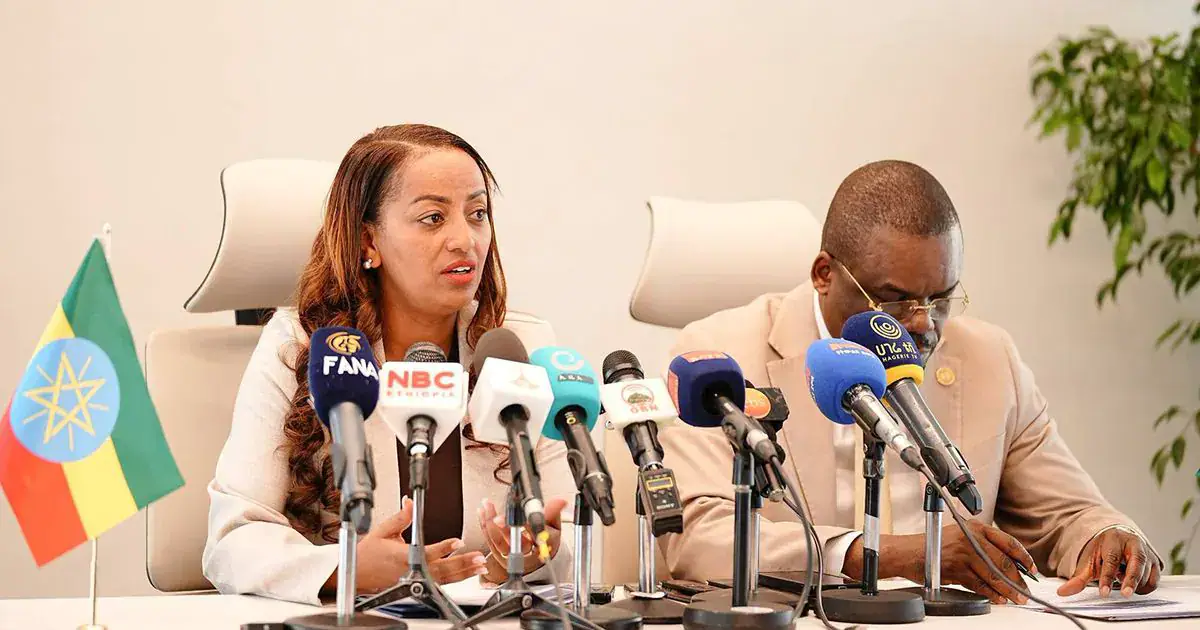
The Ethiopian government and the Africa Centres for Disease Control and Prevention (Africa CDC) are co-hosting the fifth International Conference on Public Health in Africa (CPHIA 2026) in Addis Ababa from November 23-27, 2026. The conference will bring together over 30,000 registered delegates from more than 114 countries, featuring 178 sessions across 19 halls, over 1,000 scientific research presentations, and more than 70 industry exhibitions.
CPHIA 2026 is the continent's flagship annual forum connecting presidents, health ministers, frontline doctors, biomedical researchers, and pharmaceutical investors. The conference theme, "Africa's Health Security and Sovereignty: Transformation from Health Dependency and Vulnerability to Ownership and Resilience," reflects an urgent economic and medical reality. Africa carries roughly 25 percent of the world's disease burden but produces only about 3 percent of global health research and still imports the vast majority of its vaccines, essential medicines, and diagnostic kits.
The conference aims to help Africa move away from donor dependency toward domestic ownership. For Ethiopia, hosting the conference is an opportunity to showcase its 2030 Digital Health Strategy and local pharmaceutical manufacturing parks, while building regional hospital partnerships to curb the billions of dollars African patients spend each year traveling abroad for specialist medical care.
The five-day main schedule is structured to produce concrete policy, diplomatic, and business outcomes. The high-level opening on November 23 will feature Ethiopian Prime Minister Abiy Ahmed, Health Minister Dr. Mekdes Daba, Africa CDC Director-General Dr. Jean Kaseya, and African Union Commission Chairperson Mahmoud Ali Youssouf. Later that afternoon, African health ministers will hold a high-stakes Ministerial Dialogue with seven declared candidates vying to become the next Director-General of the World Health Organization (WHO).
Mid-week sessions will focus on financing local drug factories and healthy cities. African governments will discuss combining national budgets into pooled continental procurement so local pharmaceutical plants can profitably manufacture vaccines, malaria treatments, and diagnostics. An African Cities and Mayors' Forum will examine how cleaner water systems, waste management, and green urban corridors can directly cut infectious and chronic diseases.
The final two days of the conference will focus on deploying digital health tools and artificial intelligence in rural primary-care clinics while protecting African patient data sovereignty. Plenary sessions will also tackle how rising heat and extreme weather are changing disease outbreaks, laying early groundwork ahead of Addis Ababa hosting the COP32 UN Climate Summit in November 2027.
For Addis Ababa, welcoming over 30,000 international guests is both a major logistical showcase and an immediate revenue boost for Ethiopian Airlines, local hotels, and hospitality businesses. The conference is designed to deliver a practical safeguard: ensuring that the next time a global health emergency strikes, Africa has the local factories, trained medical staff, and domestic financing ready to protect its own citizens without waiting at the back of the global supply line.
Key points
- The conference aims to help Africa move away from donor dependency toward domestic ownership of health systems.
- The event will feature over 30,000 registered delegates from more than 114 countries.
- The conference theme is "Africa's Health Security and Sovereignty: Transformation from Health Dependency and Vulnerability to Ownership and Resilience."