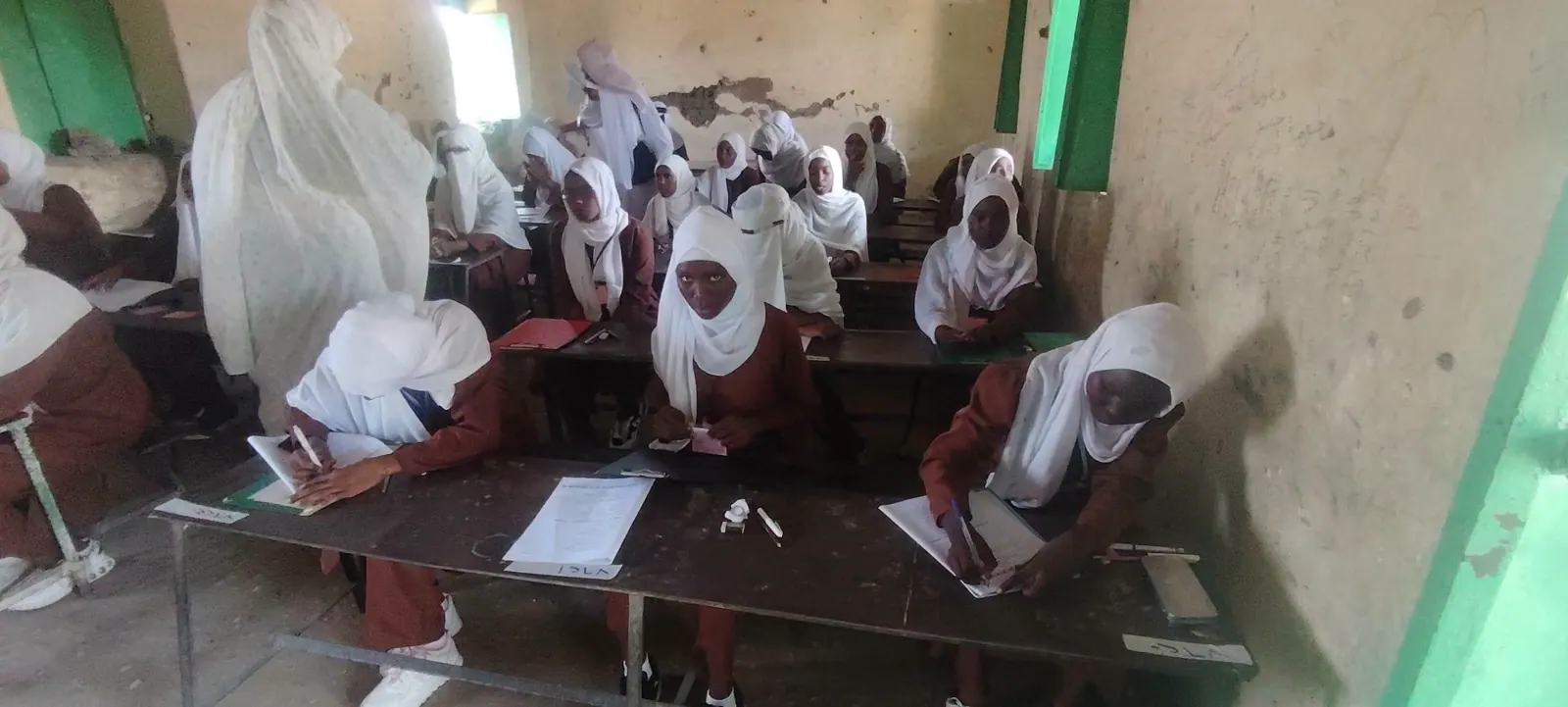
The Ministry of Education in Sudan's White Nile state has implemented a decision to bar around 3,000 students from taking the intermediate exams, which concluded on Thursday. The exams, which started on September 27, were held for five days. According to reports, the students were prevented from taking the exams due to new regulations, causing frustration among parents and teachers.
The decision has caused significant distress among students and their families, as they had prepared for the exams throughout the academic year. A teacher, who wished to remain anonymous, stated that the decision was a shock to the students, many of whom had mentally prepared themselves for the exams and the transition to a new academic stage.
The new regulations were introduced to organize the sitting of intermediate exams, taking into account the disrupted academic path of many students due to the war and displacement. According to the regulations, students who failed their primary school exams in 2023 were not allowed to sit for the intermediate exams in 2026.
The Ministry of Education in White Nile state decided not to allow students who failed their primary school exams in 2023 to sit for the intermediate exams in 2026, but allowed them to sit for the primary school exams in 2026 and then move on to the intermediate exams in 2027 after passing and meeting the required documents.
The decision has had significant psychological and financial impacts on families, with many having sacrificed other needs and commitments to provide for their children's education. A parent of one of the affected students expressed frustration, stating that the family had not received early notification from the school about the possibility of not being allowed to sit for the exams.
Parents and teachers are calling on the relevant authorities to review the implications of the decision and consider finding solutions for the affected students. They also emphasize the need for stricter control over the admission procedures in private schools and for families to be informed from the beginning of the academic year about any regulations that may prevent their children from sitting for exams.
The Ministry of Education in White Nile state has implemented the decision without exceptions, affecting students who were enrolled in private schools and had paid their tuition fees before the decision was made. The incident has raised concerns about the impact on the students' academic future and the need for a review of the regulations.
Key points
- Over 3,000 students in Sudan's White Nile state were barred from taking intermediate exams due to new regulations.
- The decision was made to organize the sitting of intermediate exams, taking into account the disrupted academic path of many students due to the war and displacement.
- Parents and teachers are calling for a review of the decision and consideration of solutions for the affected students.