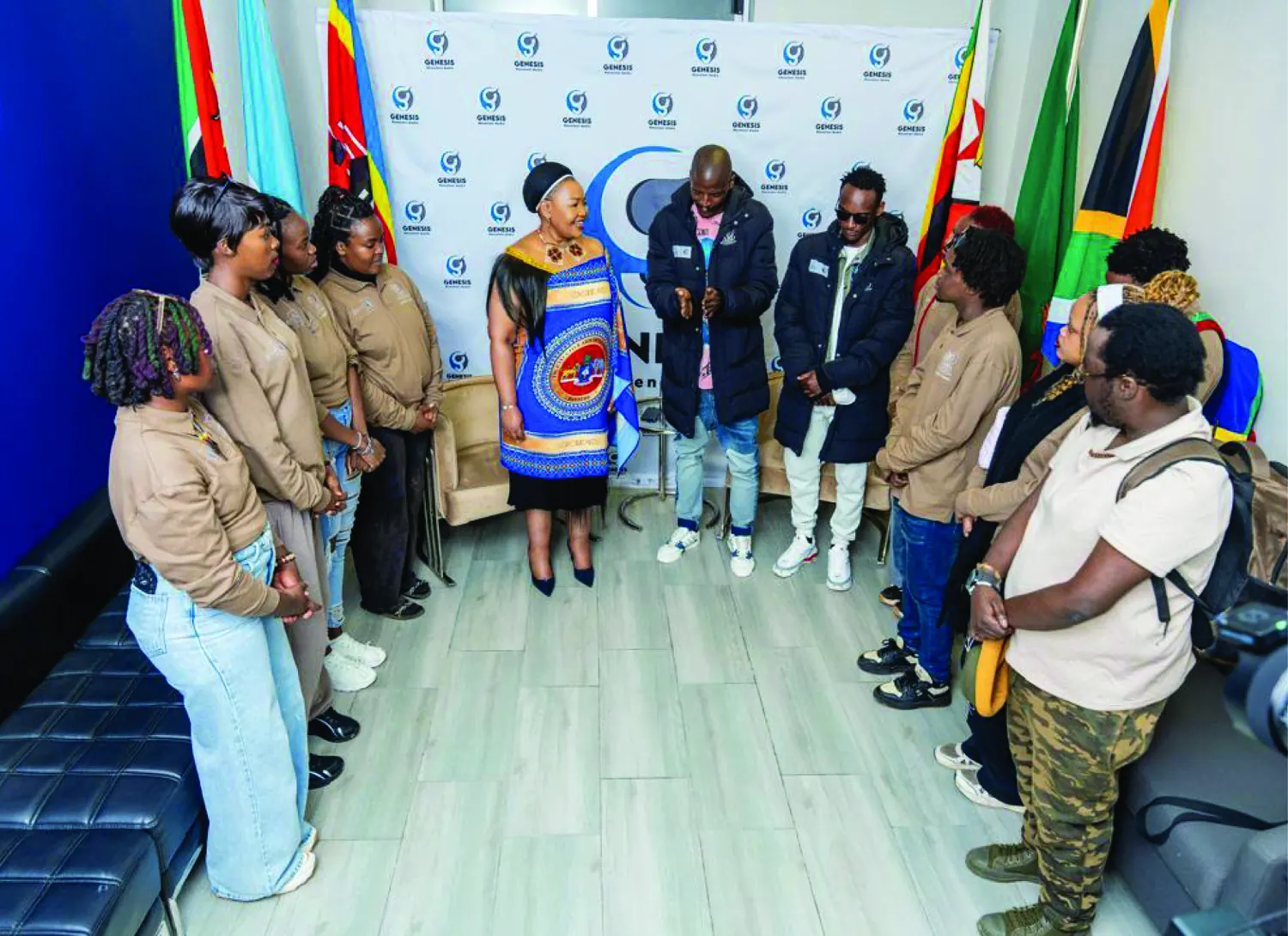
The October International Theatre Festival (OITF) in Eswatini recently brought together over 150 regional artists for a series of masterclasses and performances. The artists, hailing from South Africa, Mozambique, Zimbabwe, and Botswana, converged in Mbabane to share skills and knowledge in various areas of the performing arts. The masterclasses, which started on Thursday, covered topics such as acting, theatre, writing, dance, and production.
The festival featured facilitators from South Africa, including Hamilton Dlamini and Keamokegetswe Malefo, who led the masterclasses. Minister of Foreign Affairs and International Cooperation Pholile Shakantu welcomed the artists, highlighting the value of cultural exchange and its role in promoting diplomacy. Shakantu emphasized that the exchange offers local creatives an opportunity to develop their technical skills and learn from artists across the region.
The visiting artists presented performances at the Eswatini Theatre Club, adding live work to the festival programme. Shakantu appreciated the governments of South Africa, Botswana, and Mozambique for facilitating the artists' visit. She also acknowledged the United States (US) Embassy in Eswatini, Alliance Française, Eswatini Theatre Club, and Youini Loku Gallery for providing venues for the masterclasses.
The OITF workshops highlighted funding as a major challenge for local creatives. Discussions focused on challenges faced when developing creative projects, with finance repeatedly emerging as a key concern. South African film director and arts administrator Mongezi Mabunda led the producers' workshop, finding that participants shared similar concerns to those experienced by practitioners elsewhere.
Mabunda called for greater support for creative talent in the kingdom, saying investment could help local artists reach bigger platforms. The workshops offered more than technical lessons, providing a space for creatives to gain new views and examine their work from different angles. Siko Zwane, a participant, found the discussions useful, appreciating OITF for creating a space where practitioners could exchange ideas.
The festival's showcase featured various performances, including Stevovo, a South African puppetry production that blended live theatre with puppets to tell a story of an unemployed man from Tembisa. The production tackled real-life issues, including financial pressure and the challenges of pursuing an artistic dream. The showcase also included VOW-Voices of Women, a production that focused on women and children who have lost their lives to gender-based violence.
The OITF has provided a platform for local artists to learn from experienced practitioners and share challenges from their own creative journeys. Government hopes the skills gained through such exchanges will contribute to stronger local productions. The festival also comes as the kingdom develops new spaces for major performances, including the new ICC Theatre, officially opened by His Majesty King Mswati III.
Key points
- The OITF brought together over 150 regional artists for masterclasses and performances.
- The festival highlighted funding as a major challenge for local creatives.
- The programme created opportunities for knowledge sharing and exposed common barriers to production.