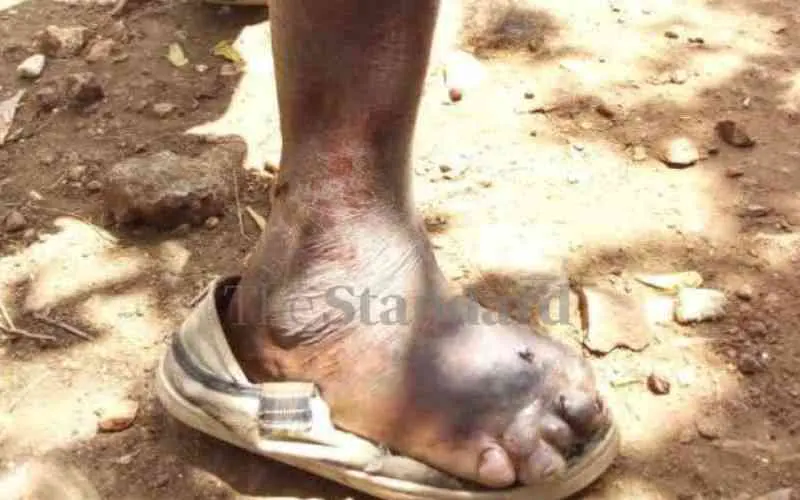
The Kenyan government has highlighted the significant burden of snakebites on the country's healthcare system, with over 1,000 people losing their lives to snakebites annually. Many of those affected live in rural areas and pastoral communities, where access to healthcare and antivenom can be limited. Children are also disproportionately affected by snakebites.
According to Health Principal Secretary Mary Muthoni, Kenya has seen over 19,000 cases of snakebites reported, with Baringo County leading in the number of cases. The Ministry of Health is taking steps to address the issue, including strengthening surveillance and integrating mandatory snakebite case reporting into the Kenya Health Information System.
The Ministry of Health has also trained over 5,000 Community Health Promoters across snakebite-endemic counties to identify households at risk, deliver prevention messages, administer correct first aid, report cases, and facilitate timely referral to health facilities. This effort aims to reduce the time between a snakebite and access to appropriate care.
The government has completed county-level mapping of snakebite hotspots, which will guide targeted distribution of antivenom and strengthen emergency response in high-burden counties. Additionally, the Kenya Institute of Primate Research is working on developing Kenya's first domestically produced antivenom using venom profiles from locally relevant snake species.
A National Antivenom Quality Control Laboratory is being established at the Kenya Institute of Primate Research to strengthen quality assurance and antivenom efficacy standards. The Ministry of Health is also integrating snakebite surveillance into mass drug administration campaigns to strengthen community-level data collection and surveillance.
Kenya is playing a leading role in keeping snakebite on the global health agenda, co-chairing the Global Snakebite Taskforce and leading a Member State side event at the 78th World Health Assembly in Geneva. The country is working to raise awareness about snakebite prevention and treatment, with a focus on the "Know It, Respect It, Survive It" theme.
The government is urging Kenyans, particularly those living in snakebite-risk areas, to remember three simple but life-saving messages: Prevent, Act Right, and Seek Care Early. By taking these steps, the government hopes to reduce the number of snakebite-related deaths and disabilities in the country.
Key points
- Baringo County has been identified as one of Kenya's highest-burden counties for snakebite envenoming.
- The Ministry of Health has trained over 5,000 Community Health Promoters to address snakebite prevention and treatment.
- Kenya is working to develop its first domestically produced antivenom using venom profiles from locally relevant snake species.