Eswatini is in need of modernising its land laws and closing administrative gaps to prevent unplanned settlements as towns and surrounding communities expand. The country's urban population is projected to reach 35% by 2050, with an annual urbanisation rate of 2.7%. This relatively gradual pace of urbanisation provides an opportunity for proper planning, but only if longstanding land governance challenges are addressed.
A major obstacle to effective land administration in Eswatini is the fragmented system, with different legal systems and land tenure arrangements in place. According to UN Resident Coordinator George Wachira, these need to be better integrated. He called for a comprehensive framework to coordinate land administration, improve spatial planning, and prevent conflicts over land use.
The country's planning framework also requires modernisation, with urban development still guided by legislation from the 1961 Town Planning Act. Wachira noted that urban growth is concentrated along the Mbabane-Manzini corridor, with settlements spreading into peri-urban areas and Swati National Land. If not managed properly, this expansion could lead to informal settlements.
Globally, about 1.1 billion people live in unplanned conditions. To prevent similar challenges, Wachira recommended revising the National Land Policy to guide development around towns, completing national planning frameworks, and upgrading existing settlements through legal tenure arrangements, such as 99-year leases.
Municipal financial constraints also affect physical planning and living standards, making improved revenue collection essential for infrastructure development. Reliable land data and clear institutional responsibilities are equally important for implementing spatial plans.
Wachira commended the ongoing revision of the National Land Policy, the Ministry of Housing and Urban Development's Strategic Plan for 2025-2030, and the Gwamile Voctim Eco-City initiative in Sidvokodvo, undertaken with UN-Habitat. These efforts aim to address the country's land governance challenges and promote sustainable urban development.
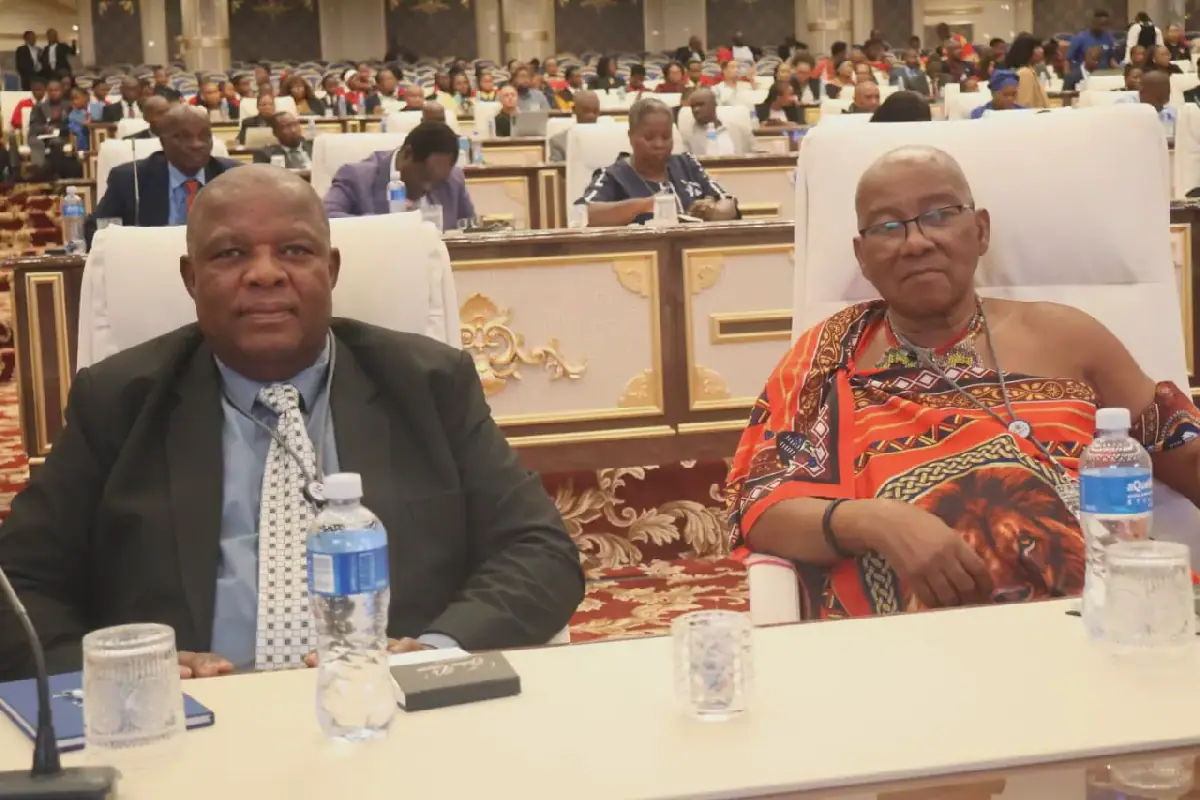
The second Eswatini Urban Forum, held at Ezulwini Palazzo, brought together stakeholders to discuss the country's urbanisation challenges and opportunities. The forum provided a platform for Wachira to share his insights and recommendations for addressing the country's land governance challenges and promoting sustainable urban development.
Key points
- Eswatini's urban population is projected to reach 35% by 2050.
- The country's land laws and administration need modernisation and integration.
- Improved revenue collection and reliable land data are essential for infrastructure development and implementing spatial plans.